
Indian Air Force Modernisation: 5 Big Projects Facing Air Marshal Ashutosh Dixit
Tejas To AMCA: The Challenges Shaping India’s Air Power.
 IN
Mon, Oct 12, 2026 | 01:06 PM IST
IN
Mon, Oct 12, 2026 | 01:06 PM IST


What happens when a country needs more fighter jets, but some of its biggest aircraft programmes are running behind schedule? That is the challenge facing India as Air Marshal Ashutosh Dixit prepares to take charge of the country's air force leadership.
From delayed Tejas deliveries and the proposed purchase of 114 Rafale fighters to India's ambitious stealth aircraft programme, the coming years could shape the future of Indian military aviation. The challenge is not simply to acquire more aircraft. It is to get them ready for service while building the technology and manufacturing capabilities needed for the future.
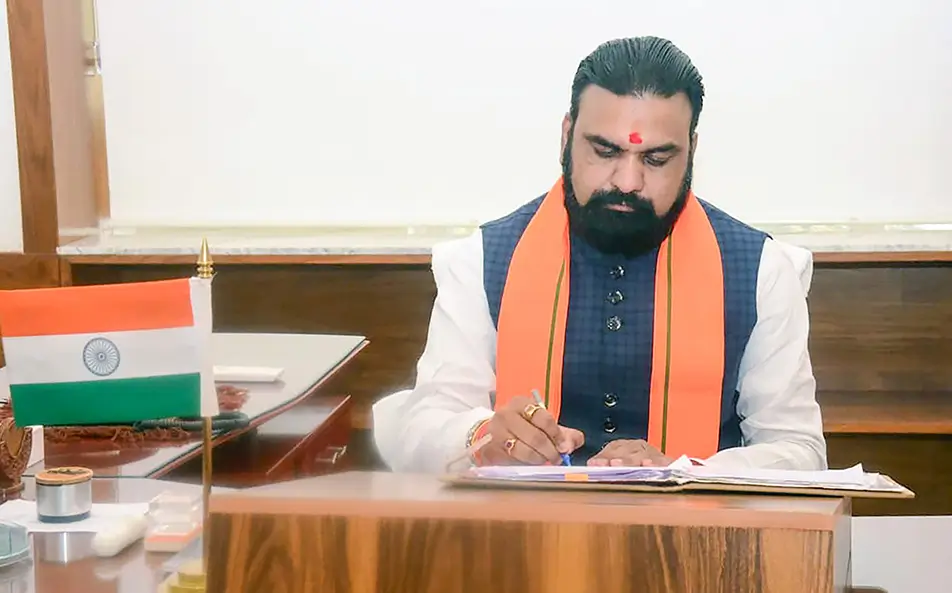
According to the Ministry of Defence's official announcement, Dixit will become the 29th Chief of the Air Staff on October 31, 2026, succeeding Air Chief Marshal Amar Preet Singh.
Here are five major defence projects that could shape the modernisation agenda under the incoming chief.
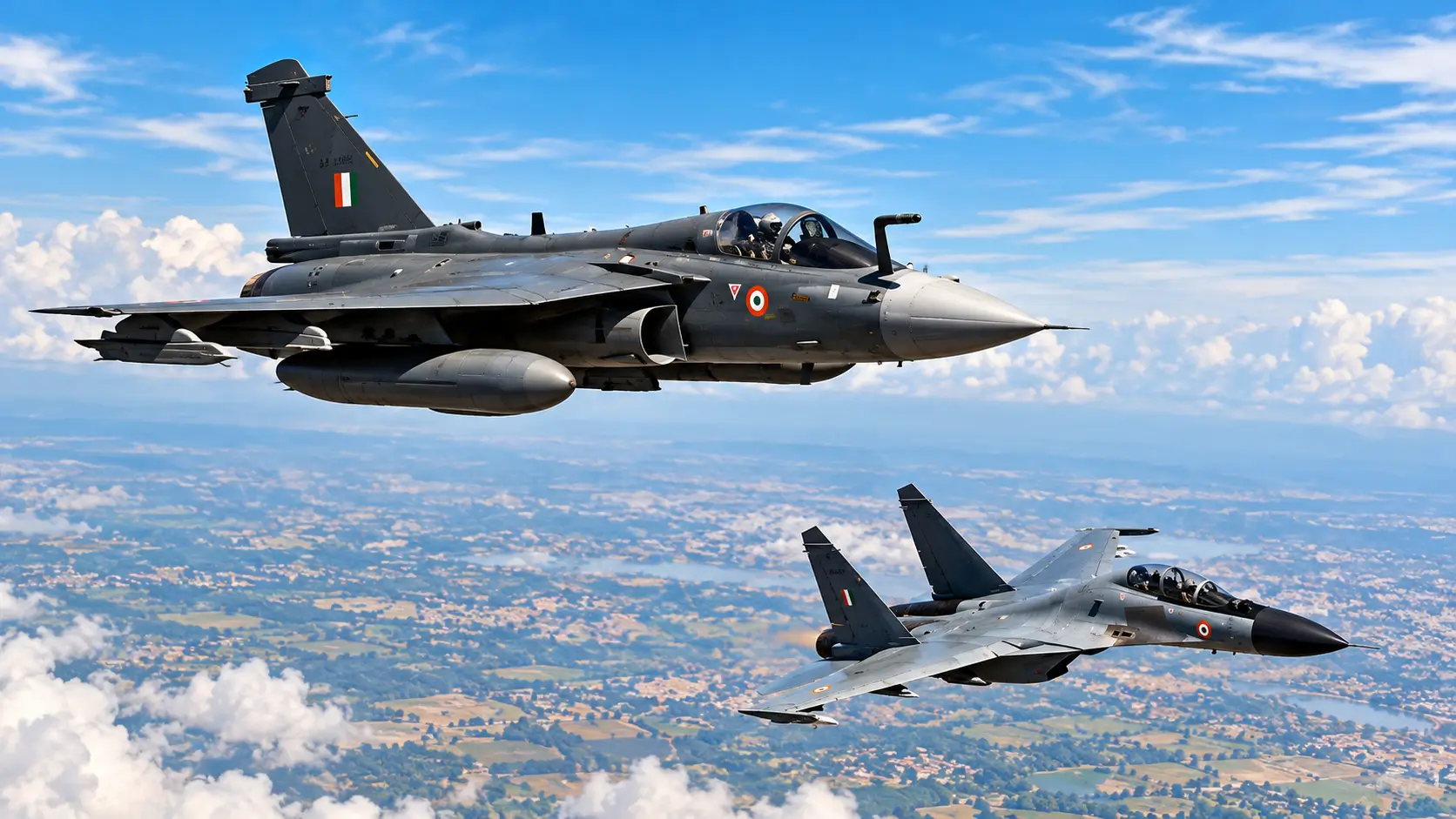
The Indian Air Force has an authorised strength of 42.5 fighter squadrons, but its actual strength is around 30. The gap has become a growing concern as older aircraft retire and new platforms take time to enter service.
Outgoing chief Air Chief Marshal AP Singh has highlighted the need to accelerate aircraft induction. According to India Today, the force needs around 36–40 new fighter aircraft annually just to prevent its squadron strength from declining further.
This puts five programmes in focus: LCA Mk-1A, LCA Mk-2, MRFA, AMCA and the Medium Transport Aircraft (MTA) project.
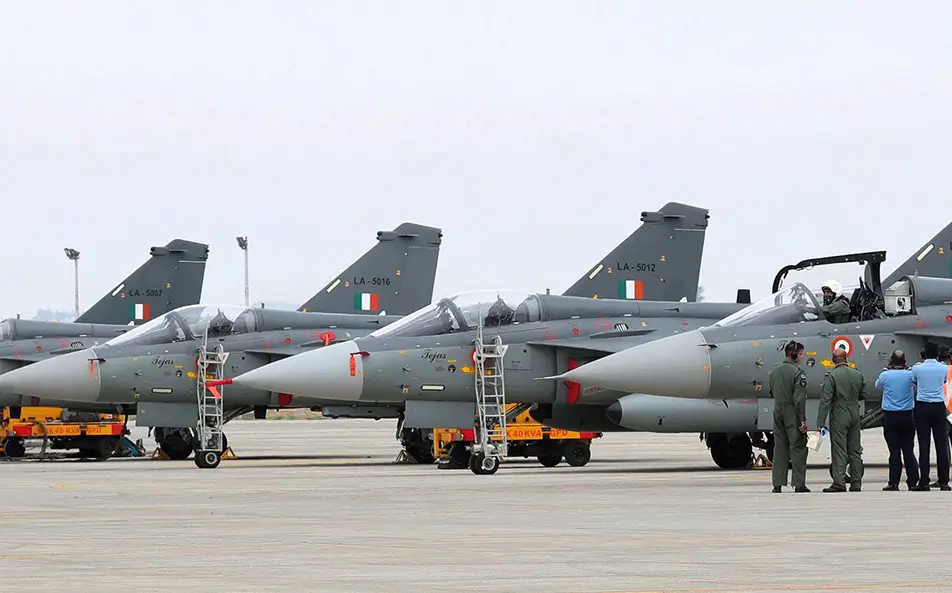
The LCA Mk-1A, an upgraded version of India's indigenous Tejas light combat aircraft, is one of the most immediate priorities.
The Indian Air Force has ordered 180 aircraft from Hindustan Aeronautics Limited (HAL) under two contracts. The first, covering 83 aircraft, was signed in February 2021. A second order for 97 aircraft followed in September 2025.
The second contract is worth ₹62,370 crore, excluding taxes, according to the Ministry of Defence.
Why have deliveries been delayed? Earlier engine supply problems involving GE Aerospace's F404-IN20 engines, certification requirements and remaining radar and weapons-integration work have affected the programme. However, the IAF confirmed in September 2026 that engine installation and testing were underway.
HAL is targeting initial deliveries during FY 2026–27, with a reported annual production capacity of up to 24 aircraft.
Why it matters: The programme's success depends on turning manufacturing capacity into accepted aircraft that can enter operational service. For Dixit, timely induction will be a major test of India's domestic fighter production capabilities.
While Mk-1A addresses near-term requirements, the LCA Mk-2 is designed to offer greater range, higher payload capacity, advanced avionics and improved survivability.
HAL has completed the structural assembly of the prototype, joining its front, centre and rear fuselage sections. The first ground run is targeted for March 2027, with the maiden flight expected later that year.
The aircraft is planned to use the GE Aerospace F414-INS6 engine. HAL is negotiating arrangements for joint engine production in India, while the development programme is estimated to cost around ₹10,000 crore.
The Mk-2 is intended to eventually replace ageing Mirage 2000, MiG-29 and Jaguar aircraft.
As reported by The Week, a potential acquisition of around 120 aircraft will depend on prototype delivery and evaluation.
Why it matters: The Mk-2 could strengthen India's indigenous fighter capabilities, but prototype assembly is only one milestone. Ground trials, flight testing and certification must follow before operational induction.
The Multi-Role Fighter Aircraft (MRFA) programme proposes acquiring 114 Rafale fighters from France at an estimated cost of ₹3.25 lakh crore.
The proposed arrangement envisages 18 aircraft supplied in fly-away condition and the remaining 96 manufactured in India. Local production, Indian weapons integration and India-specific requirements are expected to feature in negotiations.
The Defence Acquisition Council granted Acceptance of Necessity for the Rafale proposal in February 2026. The official government release confirms this approval.
However, procurement approval does not mean the purchase contract has been signed. Commercial negotiations and delivery schedules remain crucial.
India already operates 36 Rafale fighters acquired under an earlier agreement with France. Additional aircraft could strengthen multirole combat capability while domestic fighter programmes progress.
Why it matters: MRFA offers a route to expanding combat capability, but its impact depends on contract finalisation, delivery timelines and the execution of domestic manufacturing plans.
The Advanced Medium Combat Aircraft (AMCA) represents India's long-term ambition to develop an indigenous fifth-generation fighter.
The programme aims to combine stealth, advanced avionics, internally carried weapons, 360-degree situational awareness and supercruise capability. These features are intended to support more advanced combat operations.
The government has shortlisted three industry groups for prototype development: Tata Advanced Systems Limited, an L&T-led team with Bharat Electronics Limited, and a Bharat Forge-led consortium. The estimated prototype-development cost is around ₹15,000 crore.
The first prototype flight is currently targeted for 2028, according to The Economic Times' report on the revised development timeline.
China's J-20 and developing J-35 programmes add to the regional context for India's advanced combat aviation plans.
Why it matters: AMCA could help India build expertise in advanced stealth fighters, but it will not solve the immediate squadron shortage. Development, testing and production remain long-term tasks.
The Medium Transport Aircraft programme broadens the modernisation story beyond fighters.
The proposed procurement covers up to 60 aircraft, with a cargo capacity of 18–30 tonnes. The tender has been reported at approximately ₹1 lakh crore.
Five Indian companies have been invited to participate: Tata Advanced Systems Limited, Mahindra Group, Adani Defence & Aerospace, HAL and Reliance Defence.
Tata Advanced Systems has partnered with Lockheed Martin, offering the C-130J Super Hercules, while Mahindra has teamed up with Embraer, which is offering the C-390 Millennium.
The selected bidder is expected to establish an aircraft production line in India, supporting domestic manufacturing and the wider defence supply chain.
Why it matters: Transport aircraft help move personnel, equipment and cargo. Strengthening airlift capacity is an important part of operational readiness, even though MTA is not a fighter acquisition programme.
Air Marshal Ashutosh Dixit will inherit five programmes at different stages. Mk-1A needs timely deliveries, Mk-2 must progress towards flight testing, MRFA requires procurement negotiations, AMCA needs sustained development, and MTA must move through its competition process.
The challenge is balancing immediate operational requirements with India's long-term ambition to design and manufacture more advanced aircraft at home.
For the Indian Air Force, the real measure of progress will not be the number of announcements or aircraft ordered. It will be how many aircraft are delivered, tested and inducted, and whether the wider modernisation effort stays on schedule.
As Dixit takes charge, these five projects will offer important indicators of how India's air power and domestic aerospace industry evolve over the coming years.
Everything you need to know
Air Marshal Ashutosh Dixit has been appointed the next Chief of Air Staff, with his appointment taking effect on October 31, 2026. He will oversee key operational and modernisation priorities of the Indian Air Force.
The five key projects are the Tejas Mk-1A, Tejas Mk-2, Multi-Role Fighter Aircraft (MRFA) programme, Advanced Medium Combat Aircraft (AMCA), and Medium Transport Aircraft (MTA) programme.
The Tejas Mk-1A programme has faced challenges involving engine supplies, aircraft integration and related technical work. These delays have affected the planned induction timeline.
The Advanced Medium Combat Aircraft (AMCA) is India's planned indigenous fifth-generation stealth fighter programme. It aims to strengthen domestic aerospace capabilities and support the Indian Air Force's future combat requirements.
No. The proposal received Acceptance of Necessity (AoN) in February 2026, which allows the procurement process to move forward. It does not mean the final purchase contract has been signed.



Oct 08, 2026
TUI Staff
Oct 06, 2026
TUI Staff
Sep 23, 2026
TUI Staff
Oct 09, 2026
TUI Staff
Oct 09, 2026
TUI Staff
Oct 09, 2026
TUI Staff
Oct 09, 2026
TUI Staff

Stay informed with independent, fact-checked journalism on technology, environment, government, economy and more. India’s most trusted digital news platform.

Comments (0)
Be the first to comment!