
India Moves to Buy 5 More S-400s : The Big Defence Deal Explained
Why India is strengthening its air shield now?
 IN
Tue, Oct 20, 2026 | 06:54 PM IST
IN
Tue, Oct 20, 2026 | 06:54 PM IST


What if the biggest lesson from Operation Sindoor was not about missiles being fired, but about the missiles that never got close enough to their targets?
India is now moving to strengthen that shield.
After the reported performance of the S-400 during Operation Sindoor, India is advancing plans to acquire five more Russian-made long-range air-defence systems. The move could eventually double India's planned S-400 inventory from five to 10 squadrons.
But there is an important catch: the deal is not final yet. The Defence Acquisition Council (DAC) cleared the proposal in March 2026, while Russia has since submitted a detailed cost proposal worth more than ₹50,000 crore. The proposal is now being examined and negotiated.
So, why does India want five more? What did Operation Sindoor change? And why is India buying from Russia while simultaneously developing its own long-range air-defence capability?
Here is the s 400 deal india story explained in simple terms.
India's original agreement with Russia was signed in 2018 for five S-400 squadrons at around US$5.43 billion. The Ministry of Defence says the system is designed to counter long-range aerial threats targeting vital areas.
In March 2026, the DAC granted Acceptance of Necessity (AoN) for an additional five S-400 systems as part of defence proposals worth approximately ₹2.38 lakh crore.
The latest development came in August, when Russia submitted its detailed proposal for the additional five squadrons. The estimated value is reportedly more than ₹50,000 crore. According to India Today, the proposal is currently being processed by the Defence Ministry.
That means the process currently looks like this:
DAC clearance → Russian proposal → cost negotiations → financial approvals → final government approval → contract
So, if you are searching for the latest s 400 deal india status, the answer is simple: the proposal has moved forward, but the final contract is still pending.
The answer comes down to one word: coverage.
India has to protect a huge geographical area while preparing for threats from more than one direction. Additional air defence systems would give the Indian Air Force greater flexibility to position long-range protection across strategic sectors.
The five additional units are expected to strengthen India's layered air-defence network on both the western and eastern fronts.
This matters because modern warfare is no longer limited to fighter aircraft. Drones, cruise missiles and other aerial threats can arrive from different directions and at different altitudes.
A larger network of air defence systems can therefore provide greater depth, rather than forcing India to rely heavily on a limited number of high-value units.
Operation Sindoor gave India's air-defence architecture a real-world test.
During the May 2025 conflict, India used an integrated network involving several air defence systems to counter Pakistani drones and missiles. The Ministry of Defence said India's counter-UAS grid and air-defence systems successfully neutralised multiple threats.
The S-400 became one of the most talked-about elements of that network.
Indian officials and military commanders have credited the system with helping restrict Pakistani aerial operations. Retired Air Marshal Jeetendra Mishra, who commanded Western Air Command during the conflict, has also claimed that an S-400 engaged a Pakistani surveillance aircraft at a range of about 314 km.
That specific battlefield claim should be understood as an attributed military claim, rather than presented as an independently verified fact.
The larger lesson is easier to establish: long-range air defence can do more than intercept threats. It can make an adversary think twice before entering a defended zone.
That is the real value of the S-400 missile system.
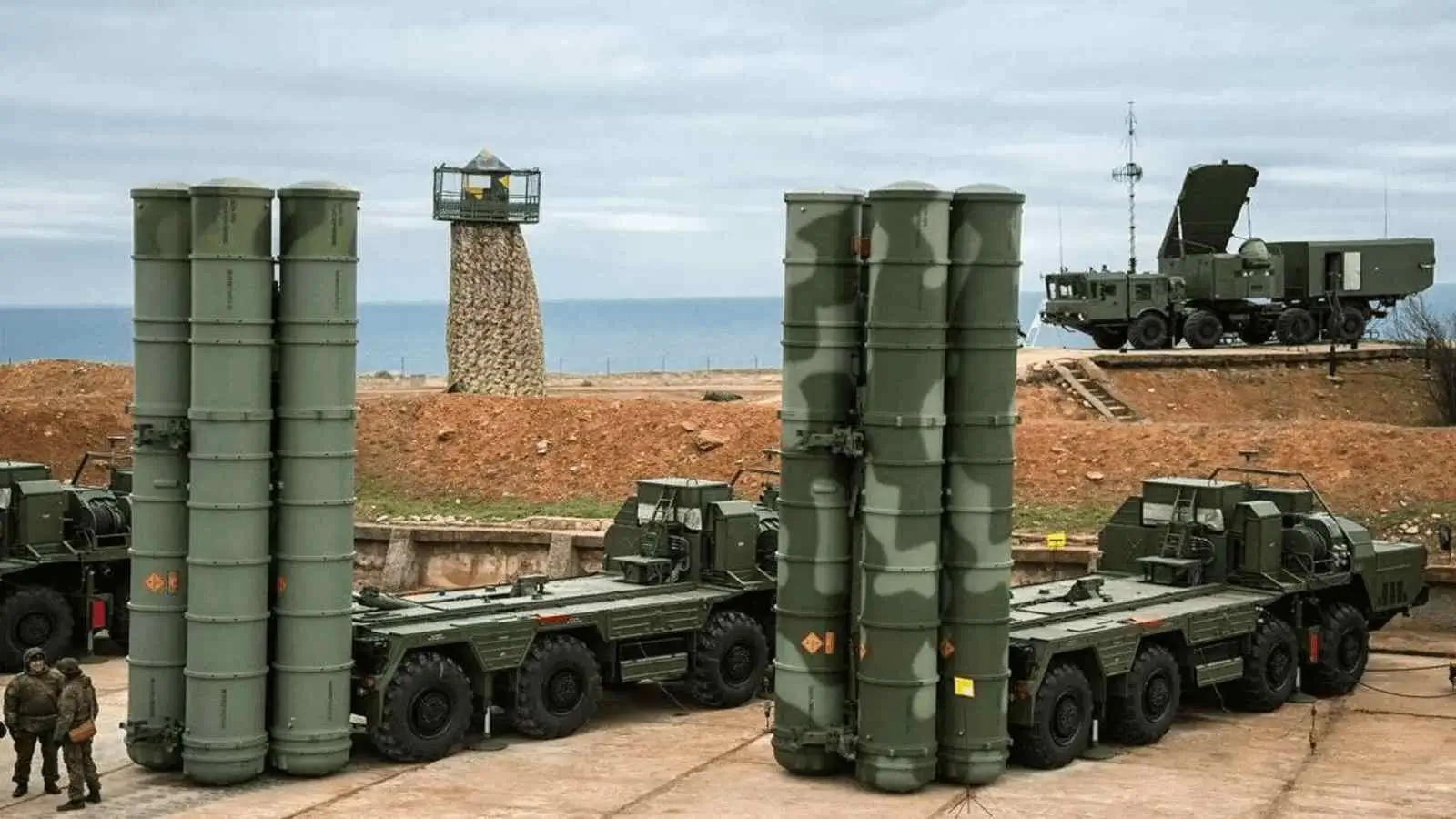
Img Src : Newsd Defence
India's air-defence planning is not only about Pakistan.
China's expanding military aviation capabilities are another major factor. The People's Liberation Army Air Force operates the J-20, a fifth-generation fighter aircraft, adding to the strategic pressure along India's northern and eastern approaches.
Reports have linked China's deployment of J-20s near the India-facing region with the Indian Air Force's interest in strengthening its capabilities.
This is also why the additional systems matter geographically. More long-range coverage could allow India to strengthen its eastern and northern sectors without reducing protection elsewhere.
The objective is not simply to acquire more hardware. It is to create a more resilient network capable of responding to different kinds of aerial threats.
The easiest way to understand the S-400 missile system is to think of it as a long-range defensive shield.
It combines radars, command-and-control elements and interceptor missiles to detect, track and engage aerial threats. The system is designed to deal with targets including aircraft, missiles and drones at different ranges and altitudes.
And there is an important point many headlines miss.
An air-defence system does not have to fire a missile to influence a battle.
If an enemy aircraft knows it can be detected and engaged from a significant distance, it may have to change its route, altitude or mission.
That ability to deny access to airspace is a major part of modern air defence.
India's original 2018 contract was for five squadrons. Four of those have now reportedly been received, with the fifth expected by November 2026, according to defence sources cited by India Today.
If the new proposal is eventually approved and contracted, India's planned inventory would rise to 10 squadrons.
That does not mean India will simply put 10 systems in one place.
They can be distributed across strategic sectors, allowing the country to strengthen its overall defensive coverage while retaining greater operational flexibility.
There is another requirement too: interceptor missiles.
India is separately pursuing additional S-400 missiles to replenish stocks and strengthen preparedness following Operation Sindoor.
More launch systems are useful only if there are enough interceptors, trained crews, radars and supporting infrastructure to sustain operations.
This is where India's strategy gets particularly interesting.
If India is buying more Russian systems, why is it simultaneously developing a domestic alternative?
Because today's requirement and tomorrow's ambition are different things.
The DRDO's Kusha Long-Range Surface-to-Air Missile programme is intended to build an indigenous long-range air-defence capability. On July 23, 2026, DRDO successfully conducted Kusha's maiden flight test against an electronic target simulating a high-speed, high-altitude aerial threat. The government said the system is designed to counter fighter jets, missiles, unmanned aerial vehicles and large enemy aircraft.
That makes the strategy fairly straightforward:
The successful Kusha test is particularly important because the government says the system is being developed by DRDO laboratories and Indian industry partners and could help reduce import dependence.
So India's approach is not necessarily contradictory. It is about strengthening the shield available today while building the technology India wants to depend on tomorrow.
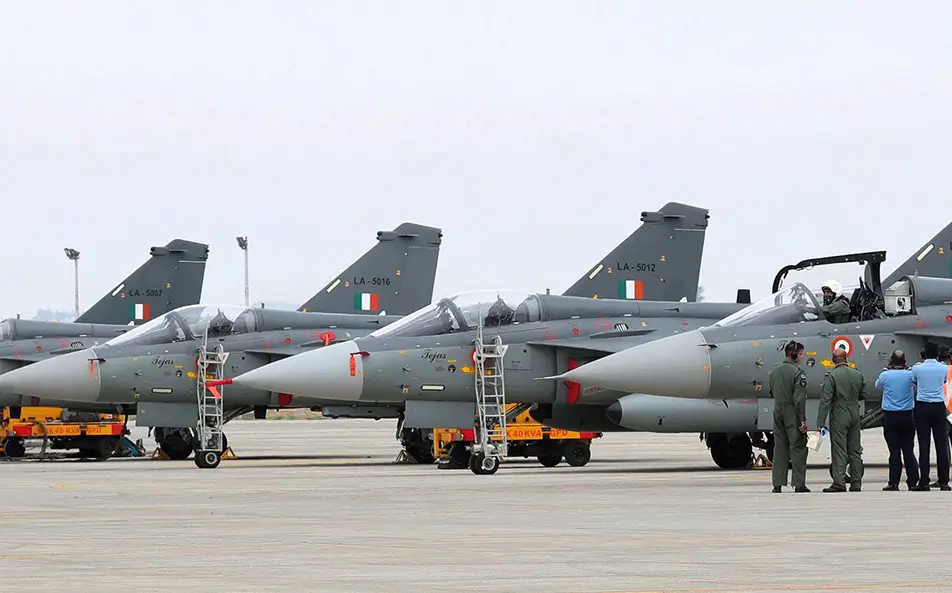
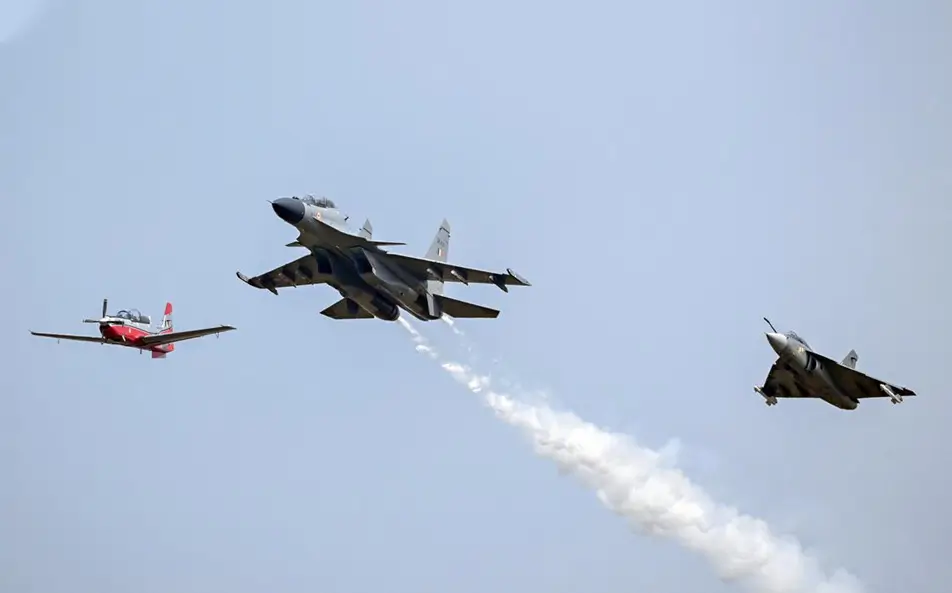
The S-400 discussion has also been accompanied by reports about Russian Su-57 fighter aircraft.
But these are two separate developments.
The Indian Air Force has reportedly shown interest in Russia's proposal for the Su-57, particularly amid the growing presence of China's J-20. However, there is no confirmed decision to purchase two squadrons based on the information currently available.
The distinction matters because the Su-57 is a fifth-generation fighter aircraft, while the S-400 is a ground-based air-defence system. They perform completely different roles.
The next stage is negotiation.
India will examine Russia's proposal, including its cost and terms. The two sides will then need to work through the commercial details before the acquisition can proceed through the remaining approval process.
If the contract is eventually signed, deliveries of the additional systems are expected to take time. India Today reports that deliveries could begin around three years after an agreement is signed.
For now, the headline should therefore be understood as India moving toward a purchase, not announcing a completed deal.
The bigger story is not simply five additional Russian missile systems.
India is building a layered air-defence architecture for a security environment where aircraft, drones and missiles can arrive from different directions.
Operation Sindoor appears to have strengthened confidence in the role of long-range systems. China's growing air capabilities add another concern. At the same time, India's Kusha programme shows that New Delhi does not want imported systems to remain the permanent answer.
That makes the proposed purchase a bridge between two goals:
Strengthen India's air shield now. Build India's own shield for the future.
And that is perhaps the most important takeaway from India's move for five more S-400s.
Everything you need to know
India wants to strengthen long-range air-defence coverage across multiple strategic sectors, particularly after the experience of Operation Sindoor and amid evolving threats from Pakistan and China.
No. The DAC has cleared the requirement, and Russia has submitted a cost proposal. Negotiations and further approvals are still required before a final contract is signed.
India originally contracted for five. If the proposed five additional squadrons are eventually contracted, the planned total would rise to 10.
Yes. DRDO is developing the indigenous Kusha long-range surface-to-air missile system. Its maiden flight test was successfully conducted in July 2026.
The J-20 is a fifth-generation fighter aircraft operated by China. Its growing presence adds to India's need to maintain strong surveillance and air-defence capabilities along its northern and eastern approaches.




Oct 14, 2026
TUI Staff
Oct 08, 2026
TUI Staff
Oct 06, 2026
TUI Staff
Oct 19, 2026
TUI Staff
Oct 19, 2026
TUI Staff
Oct 17, 2026
TUI Staff
Oct 17, 2026
TUI Staff

Stay informed with independent, fact-checked journalism on technology, environment, government, economy and more. India’s most trusted digital news platform.


Comments (0)
Be the first to comment!