
Navratri Food Recipes: Sanjeev Kapoor’s Makhana Kheer Is the Vrat Twist You Didn’t Know You Needed
The Vrat Dessert Your Festive Menu Was Missing
 IN
Mon, Oct 19, 2026 | 04:53 PM IST


Sabudana again? Potatoes again? Not this time.
If your Navratri menu is already starting to feel like a repeat playlist, Sanjeev Kapoor’s Makhana Sweet Potato Kheer could be the dessert twist you didn't know you needed.
The chef shared this creamy makhana and shakarkand recipe on Instagram on October 11, 2026, as part of his Navratri recipe series. The combination brings together roasted makhana, grated sweet potato, milk, ghee, nuts and cardamom for a festive dessert that is simple enough to make at home.
And that's what makes it stand out among the many Navratri food recipes doing the rounds this festive season. It takes ingredients familiar to vrat kitchens and gives them a completely different personality.
Let's be honest: fasting may be a tradition, but eating the same few dishes for nine days can test anyone's culinary imagination.
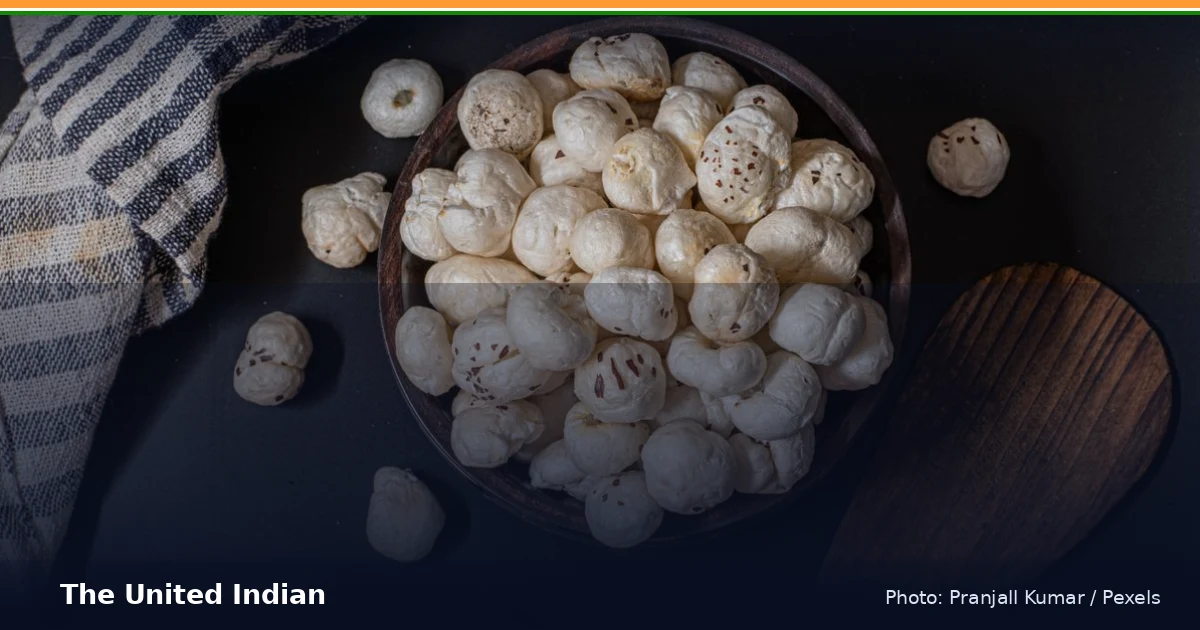
That is where this recipe scores. The makhana is roasted in ghee until crisp, while grated sweet potato is cooked in milk until tender. The two come together with fried cashews, almonds, cardamom and sugar. The makhana is then crushed coarsely rather than powdered completely, giving the dessert little bites of texture.
The result is somewhere between familiar and unexpected: creamy, nutty, mildly earthy and properly festive.
It also fits neatly into the wider conversation around Navratri food recipes, where ingredients such as makhana, sweet potato, sabudana, kuttu and samak rice are often used to create varied fasting meals.
Makhana and sweet potato are commonly used in fasting preparations, but vrat rules aren't identical everywhere. Families and regions can follow different traditions about permitted ingredients.
So, before making this recipe specifically for a fast, check whether every ingredient - including milk, ghee and sugar - fits your family's fasting practice.
Ingredients for Sanjeev Kapoor’s Makhana Sweet Potato Kheer
The ingredient list is refreshingly short:
These quantities match the recipe reported by Hindustan Times and ABP Live after the chef shared the preparation.
1. Roast the makhana
Heat ghee in a heavy-bottomed pan. Add the makhana and roast until crisp and lightly golden. Remove and keep aside.
This step matters. Roasting gives the makhana a nuttier flavour and creates the texture that makes the final kheer interesting.
2. Fry the nuts
In the same pan, add the chopped cashews and almonds. Fry until golden and fragrant, then remove them.
3. Cook the sweet potato
Add the grated sweet potato to the pan and sauté for around 5–6 minutes. Pour in the milk, cover the pan and cook on medium-low heat for another 8–10 minutes, or until the sweet potato becomes tender.
4. Crush the makhana
While the sweet potato cooks, coarsely crush the roasted makhana. Don't turn it into a fine powder. A few small pieces give the kheer a pleasant bite.
5. Bring it all together
Add the crushed makhana, fried nuts, cardamom powder and sugar to the sweet potato-milk mixture. Stir gently and cook until the sugar dissolves and the kheer thickens.
6. Garnish and serve
Transfer the warm kheer to serving bowls and finish with slivered almonds.
That's it. No elaborate prep, no hard-to-find ingredients and no complicated technique.
A traditional kheer usually gets its body from rice or another grain. This version takes a different route.
The sweet potato softens into the milk, giving the dessert its creamy, earthy base. The roasted makhana adds texture, while the fried almonds and cashews bring a deeper nuttiness. Cardamom ties everything together with its familiar festive aroma.
So, while it is still recognisably kheer, it doesn't taste like the bowl you have had every festive season.
And that little change is exactly what a repetitive vrat menu needs.
If you're looking for more than dessert, there are plenty of ways to make your fasting menu less predictable.
Popular options include:
Recent Navratri coverage has highlighted exactly this versatility, showing how ingredients such as makhana and sweet potato can move between snacks, meals and desserts.
Even Sanjeev Kapoor recipes from this Navratri season have gone beyond the usual sabudana staples. His vrat-friendly samo pulao, shared earlier in October, uses barnyard millet, vegetables, cashews and coriander for a more substantial fasting meal.
It can fit a fasting menu where its ingredients are permitted, but vrat rules differ across households and regions. ABP Live specifically advises readers to check family fasting guidelines before preparing the recipe.
Calling it universally “fasting-safe” would be too broad. Your own tradition should decide what goes into the bowl.
Navratri food doesn't have to mean choosing between the same handful of dishes every day.
This kheer proves that a little creativity can completely change familiar vrat ingredients. Makhana brings the crunch, shakarkand brings the earthy sweetness, milk makes it creamy, and nuts give it that festive finish.
So, the next time your Navratri menu starts looking suspiciously repetitive, skip the culinary déjà vu.
Roast the makhana. Grate the shakarkand. Make the kheer.
Because fasting may limit what's allowed on your plate—but it doesn't have to limit how exciting that plate can be.
Everything you need to know
Per Hindustan Times, the recipe uses three-quarters of a cup of makhana, one large sweet potato, two tablespoons of ghee, two tablespoons each of chopped cashews and almonds, three cups of fresh milk, a quarter teaspoon of green cardamom powder, half a cup of sugar, and slivered almonds for garnish.
Yes. Hindustan Times reported on October 12, 2026 that the sweet potato and makhana kheer was presented as a Navratri dessert suitable for vrat, since it avoids regular flour and lentils.
According to The Times of India, the sweet potato sautes for five to six minutes, then simmers covered in milk for eight to ten minutes before the roasted makhana, nuts, cardamom and sugar are stirred in and cooked until thick.




Oct 19, 2026
TUI Staff
Oct 17, 2026
TUI Staff
Oct 17, 2026
TUI Staff
Oct 15, 2026
TUI Staff
Oct 19, 2026
TUI Staff
Oct 17, 2026
TUI Staff
Oct 17, 2026
TUI Staff
Oct 15, 2026
TUI Staff

Stay informed with independent, fact-checked journalism on technology, environment, government, economy and more. India’s most trusted digital news platform.





Comments (0)
Be the first to comment!