
Merchant Discount Rate Rollout May Be Delayed to January 2027: What UPI Users and Merchants Should Know
The UPI Payment Shift Explained
 IN
Fri, Oct 09, 2026 | 06:29 PM IST
IN
Fri, Oct 09, 2026 | 06:29 PM IST

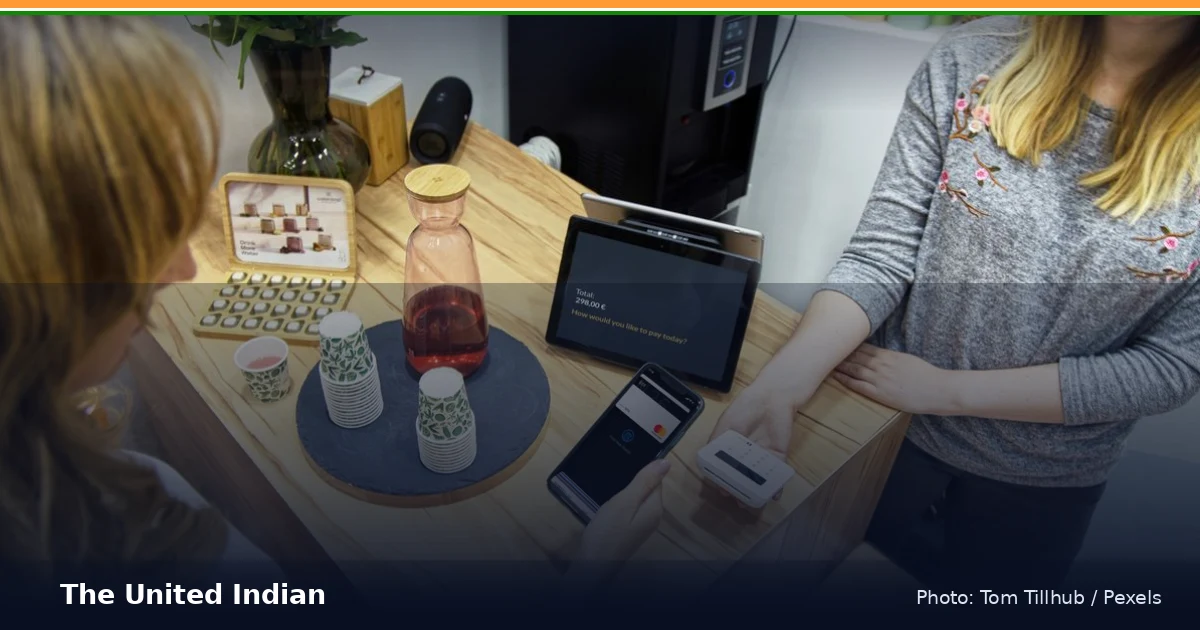
Imagine paying ₹10,000 through UPI at a store. You scan the QR code, enter your PIN and complete the payment in seconds. But behind that simple transaction, a new fee could soon change how merchants pay for digital payments.
India's proposed Merchant Discount Rate (MDR) rollout, scheduled for October 15, 2026, may be pushed to January 2027, according to a Reuters report published on October 8. The report cited a regulatory official and an industry executive familiar with the discussions.
The proposed delay comes just as India's festive shopping season gathers pace. Merchant associations, fintech companies and payment firms have reportedly sought more time to prepare for the new fee structure. However, the National Payments Corporation of India (NPCI) has yet to announce a final decision on the postponement.
For millions of Indians who rely on UPI every day, the big question is simple: Will these new charges affect the way they pay?
The Merchant Discount Rate is a fee associated with processing digital payments. Under the proposed UPI framework, it would apply to specified person-to-merchant (P2M) transactions above ₹2,000, while eligible small merchants and several other transaction categories would remain exempt.
According to the Ministry of Finance's official clarification issued on September 15, 2026, the framework aims to support the long-term sustainability of India's digital payment ecosystem without introducing charges on ordinary person-to-person transfers.
The proposed structure includes two types of fees:
For example, a qualifying ₹10,000 payment to a regular merchant would attract a proposed fee of ₹40. A qualifying payment to a railway ticket counter, telecom operator, insurer or fuel outlet would attract the reported flat fee of ₹5.
These are merchant-side charges, not a blanket fee on every UPI payment. The applicable category and exemptions determine how a transaction is treated.
The proposed framework retains exemptions for several categories:
The Ministry of Finance has stated that approximately 96% of person-to-merchant UPI transactions will remain unaffected by the new framework. Read the official government clarification for the scope of the exemptions.
The proposed UPI fee rollout coincides with India's busiest shopping period, making the timing a major concern for merchants and payment companies.
October to December brings major festivals, weddings, travel bookings and year-end shopping. For retailers, this period often means higher sales and increased payment volumes.
Introducing new payment-processing costs during this period could add pressure to businesses that operate on narrow margins. A delay until January 2027 would give merchants additional time to understand the proposed charges before the new framework takes effect.
The proposed charges have drawn objections from merchant groups concerned about their operating costs.
According to Moneycontrol's October 8 report, NPCI received requests from merchant bodies, fintech companies and payment firms seeking a postponement until January 2027.
The opposition also included calls for a protest dubbed "No UPI Day". Discussions with Finance Minister Nirmala Sitharaman followed, highlighting the concerns surrounding the timing of the rollout.
A new fee structure involves more than changing a number on a payment screen. Banks, payment aggregators and fintech companies may need to update transaction-processing systems, test fee calculations and establish how the charges will be distributed across the payment ecosystem.
A postponement could provide additional time for these preparations while allowing merchants to continue accepting digital payments through the festive rush.
No. As of October 9, 2026, the proposed postponement had not been officially confirmed.
In comments reported by Moneycontrol on October 8, Finance Minister Nirmala Sitharaman said stakeholders would handle the decision on when the charges would begin.
The original October 15 date remains the announced implementation date unless the relevant authorities confirm a change. January 1, 2027, is the reported alternative, not a finalised date.
For businesses tracking the development, the next important update will be an official communication from the relevant payment authorities confirming whether the implementation date or any part of the framework has changed.
The proposed UPI charges are intended to apply to eligible merchant transactions rather than ordinary consumers making payments. Person-to-person transfers and specified exempt categories will continue to remain outside the levy.
This means customers should not assume that scanning a QR code or transferring money to another individual will automatically attract a new fee.
However, merchants will need to account for any applicable processing costs once the framework takes effect. Whether a business absorbs those costs or makes other pricing decisions is a separate commercial matter; the proposed MDR does not itself establish that customers will be charged an additional fee.
The distinction is important because the introduction of a merchant-side fee does not mean that UPI will stop being a convenient payment option for everyday purchases.
For merchants, a postponement would provide temporary breathing room during the festive shopping season. Businesses would have more time to understand their potential costs, review transaction categories and prepare for the change.
For payment companies, the delay could postpone anticipated revenue from eligible transactions while extending the preparation period. Reuters reported that shares of Indian digital payment companies fell after news of the possible postponement, reflecting investor concerns about the timing of the proposed revenue opportunity.
The broader issue is how India can maintain an affordable, widely accessible digital payment system while supporting the infrastructure and businesses that keep it running.
The proposed MDR framework represents a change in how the costs of digital payments may be distributed. Its final impact will depend on the confirmed rules, the scope of exemptions and how the payment ecosystem implements them.
The key development to watch is whether NPCI confirms a postponement from October 15, 2026, to January 2027. Until an official announcement is made, merchants and payment companies should treat the proposed date as unconfirmed.
For now, the central takeaway is straightforward: the reported delay could give India's merchants and payment firms more time to prepare, but it does not, by itself, cancel the proposed fee framework.
As India's digital payment ecosystem continues to expand, the challenge will be to balance the cost of operating the network with the affordability and convenience that have made UPI a part of everyday life.
Everything you need to know
The proposed MDR is a 0.4% fee on merchant UPI transactions above Rs 2,000, with a flat Rs 5 charge for categories like railways, telecom, insurance and fuel, and a Rs 300 cap on other transactions above Rs 75,000, according to Reuters. The fee cannot be passed on to consumers.
The MDR was scheduled to take effect on October 15, 2026, but Reuters reported on October 8 that it may be delayed to January 2027, citing a regulatory official and an industry executive. As of October 9, 2026, NPCI had not confirmed a final decision, according to Hindustan Times.
The original October 15 start date fell during India's festive season, a period of peak consumer spending. Moneycontrol reported that NPCI received requests from merchant bodies, fintech companies and payments companies to push implementation to January 2027.




Oct 09, 2026
TUI Staff
Oct 09, 2026
TUI Staff
Oct 08, 2026
TUI Staff
Oct 08, 2026
TUI Staff
Oct 09, 2026
TUI Staff
Oct 09, 2026
TUI Staff
Oct 09, 2026
TUI Staff
Oct 09, 2026
TUI Staff

Stay informed with independent, fact-checked journalism on technology, environment, government, economy and more. India’s most trusted digital news platform.





Comments (0)
Be the first to comment!