
Delhi AQI Today: Two Cloud-Seeding Trials Reported, Will Artificial Rain Clear the Smog?
Delhi considers artificial rainfall as festive smog worsens.
 IN
Thu, Nov 05, 2026 | 04:21 PM IST


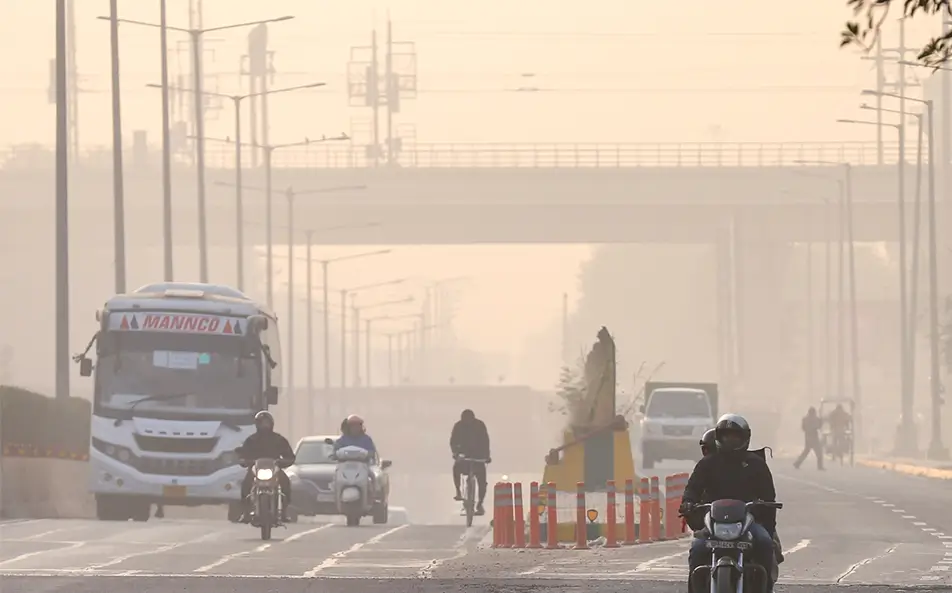
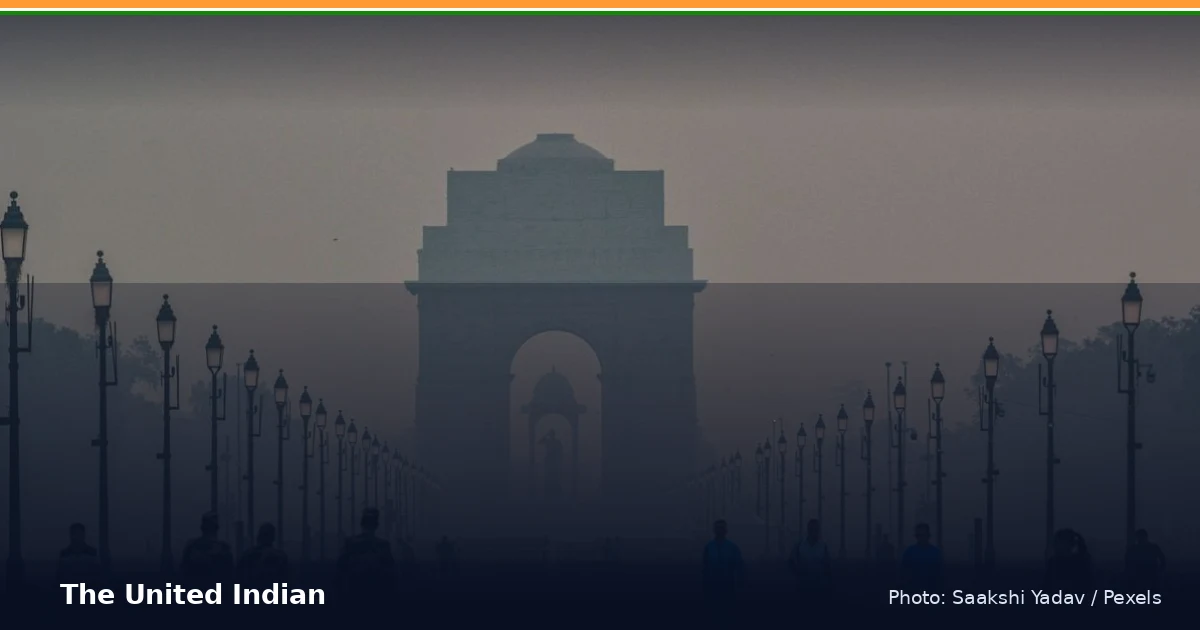
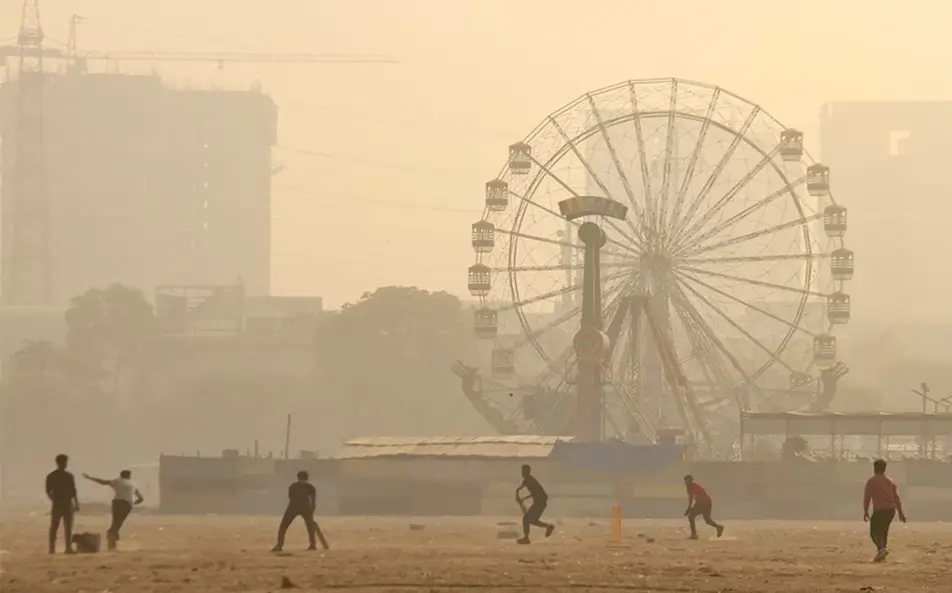
Delhi AQI stood at 367 around 10 am on Thursday, November 5, 2026, putting the capital in the 'very poor' category three days before Diwali. At Jahangirpuri, the reading reached 459, classified as 'severe'. Against that backdrop, Delhi officials are considering another attempt to produce rain during the festive period, but no flight schedule or successful rainfall result has been announced. Delhi Air Pollution remains a pressing concern as fireworks, transport emissions, road dust and seasonal weather conditions threaten to worsen the haze. A limited weather experiment could offer temporary relief, provided the right clouds develop.
At 10 am, the city's aggregate reading was 367, according to Hindustan Times' CPCB-based dashboard. The previous day's official 4 pm bulletin recorded 377. These citywide figures should not be confused with individual monitoring stations: Jahangirpuri's 459 was a local reading, not Delhi's overall average. Air quality can change with wind, temperature and emissions. The 'very poor' band runs from 301 to 400 on India's national scale; 401 to 500 is 'severe'. Forecasters have warned conditions may deteriorate further over the festive weekend.
According to The Indian Express, sources described two trials near Indira Gandhi International Airport during the preceding fortnight. The Delhi Environment Department declined to confirm the exercises or supply operational details when approached by the newspaper. More cloud seeding flights are reportedly being considered on two or three dates after Diwali on November 8, with the Chhath period around November 15 also in discussion. Artificial rain has not been formally scheduled. No independently verified account shows that the reported new trials caused measurable rainfall or improved the city's air.
Some November 5 reports repeated figures of about 30,000 metres for recent flights and 10,000 metres for 2025. Those numbers should not be published as verified operational heights without flight records. Contemporaneous reporting of IIT Kanpur's October 2025 trials documented flare releases at approximately 4,000 and 5,000–6,000 feet. The Cessna 206H used last year operates far below a claimed 30,000 metres; NASA lists a maximum altitude of 15,700 feet for its Cessna 206H. The aircraft and units behind the latest reports therefore require clarification.
The Delhi government and IIT Kanpur are collaborating on a pilot intended to test cloud seeding during exceptional smog episodes. In a February 5 parliamentary response, the government described it as a trial-stage emergency option possible only when suitable cloud cover exists. The technique introduces particles such as silver iodide or salts into moisture-bearing clouds to encourage droplets or ice crystals to grow. It cannot create rain from a clear, dry sky. Delhi's October 2025 experiments did not produce rainfall, highlighting the uncertainty of trying the process during winter.
Artificial rain, if achieved, may temporarily wash suspended particles out of the atmosphere. It cannot prevent fresh emissions from vehicles, construction, industries or crop burning. Experts interviewed by NDTV have stressed the difference between an emergency response and a lasting reduction at the source.
For residents following Delhi AQI, the immediate priority remains official air-quality updates and health advice, not an assumed weather intervention. An AQI reading alone does not guarantee officials will launch an aircraft; weather conditions, approvals and an operational decision must also align. Delhi Air Pollution will need sustained action irrespective of whether another experiment takes place. As of November 5, the proposed dates remain provisional, and no publicly verified results establish that the latest trials delivered rain.
Everything you need to know
The Delhi government is considering cloud seeding, adding substances like silver iodide to clouds to induce rain, as an emergency measure if air pollution worsens after Diwali and Chhath Puja, according to NDTV.
Yes. NDTV reported two trials in the 15 days before November 5, 2026, including one near Delhi airport, conducted at about 30,000 metres altitude compared with roughly 10,000 metres the previous year.
No. A Press Information Bureau response described it as a trial-stage emergency option, not a long-term solution. Sunil Dahiya of Envirocatalysts told NDTV it does not tackle pollution at its source and depends on suitable cloud cover being present.


Nov 05, 2026
TUI Staff
Nov 04, 2026
TUI Staff
Nov 02, 2026
TUI Staff
Nov 05, 2026
TUI Staff
Nov 05, 2026
TUI Staff
Nov 04, 2026
TUI Staff
Nov 04, 2026
TUI Staff

Stay informed with independent, fact-checked journalism on technology, environment, government, economy and more. India’s most trusted digital news platform.



Comments (0)
Be the first to comment!