
Delhi AQI Crosses 300 for First Time This Season as Smog Builds Before Diwali
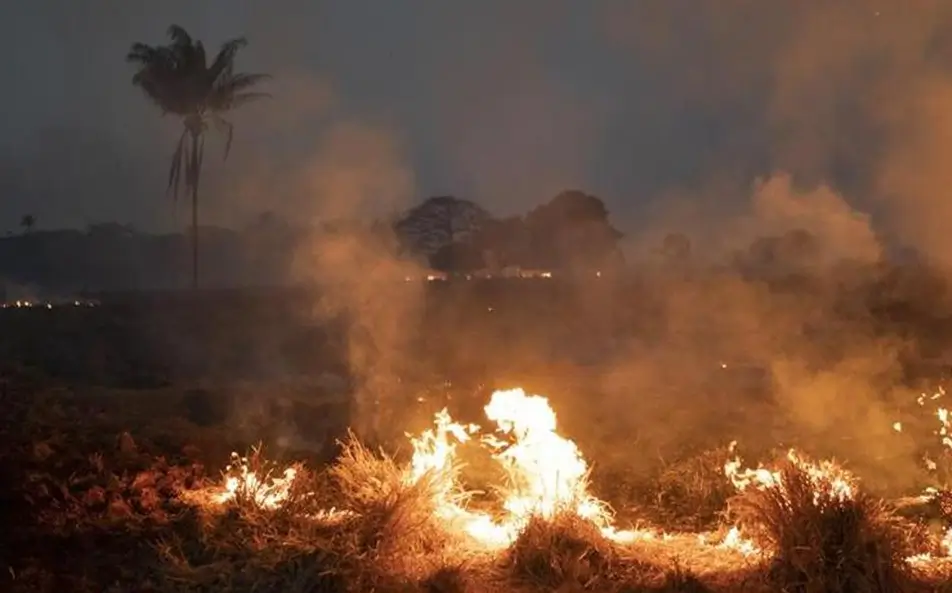
Delhi's winter smog returns as air quality deteriorates.
 IN
Mon, Nov 02, 2026 | 05:19 PM IST


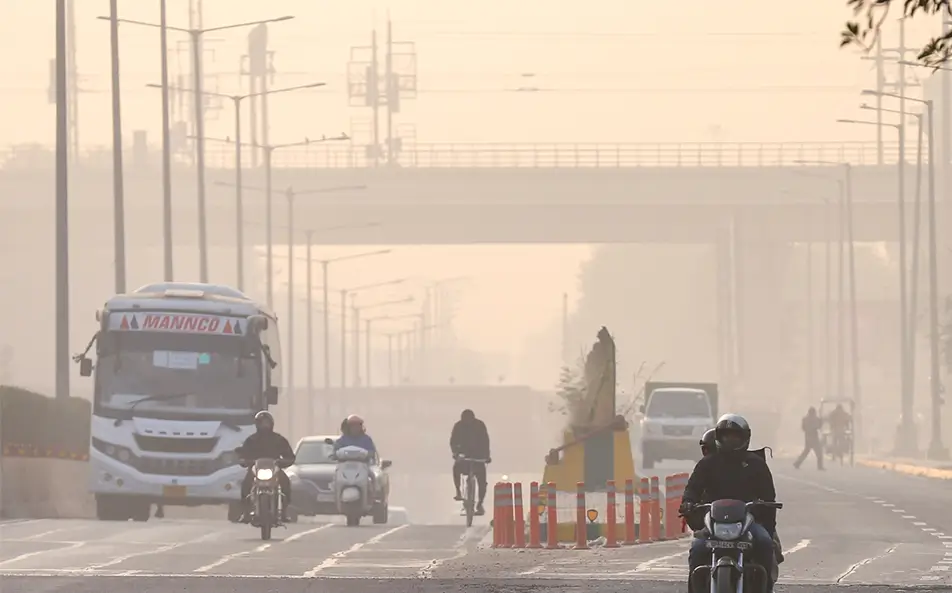
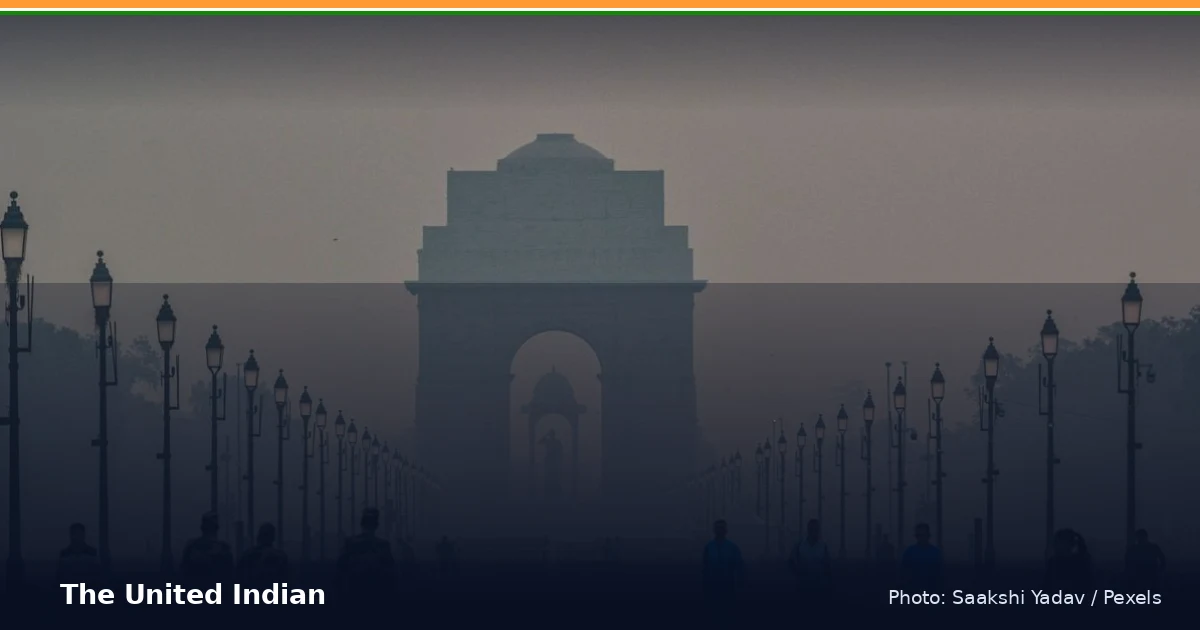
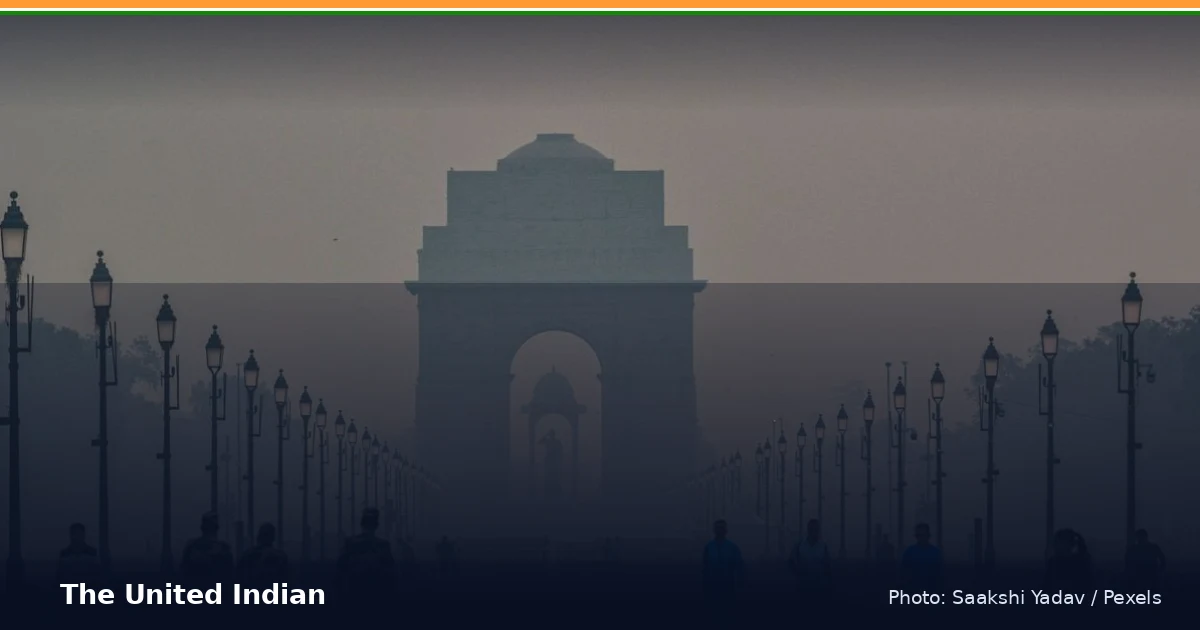
Delhi's air quality slipped into the "very poor" category on Monday, November 2, 2026, with the capital's Air Quality Index reaching 312 at 9 am. It was the first citywide reading above 300 of the current post-monsoon season, according to CPCB figures reported by PTI. The shift came just days after rain had briefly cleared the skies.
For residents, the number is more than a measure of haze. Under India's air-quality scale, 301–400 is "very poor", a category associated with a greater risk of respiratory illness during prolonged exposure. Children, older people and those with heart or lung conditions need particular caution.
The 9 am reading of 312 was not the official 4 pm daily average. Delhi's 24-hour average at 4 pm on Sunday was 261, up from 117 on Saturday. On Monday, different morning updates placed the index at 307 around 7 am, 312 at 9 am and 314 around 10 am. Those numbers represent different times, not conflicting versions of the same measurement.
For anyone checking Delhi AQI, it is important to distinguish intraday updates from CPCB's daily bulletin. The November 2 final daily figure should be added only after it can be verified from the official release; the morning spike alone cannot establish the day's closing average.
The deterioration was uneven. Of 58 Delhi stations reporting valid data in an early snapshot, 36 were in the "very poor" range, while Jahangirpuri recorded 417, classified as "severe". Other locations, including Punjabi Bagh and Rohini, approached the severe threshold, according to Business Standard. The Delhi AQI city figure is an aggregate, so a person near a busy road or another emissions source may experience conditions different from the headline number. Station readings can also change significantly during the day.
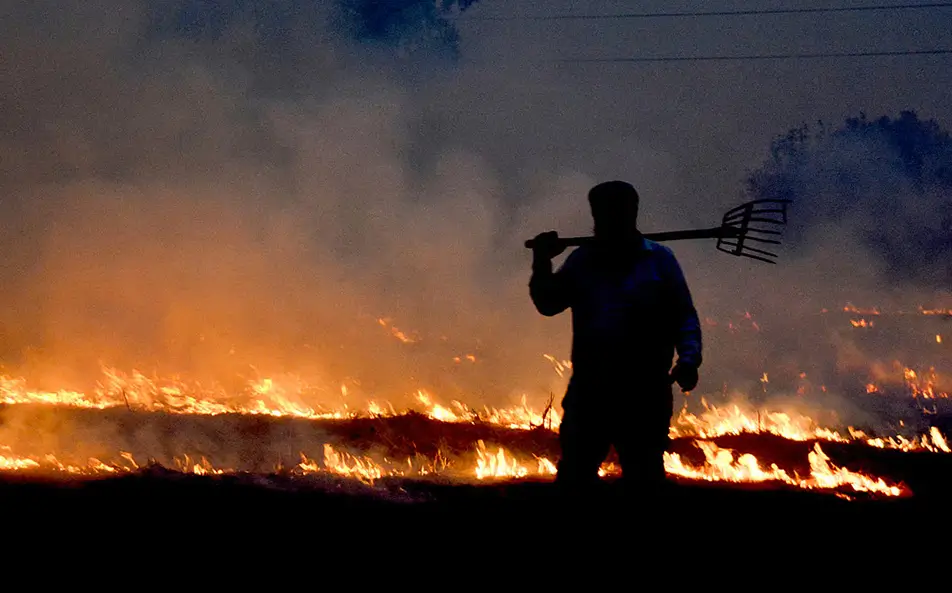
Delhi air pollution has worsened as weaker winds and more stable atmospheric conditions limit the dispersal of fine particles. Friday's rain brought a temporary improvement, but its effect did not last. Safdarjung's minimum temperature on Monday was 16.4°C, slightly above normal; that temperature alone does not explain why pollutants accumulated. Delhi air pollution is influenced by several sources, including traffic emissions, road and construction dust, industrial activity and regional crop-residue burning. Firecrackers are a concern ahead of Diwali, but it would be inaccurate to blame Monday's readings on celebrations that have not yet taken place.
Searches for delhi pollution today may also show readings from Noida and other NCR cities. Those are separate local measurements, not interchangeable with Delhi's citywide figure. Forecasts suggest unfavourable dispersal conditions could persist, although a further jump into the severe band cannot be guaranteed.
Winter-specific vehicle and dust-control measures began on November 1, while CAQM had already ordered Stage I action on October 21. Stage II of the Graded Response Action Plan is associated with AQI in the 301–400 range and can bring additional measures, including changes to office timings and parking charges.
However, a morning reading above 300 does not by itself confirm that CAQM formally issued a new Stage II order. Residents should consult the latest commission directions rather than treating a threshold crossing as an automatic legal change. Pollution controls and enforcement can also arise from separate winter measures.
People following delhi pollution today should check CPCB's updated city and nearby station readings before planning outdoor activities. At "very poor" levels, avoid prolonged outdoor exertion, especially for children, older adults and anyone with respiratory or cardiovascular illness. Follow medical advice for existing conditions.
The next Delhi AQI daily bulletin will help establish how sustained the deterioration was. Pollution may intensify if calm winds and regional emissions persist, but moving from "very poor" to "severe" remains a risk rather than a confirmed outcome.
Everything you need to know
Delhi recorded an AQI of 312 at 9 am on November 2, placing the capital in the "very poor" category. This was an intraday reading, not the final daily average.
MCX December silver futures opened at ₹1,81,094 per kilogram. Indicative silver quotations included ₹1,81,280/kg in Delhi and ₹1,81,590/kg in Mumbai.
An AQI of 312 is classified as "very poor" under CPCB standards. Prolonged exposure increases respiratory health risks, especially for vulnerable groups.
Stage II corresponds to the "very poor" air-quality band, but formal implementation requires a CAQM decision. A new November 2 invocation order was not independently verified for this article.
Unfavourable weather conditions and seasonal emissions may increase smog levels, but forecasts do not guarantee that Delhi will enter the "severe" category.

Nov 02, 2026
TUI Staff
Oct 31, 2026
TUI Staff
Oct 30, 2026
TUI Staff
Oct 27, 2026
TUI Staff
Nov 02, 2026
TUI Staff
Nov 02, 2026
TUI Staff
Oct 31, 2026
TUI Staff
Oct 30, 2026
TUI Staff

Stay informed with independent, fact-checked journalism on technology, environment, government, economy and more. India’s most trusted digital news platform.


Comments (0)
Be the first to comment!