
Bhutan Glacial Lake Outburst Puts West Bengal and Assam on Flood Alert
Thousands moved to safety as Himalayan floodwaters trigger alerts.
 IN
Fri, Oct 30, 2026 | 02:19 PM IST


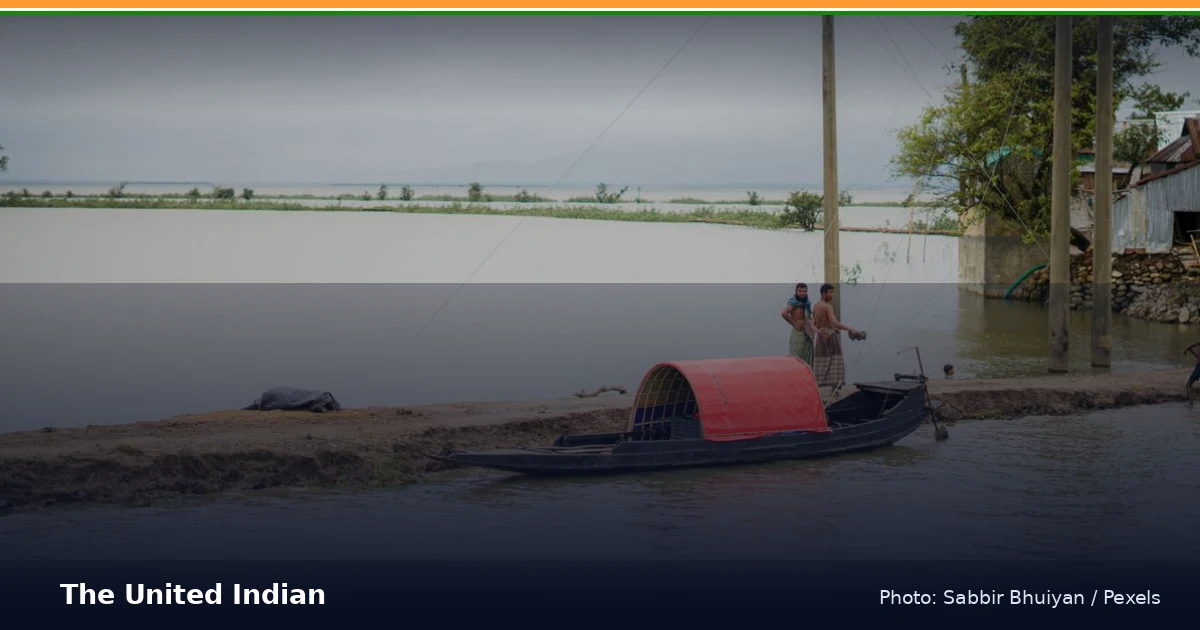
A Bhutan glacial lake outburst on the evening of October 29, 2026, prompted urgent flood warnings along the Sankosh river system in West Bengal and Assam. The Central Water Commission (CWC) warned that a surge from Shintaphu Lake in Bhutan's Gasa district could reach the India–Bhutan border in six to eight hours.
By Friday morning, more than 10,000 residents of Alipurduar district had reportedly been relocated. Assam's Dhubri district remained on alert, although officials said the Sankosh water level was steady at 6:30 AM on October 30. An alert is not the same as confirmation that damaging floods have reached every downstream settlement.
The CWC's October 29 advisory, issued after the Indian Embassy in Bhutan reported the incident, warned of a sudden rise in river levels in Alipurduar and Dhubri, according to The New Indian Express.
The estimate described how long floodwater might take to reach the border from the earlier event. It was not a fresh six-to-eight-hour countdown on October 30. Shintaphu Lake, also called Sintaphu, lies below Wakila Mountain in Bhutan's Gasa district. Water from its catchment enters the Mo Chhu. At Punakha, the Mo Chhu joins the Pho Chhu to form the Punatsangchhu, which flows into India as the Sankosh. That connected river system explains why a disturbance high in Bhutan can trigger warnings across the border.
In the Dooars, officials focused on Kumargram and riverside communities such as Chengmari, Pakriguri and Bholka in Alipurduar. Residents of low-lying settlements and tea-garden areas were urged to move away from riverbanks rather than wait to see floodwater. The scale of the precautionary response was substantial.
Alipurduar Superintendent of Police Amit Kumar Shaw said around 4,000–5,000 people were accommodated in shelters and more than 6,000 others had moved to safer places, according to The Week. Relief centres in schools and community buildings provided space, drinking water and food. State response teams were active, and national disaster-response personnel had been mobilised. The warning in North Bengal covered communities exposed to the Sankosh, not every location across the region.
The Bhutan glacial lake outburst caused serious damage upstream. Reuters reported that the Gasa Tshachu hot-spring facilities were damaged and a road towards Laya became impassable. Bhutan's state broadcaster said the strong current and darkness had initially made it difficult to assess the full damage.
Bhutan news reports also described warnings and evacuations in exposed locations before the surge arrived. No deaths or injuries had been reported in Bhutan as of Friday morning. The exact volume released and the cause of the breach were not independently established in the sources reviewed. Estimates circulating online should therefore be treated cautiously.
The Assam government said Dhubri district officials were monitoring the Sankosh and preparing for possible downstream effects. The Assam State Disaster Management Authority reported a steady river level at 6:30 AM on October 30, according to The New Indian Express.
This morning observation should not be read as a guarantee that the risk had ended. River levels can change as water passes downstream, and warnings must be updated using current gauge readings and district instructions.
Bhutan's National Centre for Hydrology and Meteorology lists Sintaphu among the country's 17 potentially dangerous glacial lakes. The classification means experts have identified hazards requiring monitoring. It does not establish the precise cause of the latest outburst. A sudden release from a mountain lake can carry water, rocks and debris down steep valleys before reaching densely settled river plains. The impact of such flooding depends on how much water escapes, the terrain and the condition of rivers and infrastructure downstream.
Following the Bhutan glacial lake outburst, residents along the Sankosh and connected waterways should follow district administration warnings, move to designated safe areas when instructed and avoid riverbanks, bridges and flooded roads. The six-to-eight-hour estimate from Thursday's advisory is not a substitute for live river-level monitoring.
As of October 30, the established developments were serious upstream damage, large precautionary evacuations in Alipurduar and continued vigilance in Dhubri. The extent of any additional downstream flooding requires confirmation from updated official readings.
Everything you need to know
A reported outburst at Bhutan's Shintaphu Lake on October 29 sent floodwaters into the Mo Chhu–Punatsangchhu river system. India's Central Water Commission warned of possible sudden rises along the Sankosh.
The CWC specifically identified Alipurduar in West Bengal and Dhubri in Assam. Precautionary warnings also covered other exposed communities near the Sankosh and its tributaries.
More than 10,000 people were reportedly moved from vulnerable areas of Alipurduar. According to the district police chief's account, approximately 4,000–5,000 were in relief shelters and more than 6,000 had moved to other safe locations.
No deaths or injuries had been reported in Bhutan as of the October 30 morning updates. However, the Gasa Tshachu hot-spring facilities and sections of road infrastructure were damaged.
A glacial lake outburst flood, or GLOF, occurs when water stored in a glacier-fed lake escapes suddenly, sometimes because a natural dam or barrier fails. The release can send fast-moving water, sediment and debris downstream, threatening settlements and infrastructure.



Oct 30, 2026
TUI Staff
Oct 27, 2026
TUI Staff
Oct 27, 2026
TUI Staff
Oct 30, 2026
TUI Staff
Oct 30, 2026
TUI Staff
Oct 29, 2026
TUI Staff
Oct 29, 2026
TUI Staff

Stay informed with independent, fact-checked journalism on technology, environment, government, economy and more. India’s most trusted digital news platform.


Comments (0)
Be the first to comment!