
Maharashtra Drought Forces Orange Farmers to Choose: Save the Trees or Lose the Crop?
Farmers sacrifice today's harvest to protect tomorrow's orchards.
 IN
Wed, Nov 04, 2026 | 05:31 PM IST


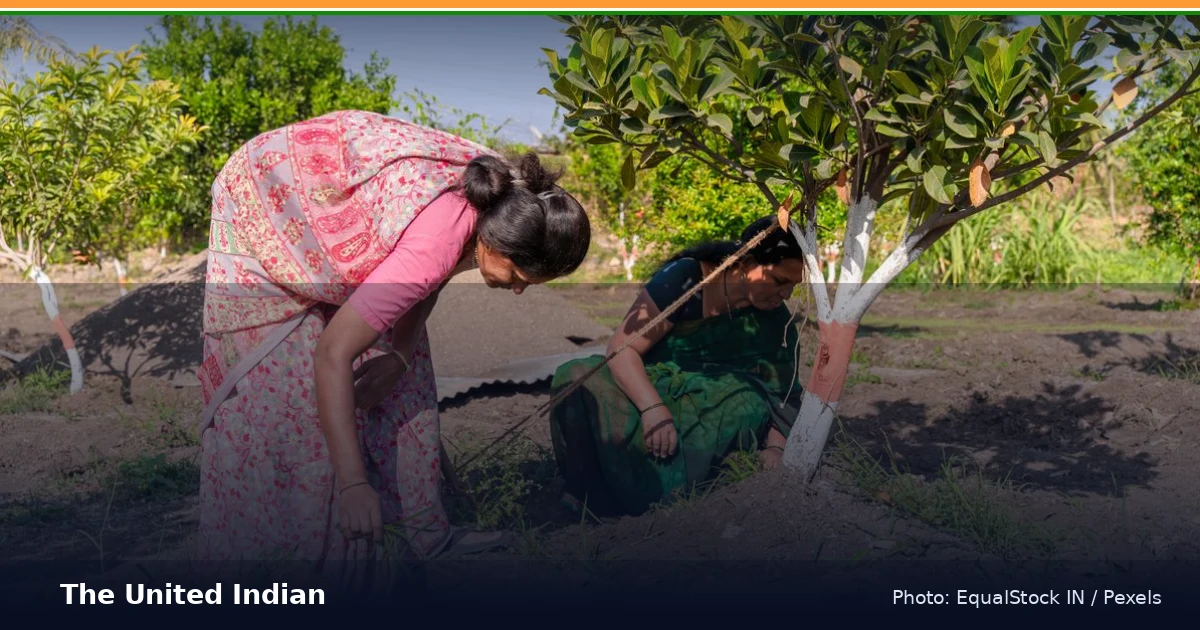
In Linga village of Amravati, Maharashtra orange farmers are removing oranges barely the size of an amla rather than waiting for harvest. Grower Shivhari Hadke is sacrificing fruit from his 18-year-old orchard in the hope that stressed trees will need less water. It is one of the starkest signs of the Maharashtra drought: saving the next harvest may mean abandoning this one.
The distress reaches beyond oranges. A Maharashtra rainfall deficit, especially in the state's western Vidarbha and Marathwada regions, has left fruit growers facing lost income, dying trees and uncertain recovery.
Hadke has nearly 250 trees on about two acres. Ten have dried up and his younger brother has lost 70, according to The Indian Express. Removing immature oranges is a way to reduce fruit demand on a tree short of moisture; it does not guarantee the tree will survive. When trees pass the point of permanent wilting, growers may have to uproot them. Researchers say newly planted citrus trees can take about four years to produce their first harvest. Drought-hit farmers therefore face more than one season of lost sales: they can lose years of investment, too.
The Maharashtra rainfall deficit was 18% statewide between June 1 and September 26, The Indian Express reported, with drought or drought-like conditions declared in 304 of 358 talukas. The Maharashtra drought has been unevenly distributed. Within that statewide figure, Amravati district had a much sharper 43% monsoon shortfall, while the wider Vidarbha region recorded about 27% less rainfall by September 30.
A Times of India report said growers estimated orange trees had been removed from land covering roughly 5,000 hectares in the Nagpur mandarin belt. That is a farmer-reported estimate, not a confirmed state survey of trees lost. For Maharashtra orange farmers, that retreat brings immediate losses as well as the expense of maintaining surviving trees. The Vidarbha drought has also brought higher irrigation costs, fruit drop and concerns about unreliable water and electricity supplies.
Sweet lime crop loss has been reported around Ambad in Jalna district, where fruit is undersized and some trees have dried up. In Rohilagad, farmer Shivaji Takle said a pomegranate crop failure cost him nearly ₹2.5 lakh; more than 400 trees dried out on his 2.5-acre farm. These are individual farm accounts, not a statewide estimate of pomegranate losses.
The damage has spread across fruit-growing areas with very different rainfall and irrigation conditions. Searches for "Citrus orchards Maharashtra" can obscure this distinction: orange and sweet lime plantations are affected, while pomegranate growers face their own vulnerabilities. A sweet lime crop loss or a pomegranate crop failure can also force growers to choose between costly replanting and switching crops.
Scientists at ICAR's Central Citrus Research Institute in Nagpur told The Indian Express that normal citrus yields average around 13 tonnes per hectare, but affected orchards could produce seven or eight tonnes. This is an indicative assessment, not an independently established statewide orange production decline. A separate Times of India report placed Ambiya crop losses at 30–50% in some pockets and warned that the Mrig crop could face further stress. Agricultural drought is about whether crops have enough usable soil moisture, not merely the total rain recorded at a district station. Researchers also point to the timing and distribution of rainfall.
The Vidarbha drought is exposing long-term risks to orchards that require irrigation for years before producing fruit. An orange production decline reduces current earnings; losing established trees makes recovery substantially more expensive. Farmers also face questions about insurance payments, compensation and access to water. No complete final damage assessment or guaranteed relief package covering all these orchards has been confirmed in the reports reviewed. The Maharashtra drought cannot be measured by one village's losses alone.
For families weighing replanting against other crops, the urgency is practical. Agricultural drought can persist at farm level even when rain returns, especially where soil moisture and irrigation supplies have not recovered. That is why the fate of Maharashtra orange farmers will depend not only on next season's weather, but also on how quickly viable support reaches their farms.
Everything you need to know
Farmers in Amravati district's Linga village are stripping immature oranges to cut the water demand on drought-stressed trees, hoping this helps the trees survive even if it means losing the season's crop, according to The Indian Express.
The Times of India reported that orange trees have been removed from around 5,000 hectares in the Nagpur mandarin belt due to drought, water shortages and extreme October heat.
A new orange orchard takes about four years to produce its first harvest, per The Indian Express, meaning farmers who uproot dried trees now face a multi-year wait before earning income again.



Nov 04, 2026
TUI Staff
Nov 02, 2026
TUI Staff
Oct 31, 2026
TUI Staff
Nov 04, 2026
TUI Staff
Nov 04, 2026
TUI Staff
Nov 04, 2026
TUI Staff
Nov 03, 2026
TUI Staff

Stay informed with independent, fact-checked journalism on technology, environment, government, economy and more. India’s most trusted digital news platform.




Comments (0)
Be the first to comment!