
Panchang Today, August 3, 2026: Krishna Panchami, Rahu Kaal and Shubh Muhurat
Today's Sacred Timings at a Glance
 IN
Thu, Sep 17, 2026 | 06:59 PM IST
IN
Thu, Sep 17, 2026 | 06:59 PM IST

Panchang for Monday, August 3, 2026, features Krishna Paksha Panchami, Uttara Bhadrapada Nakshatra and Sukarma Yoga.
The day also marks a Shravan Somwar, which holds religious importance for devotees of Lord Shiva. Anyone planning worship, travel or an important activity should check the timings for their location because Rahu Kaal and other daily periods change from city to city.
According to the today panchang for New Delhi, Krishna Paksha Panchami remains in effect until approximately 10:54 PM. Krishna Shashthi begins after that. The Uttara Bhadrapada Nakshatra continues until around 10:00 PM, after which Revati Nakshatra starts. Sukarma Yoga remains until about 9:13 PM and is followed by Dhriti Yoga. These timings form an important part of the daily panchang, but they should be read along with the local sunrise, planetary periods and the nature of the activity being planned.
Krishna Panchami began on the previous night and continues through most of Monday. It ends at approximately 10:54 PM on August 3. Panchami is the fifth lunar day of the Krishna Paksha, or waning phase of the Moon. Traditional interpretations often associate this phase with reflection, completion and measured action rather than unnecessary haste. However, the presence of Krishna Panchami does not automatically make every hour suitable for a wedding, house-warming or major financial decision. A specific muhurta should be checked for the intended ceremony and location.
The Moon remains under Uttara Bhadrapada Nakshatra until approximately 10:00 PM. Revati begins shortly afterwards. Traditional astrology associates Uttara Bhadrapada with patience, restraint, research and thoughtful decision-making. The Hindustan Times daily guidance suggests that the day may favour disciplined work, careful communication and steady progress. People reading a daily horoscope should remember that nakshatra-based guidance is general. A personal horoscope also considers the individual’s birth chart, ascendant and planetary placements.
The Hindu calendar timings reported for New Delhi include the following favourable periods:
Abhijit Muhurta is a midday period traditionally considered favourable for several routine activities. Amrit Kaal is another positive period listed in the day’s almanac.
These are general daily windows. Important ceremonies may require a more specific calculation based on the event, city and participants.
For Delhi NCR, Rahu Kaal is calculated at approximately 7:24 AM to 9:05 AM. Another listing rounds the same period to 7:30 AM to 9:00 AM. The difference is small and may result from location coordinates, sunrise calculations or rounding methods. Other periods reported for New Delhi include:
People who follow the today panchang generally avoid beginning major activities during Rahu Kaal. Work that has already started does not necessarily need to stop during this period.
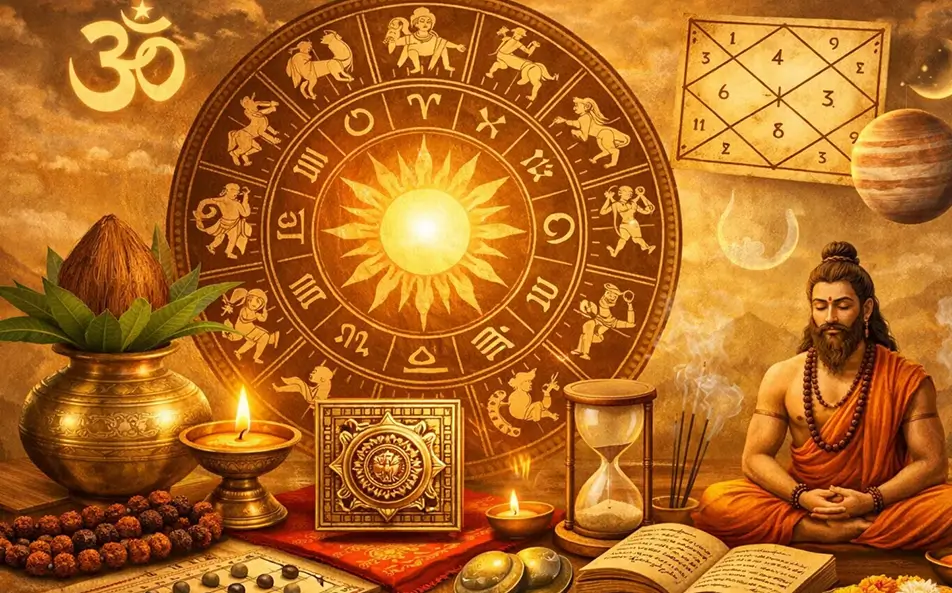
The planetary section in the earlier draft needs correction. On August 3, the Sun is in Cancer and the Moon is in Pisces. The Moon remains in Pisces throughout the day before moving into Aries on August 4. The Moon’s placement in Pisces is also consistent with Uttara Bhadrapada Nakshatra, which occupies part of the Pisces zodiac sign. There is no support in the reviewed sources for the claim that the Sun is in Gemini or that the Moon is in Aries on August 3.
A panchang and a horoscope serve different purposes. A Panchang records daily astronomical and traditional calendar elements, including tithi, nakshatra, yoga, karana, sunrise, sunset and time-based periods. A horoscope, by contrast, generally offers predictions for an individual or zodiac sign. It may use planetary movements along with birth-related details. The Hindu calendar can therefore help readers understand the day’s general religious and astrological timings, while a personal birth chart is needed for individual predictions.
The tithi, nakshatra and yoga transition at nearly the same moment across India, but locally calculated periods such as Rahu Kaal, sunrise, sunset and Abhijit Muhurta can differ. For example, the Times of India lists Delhi NCR’s Rahu Kaal as 7:24 AM to 9:05 AM, while Kolkata’s is 6:46 AM to 8:25 AM and Mumbai’s is 7:53 AM to 9:30 AM.
That is why readers should not use one city’s timing for another location.
Panchang Today places Krishna Paksha Panchami in effect until 10:54 PM, Uttara Bhadrapada until around 10:00 PM and Sukarma Yoga until approximately 9:13 PM.
For New Delhi, the most useful general auspicious periods include Abhijit Muhurta from 12:00 PM to 12:54 PM and Amrit Kaal from 5:07 PM to 6:45 PM. The third and final Panchang Today reminder is to check city-specific timings before fixing an important ceremony or beginning a major activity. A daily almanac provides general guidance, but the correct muhurta depends on location and purpose.
Everything you need to know
According to the draft, the day features Krishna Paksha Panchami, Uttara Bhadrapada Nakshatra and Sukarma Yoga, while also being a Shravan Somwar.
For New Delhi, Rahu Kaal is approximately 7:24 AM to 9:05 AM, though some almanacs round it to 7:30 AM to 9:00 AM.
The key favourable periods listed are:
Abhijit Muhurat: 12:00 PM – 12:54 PM
Amrit Kaal: 5:07 PM – 6:45 PM
Brahma Muhurat: 3:55 AM – 4:41 AM
No. A Panchang provides daily calendar and astronomical timings, while a horoscope offers predictions based on zodiac signs or an individual's birth chart.
Rahu Kaal, sunrise, sunset and other muhurats depend on local sunrise and geographical location, so timings vary from city to city.





Sep 17, 2026
TUI Staff
Sep 17, 2026
TUI Staff
Sep 17, 2026
TUI Staff
Sep 16, 2026
TUI Staff
Sep 17, 2026
TUI Staff
Sep 17, 2026
TUI Staff
Sep 17, 2026
TUI Staff
Sep 17, 2026
TUI Staff

Stay informed with independent, fact-checked journalism on technology, environment, government, economy and more. India’s most trusted digital news platform.





Comments (0)
Be the first to comment!