
Indian Coast Guard Rescue in Bay of Bengal: 20 Sailors Saved From Cyclone Arnab-Hit Ship in High-Risk Mission
A 24-hour Coast Guard operation pulled 20 sailors off a sulphur-linked ship grounded off Andhra Pradesh during Cyclone Arnab.
 IN
Fri, Oct 30, 2026 | 02:51 PM IST


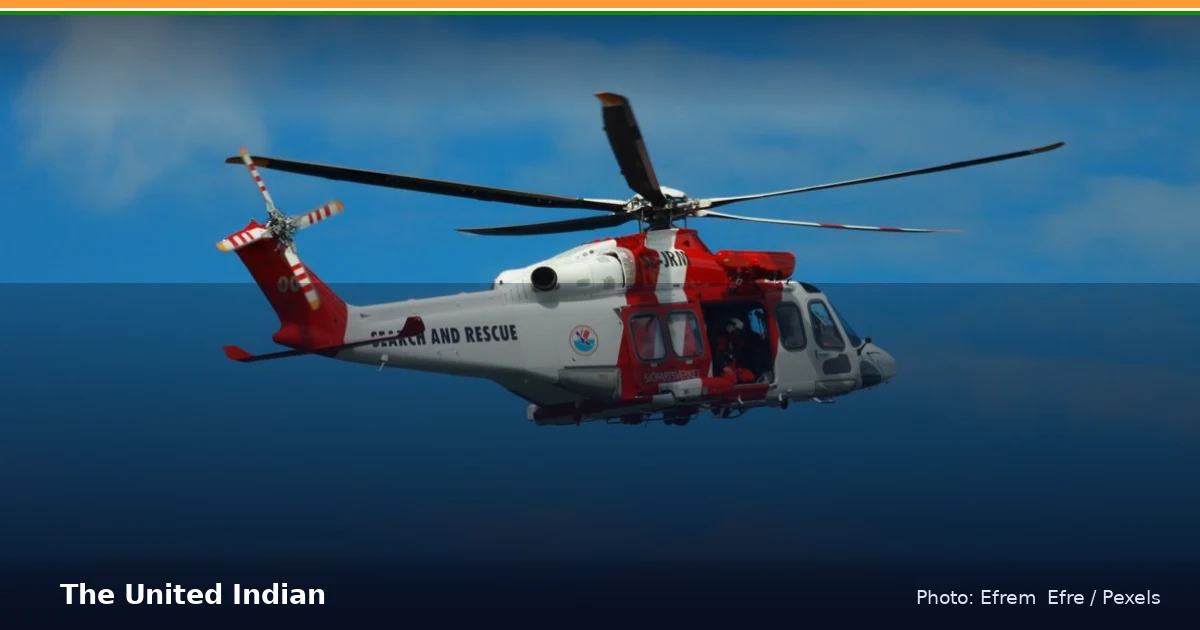
An Indian Coast Guard rescue brought all 20 sailors aboard MV Sigma Pearl to safety on October 29, 2026, after the bulk carrier ran aground in the Bay of Bengal during severe weather associated with Cyclone Arnab. A helicopter and the offshore patrol vessel Sujay supported the operation near Antarvedi, off the Andhra Pradesh coast.
The 180-metre merchant vessel had recently departed Visakhapatnam when it reportedly lost manoeuvrability and drifted towards shallow water. The crew escaped without reported casualties. But the ship itself remained stranded, with its machinery, cargo history and potential fuel-pollution risks requiring further assessment.
The Marshall Islands-flagged carrier, identified by IMO number 9414773, became stranded near Antarvedi in Dr B. R. Ambedkar Konaseema district, close to the Ravva offshore oil and gas field. According to PTI's October 29 report, the vessel measured approximately 180 metres, or 590 feet, in length and had 20 crew members aboard.
The Sigma Pearl cargo ship had departed Visakhapatnam on October 27. Several reports said it was heading towards Singapore, while marine-tracking information cited by IANS listed its destination as “For Orders”. The vessel's intended destination is therefore best described as reported rather than independently established.
Port-related reports indicate that the vessel experienced engine or power-system problems before grounding. The New Indian Express reported repeated auxiliary-engine and generator shutdowns while the ship was at Visakhapatnam Port. It also described a subsequent loss of power and anchor-dragging problem. Those details suggest the machinery difficulties may have begun before the worst weather. However, investigators have not established the exact sequence of failures.
As Cyclone Arnab crossed the eastern coastline on October 28, heavy seas and strong winds made it harder for the vessel to maintain its position. The Bay of Bengal grounding occurred approximately 1.7 kilometres from the nearest shoreline, according to The New Indian Express. Its location near the Ravva oil and gas field raised additional questions about maritime safety. However, no collision with offshore production infrastructure was established in the reports reviewed.
The Indian Coast Guard rescue involved ICGS Sujay, helicopter crews and coordination with officials on land. A helipad at Mogalthur village in West Godavari district supported the operation, while the maritime rescue coordination network helped mobilise the response. Early updates reported that 13 sailors had been brought to safety while seven remained aboard.
Later on October 29, the Coast Guard confirmed that all 20 crew members had been evacuated. PTI reported that personnel were transferred to Sujay, while The Week described an operation involving transfers towards Mogalthur. These accounts should not be combined into an unverified flight-by-flight rescue sequence. The Coast Guard's October 29 statement credited advance coastal monitoring, emergency preparations and disaster-response arrangements for the operation's success. According to IANS, the rescue was completed within 24 hours of the distress communication. No crew fatalities were reported.
One important detail remains unclear: what cargo the vessel had recently discharged at Visakhapatnam. The Maritime Executive, citing port-related accounts, reported that the ship had unloaded sulphur. The New Indian Express, however, identified the unloaded cargo as rock phosphate. Both describe a vessel that had completed unloading before the grounding. Neither report independently establishes what material, if any, remained aboard when the ship became stranded.
The Sigma Pearl cargo ship should therefore not be described as carrying a full load of hazardous cargo during the evacuation without confirmation from port records or the vessel's cargo manifest. Even a commercial vessel without cargo normally carries bunker fuel, diesel and lubricants. An aground hull can present a pollution risk if its fuel tanks or piping are damaged. As of the October 30 reports reviewed, no confirmed oil or chemical spill had been established.
Maritime authorities and the vessel's operators must determine whether the hull is intact, check for any fuel leakage and assess whether tugboats can refloat or tow the vessel safely.
A technical investigation would also need to distinguish between earlier machinery faults and any damage caused by rough seas. The Andhra Pradesh coast had already experienced severe weather, and recovery work may depend on calmer sea conditions. Although Cyclone Arnab had moved inland, residual swell could still complicate operations around the grounded ship.
An inspection is also important for the surrounding Bay of Bengal waters, particularly because of the proximity of offshore energy infrastructure. The Indian Coast Guard rescue ended the immediate emergency for the people aboard. It did not establish that the vessel had been recovered or that its environmental condition had been cleared. For now, all 20 sailors are safe. The next challenge is determining how to recover Sigma Pearl without creating another maritime emergency.
Everything you need to know
All 20 crew members of the bulk carrier Sigma Pearl were rescued by the Indian Coast Guard within 24 hours, according to IANS and later confirmed by Hindustan Times.
The vessel lost engine power while sailing from Visakhapatnam to Singapore, and strong winds linked to Cyclone Arnab pushed it off course until it grounded near Antarvedi, close to the Ravva oilfield, per Deccan Herald.
As of 30 October 2026, the vessel remained stranded near Antarvedi with inspections pending, according to Hindustan Times. Its salvage and recovery plan had not been announced.




Oct 30, 2026
TUI Staff
Oct 30, 2026
TUI Staff
Oct 29, 2026
TUI Staff
Oct 29, 2026
TUI Staff
Oct 30, 2026
TUI Staff
Oct 30, 2026
TUI Staff
Oct 29, 2026
TUI Staff
Oct 29, 2026
TUI Staff

Stay informed with independent, fact-checked journalism on technology, environment, government, economy and more. India’s most trusted digital news platform.



Comments (0)
Be the first to comment!