
CJP Launches 'Kya Bolti Public' Campaign in Goa: 7 Things You Should Know
CJP brings Goa's everyday concerns into the spotlight
 IN
Mon, Nov 23, 2026 | 05:02 PM IST


The Cockroach Janta Party (CJP) has taken its nationwide 'Kya Bolti Public' campaign to Goa, giving the state's residents a platform to talk about the issues that matter to them. Launched in Panaji on November 22, 2026, the Goa edition comes with an interesting name: 'Challa Kitem, Goa?'
From land-related concerns and environmental protection to public transport, education and employment, the campaign aims to bring everyday issues into public discussion. The launch also saw CJP co-founder Abhijeet Dipke speak about the support the party reportedly received from people in Goa during its Jantar Mantar protest in Delhi.
But what exactly is this campaign, why has CJP chosen Goa, and what does it hope to achieve? Here are seven things worth knowing.
The 'Kya Bolti Public' campaign is a nationwide public outreach initiative started by the Cockroach Janta Party. Its central idea is simple: listen to people, understand their concerns and give them a platform to discuss issues affecting their communities.
Rather than focusing only on political speeches or rallies, the initiative aims to encourage conversations with residents, students, young people and other community members. The objective is to understand what people expect from their representatives and which local problems need attention.
According to a report by PTI, the campaign is intended to help young people identify issues that require intervention. Goa is the starting point for this nationwide initiative, with CJP planning to take its public engagement efforts beyond the national capital.
One of the most interesting parts of the campaign is its local identity. CJP has named its Goa initiative 'Challa Kitem, Goa?', a Konkani expression that loosely translates to 'What's happening, Goa?' or 'What's going on, Goa?'
The phrase gives the campaign a distinctly Goan touch. Instead of using a generic national campaign name, CJP has introduced a state-specific theme that invites residents to speak about their experiences and expectations.
The idea is to make the conversation more relatable to local communities. After all, the issues people face in Goa may be very different from those in Delhi, Kerala or other parts of the country.
Goa is often associated with beaches, tourism and nightlife. However, everyday concerns around land, infrastructure, employment and public safety are also part of the state's public conversations.
At the campaign announcement, Goa-based CJP leader Afreen Shaikh highlighted several subjects that residents could raise. These included land, public safety, transportation, labour rights and education.
Here is a closer look at some of the issues identified by the organisers:
These are issues highlighted by CJP and its representatives, rather than findings from an independent assessment. However, they help explain the broad range of subjects the campaign wants to bring into public discussion.
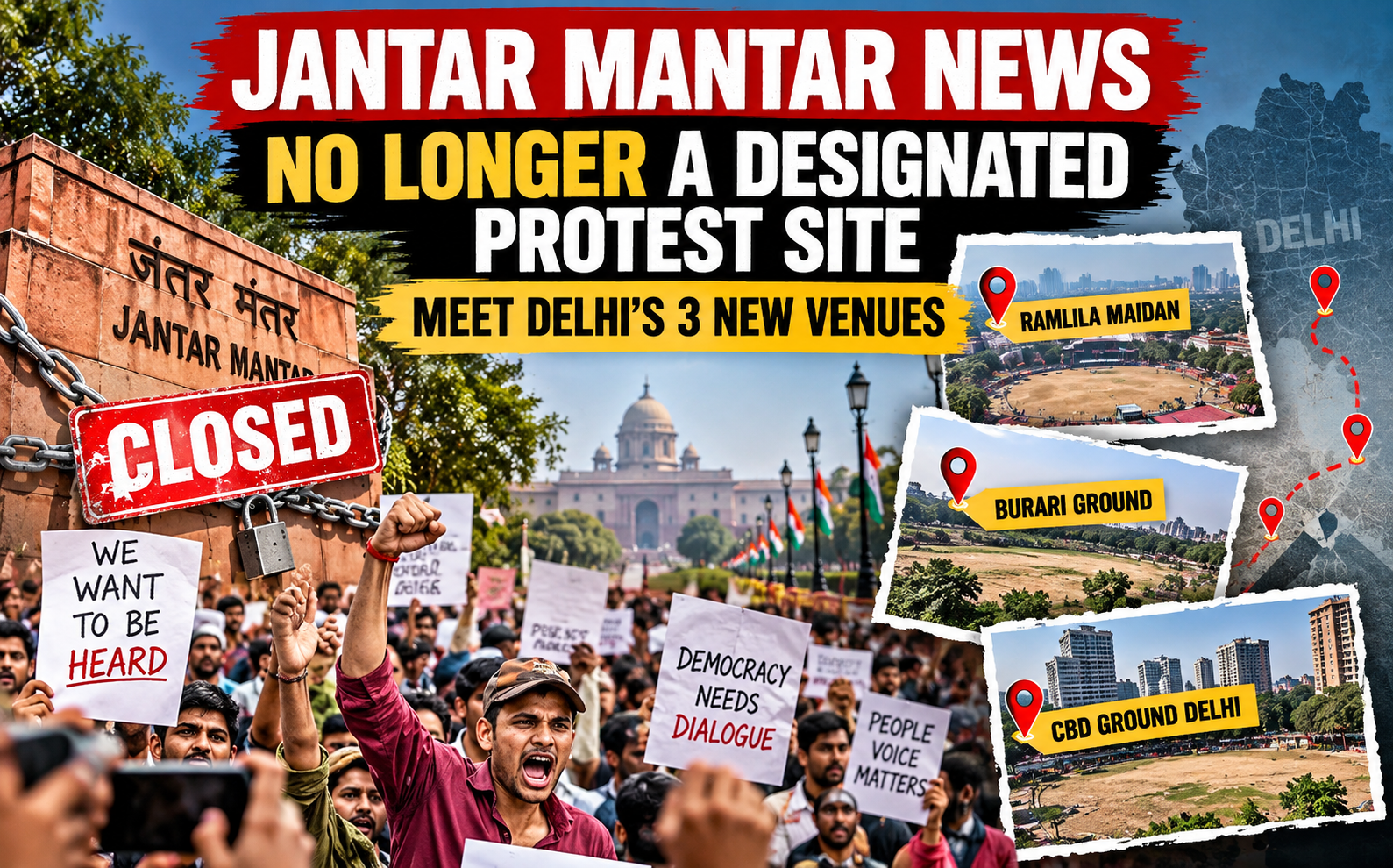
The Goa launch also brought attention to CJP's earlier protest at Delhi's Jantar Mantar.
Speaking at the campaign, CJP co-founder Abhijeet Dipke said he was surprised to learn that people in Goa had also taken to the streets to express solidarity with the party's protest in the national capital.
He said, "During our protest at Jantar Mantar, we had no idea that people in Goa were also taking to the streets to express solidarity with us."
His statement connected the Goa outreach with the party's earlier activities in Delhi. It also highlighted how CJP is attempting to build conversations with people outside the national capital.
It is worth noting that the claim about public support comes from Dipke's own remarks and should be understood in that context.
Several CJP representatives were associated with the Goa launch.
The key names include:
Shaikh particularly stressed the importance of bringing young people into public discussions. She pointed out that people often ask what the youth are doing, and the campaign aims to give them an opportunity to come forward and share their views.
This focus on young voices is relevant to conversations around education, jobs, infrastructure and the future of the state.
Yes. Before bringing 'Kya Bolti Public' to Goa, CJP had also organised an outreach meeting in Kerala.
On November 7, 2026, the party held a protest meeting titled 'Jantar Mantar at Kochi'. The event was part of its efforts to engage with people outside Delhi.
The Goa campaign follows that initiative and gives the party another opportunity to connect with residents over regional concerns.
While the themes and local issues may differ from one state to another, the broader objective remains public engagement and encouraging people to speak about matters that affect their daily lives.
The bigger question is what CJP plans to do with the concerns raised during its Goa campaign.
According to the party's November 21 announcement, the organisers intended to document public submissions and compile them into a proposed 'Goa Public Charter of Demands'. The announcement also mentioned plans to present the charter to the state administration.
However, details about the final submissions, the number of participants and whether the charter has been formally submitted have not been independently established in the reports reviewed.
The Goa campaign also comes weeks after Dipke's arrest in October in connection with the party's Jantar Mantar protest. News24 reported that he was subsequently granted conditional bail, while CJP leaders Saurav Das and Ashutosh Ranka were released after spending seven days in judicial custody.
These developments provide some background to the party's recent activities, although the legal proceedings and the Goa outreach are separate aspects of the story.
For now, the key question is whether the conversations started through 'Challa Kitem, Goa?' will translate into concrete follow-up discussions on the issues raised by residents.
CJP's 'Kya Bolti Public' campaign has brought its public outreach initiative to Goa with a simple invitation: speak up about what matters to you.
From land and environmental concerns to transport, education and employment, the campaign covers subjects that affect everyday life in the state. Its focus on bringing young people into these discussions also adds another dimension to the initiative.
Whether the campaign leads to meaningful follow-up action remains to be seen. But its Goa launch has put an important question on the table: are people's everyday concerns getting the attention they deserve?
Everything you need to know
No FAQs available for this blog.
Nov 23, 2026
TUI Staff
Nov 18, 2026
TUI Staff
Nov 11, 2026
TUI Staff
Nov 10, 2026
TUI Staff
Nov 23, 2026
TUI Staff
Nov 23, 2026
TUI Staff
Nov 21, 2026
TUI Staff
Nov 21, 2026
TUI Staff

Stay informed with independent, fact-checked journalism on technology, environment, government, economy and more. Independent and editorially reviewed since 2021.




Comments (0)
Be the first to comment!