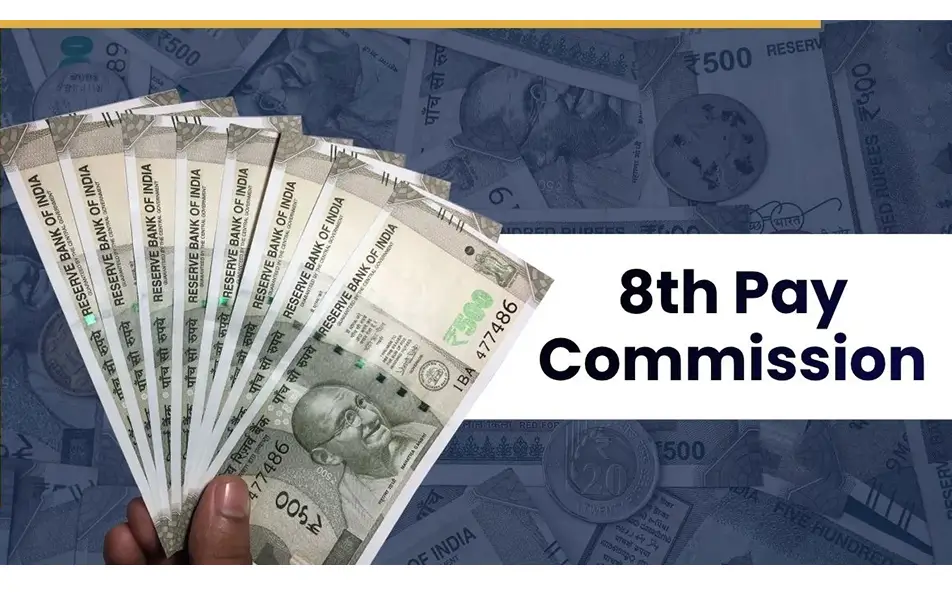
Millions of central government employees and pensioners are awaiting clarity on revised salaries and retirement benefits. The Eighth Pay Commission has an 18-month period to submit its recommendations, placing its expected reporting deadline around May 3, 2027. However, no fitment factor, revised minimum basic salary or final implementation date has been officially announced.
The latest 8th Pay Commission updates show progress in consultations, but not in approved salary figures. January 1, 2026 remains the government's normally expected effective date based on past practice. Whether revised payments and arrears will actually apply from that date is still undecided.
8th Pay Commission: What Has Officially Happened So Far?
The Union government formally constituted the Commission on November 3, 2025, following Cabinet approval of its terms of reference on October 28. The panel, chaired by former Supreme Court judge Justice Ranjana Prakash Desai, has been tasked with reviewing pay structures, allowances, pensions and related service conditions. The Eighth Pay Commission began collecting public feedback through an 18-question MyGov questionnaire on February 5, 2026. That exercise closed on March 31, while a separate process for employee memoranda and representations remained open until June 15.
Consultations continued across several cities, including Bengaluru on October 7–8 and Mumbai on October 22–23. These meetings allowed employee organisations and other stakeholders to present proposals, but they did not establish any revised salary structure. The Commission can also submit interim reports if recommendations on particular subjects are ready earlier. Nevertheless, its principal reporting window runs until approximately May 2027.
Enjoying this story? Get TUI's free newsletter: the news that matters, straight to your inbox. No spam, unsubscribe anytime. Subscribe free →
Why Salary Hikes and Pension Figures Remain Unconfirmed
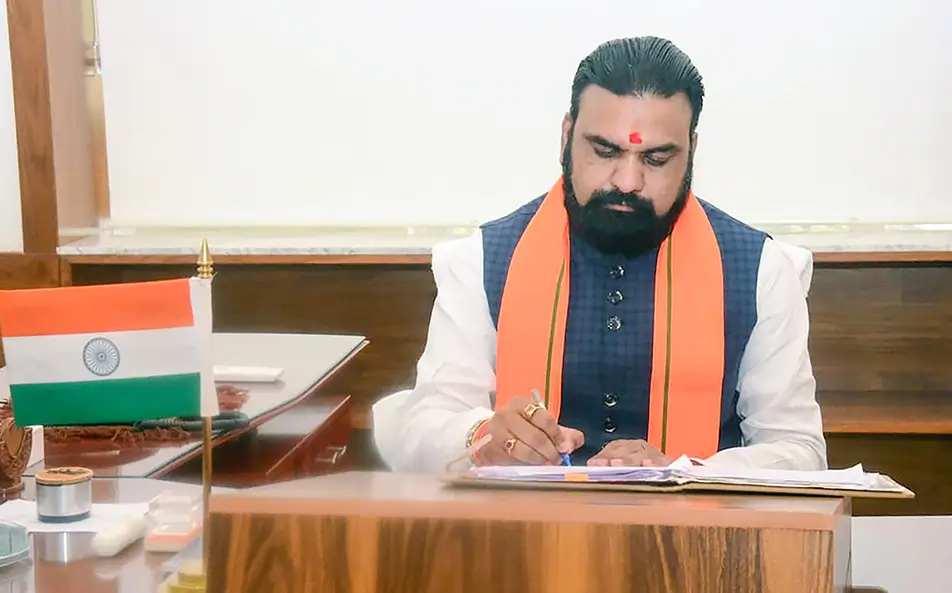
Despite increasing speculation, no official salary multiplier or revised pension formula has been approved. In a Lok Sabha reply on August 10, 2026, Minister of State for Finance Pankaj Chaudhary confirmed that the Commission had not submitted its recommendations. His response did not announce a fitment factor or implementation date.
Many 8th Pay Commission updates circulating online suggest substantial increases in basic pay. However, these projections should not be mistaken for government decisions.
For central government employees, the fitment factor is particularly important because it helps determine how existing basic salaries are converted into a new pay matrix. The previous commission adopted a factor of 2.57, but that does not establish the multiplier for the next revision. The Eighth Pay Commission must also consider pension-related issues. Any approved changes to basic pensions, family pensions or retirement benefits will depend on the recommendations and subsequent government decisions.
Will January 1, 2026 Be the Effective Date?
The government has indicated that January 1, 2026 would normally be the expected starting point for revised benefits, consistent with the recent ten-year pay-revision cycle.
However, an expected effective date and an actual payment date are different.
The Seventh Pay Commission's recommendations took effect retrospectively from January 1, 2016, after government approval. A similar arrangement remains possible this time, but it has not been guaranteed. Even if the 8th Pay Commission completes its report within the specified period, arrears would depend on the effective date authorised by the government. Employees should not assume that retrospective payments are already sanctioned.
₹69,000 Minimum Salary and 3.833 Fitment Factor Explained
The National Council–Joint Consultative Machinery staff side has reportedly proposed increasing the minimum basic salary to ₹69,000, using a fitment factor of 3.833.
Another employee organisation, Bharatiya Pratiraksha Mazdoor Sangh, has sought ₹72,000 and a factor of 4.0.
Both figures represent employee-side demands, not approved pay revisions. The government has not endorsed either proposal.
Separately, the Union Cabinet approved an increase in Dearness Allowance and Dearness Relief from 60% to 63%, effective July 1, 2026. This is a confirmed adjustment under the existing pay framework, not a new salary structure recommended by the Commission.
What Happens Next for Employees and Pensioners?
The next major milestone is the Commission's report, expected by early May 2027 under its current reporting window.
After receiving the recommendations, the government must assess their financial implications, determine which proposals to accept and issue the necessary implementation orders.
For central government employees and pensioners, the key questions remain unchanged: how much will basic pay and pensions rise, which fitment factor will apply, and when will revised payments begin?
Until official decisions are issued, proposed salary increases and retrospective arrears should be treated as possibilities rather than guaranteed benefits.













Comments (0)
Be the first to comment!