
Best Phone of 2026? These Five Flagships Are Leaving the Competition Behind
Five Phones Stand Out
 IN
Thu, Sep 24, 2026 | 09:45 AM IST
IN
Thu, Sep 24, 2026 | 09:45 AM IST

Buying a premium phone has become harder, not easier. Every launch promises a brighter screen, smarter software and cameras that can replace a separate device. The problem is that most expensive phones are now very good. Choosing between them depends less on one benchmark and more on the experience a person values every day. The first half of 2026 has produced several strong devices, even as component costs begin to shape prices. Companies still have yearly release schedules to follow, but only a few models have felt meaningfully different. The technology discussion has also moved beyond hardware. A social media ban planned by the UK government aims to protect children from online harm, while raising questions about the data Big Tech may collect through age checks. That matters because a phone is not just a device. It is the main doorway to platforms, advertising and personal information. Against that background, five models stand out. None is perfect. Each has a clear strength.
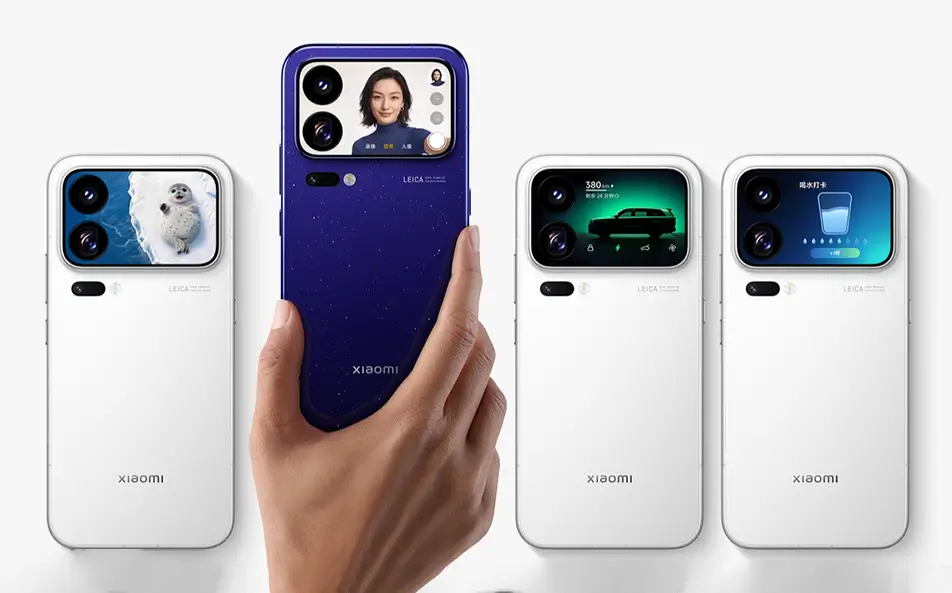
This is the camera-focused choice for people who prefer a natural photographic look. Its Leica-backed system includes a large one-inch main sensor, a 200-megapixel telephoto camera and zoom options designed to retain detail without making every image look heavily processed. Many phones brighten shadows, sharpen faces and boost colours before the user has opened the photograph. Xiaomi appears more interested in giving the hardware room to work. The result is a phone for buyers who want texture and realism rather than instant social-media drama. Its 120x digital zoom will attract attention, but the bigger story is the optical range and sensor design. For travellers, parents and anyone who takes more photographs than they play games, that difference can matter.
Samsung's flagship feels less like a reinvention and more like a careful correction of an already successful formula. The design remains familiar, the software is polished and long-time Galaxy users should feel at home. The most interesting addition is the Privacy Display. It limits what a person sitting beside the user can see from an angle. That sounds minor until someone has tried to read a private message on a crowded train or enter banking details in an airport lounge. Samsung also takes a restrained approach to artificial intelligence. Tools are present, but they do not interrupt every basic task. The weaker point is familiar camera hardware. Rivals are moving faster here, which makes Samsung's consistency feel reassuring and slightly cautious. Still, reliability counts. Many buyers want a phone that works well, receives updates and handles almost every task without fuss.
Motorola's first book-style foldable does not feel like an early experiment. First-generation products often arrive with awkward compromises, but this device appears more settled. It uses an 8.1-inch folding display, a Snapdragon 8 Gen 5 processor and a 6000mAh battery. Its cameras are also more serious than those found on many foldables, where thin bodies can force manufacturers to accept weaker sensors. The shape is its main attraction. Open it for reading, video or work, then close it into something easier to carry. Anyone who has tried to edit a document on a narrow phone screen will understand the appeal. Foldables still bring higher prices and more moving parts. Even so, this model shows that the category is becoming practical rather than merely impressive in a shop display.
Vivo's flagship is built around photography, particularly long-range shooting. Its ZEISS camera system is strong on its own, but optional telephoto extenders take the idea further. One reaches a 200mm equivalent view, while the larger version can reach 400mm. That creates two reactions. A keen photographer may see freedom. Someone else may see another object to carry and protect. The phone does not depend on those extras. Its standard camera system remains capable, while a software update has reportedly improved standby battery use. That matters because impressive cameras mean little when a phone loses too much power while sitting in a pocket. This model suits buyers who enjoy planning photographs and learning how different focal lengths change a scene.
Oppo's strongest argument is its Hasselblad-influenced camera system. The phone combines high-end imaging with a premium build, a large QHD+ display and a refresh rate that can reach 144Hz in supported situations. Early exposure concerns were addressed through a software update, a reminder that modern phone reviews can change after launch. A device may improve meaningfully once its first major fixes arrive. The vegan leather finish helps it look different from the usual glass slabs. More importantly, the camera system competes without requiring an external lens kit. That suits people who want advanced photography without turning every outing into a packing exercise.
There is no universal winner because these phones solve different problems. Xiaomi leans towards realistic photography. Samsung focuses on familiarity, privacy and dependable software. Motorola makes the foldable format feel mature. Vivo pushes mobile telephoto work further. Oppo balances premium design with a strong camera identity. The sensible choice begins with honest habits. A person who mostly messages, watches videos and checks email may not need an Ultra device. A photographer may value sensor quality more than gaming speed. A commuter may care about privacy and battery life. Someone working across documents may prefer a foldable screen. Most people know the routine. They open ten comparison tabs, study numbers for an hour and eventually return to the phone that felt comfortable in the hand. Specifications matter, but daily use decides whether an expensive purchase still feels good six months later. The strongest flagship is not always the one with the longest feature list. It is the one whose strengths match the buyer's routine and whose weaknesses are easy to live with.
At The United Indian, we look beyond launch claims and large numbers. A premium smartphone should solve everyday problems, not simply win a specification contest.
The strongest devices of 2026 show that camera design, privacy, battery life and foldable screens now matter more than adding artificial intelligence to every menu.
Follow The United Indian for clear technology stories that explain what new devices offer, where they compromise and who should consider buying them.
Everything you need to know
The Xiaomi 17 Ultra stands out for natural-looking photographs, while Vivo and Oppo offer stronger options for advanced zoom photography.
The Samsung Galaxy S26 Ultra is the strongest privacy-focused option because of its Privacy Display and polished security features.
The Motorola Razr Fold stands out with its large folding screen, powerful processor and 6000mAh battery.
The Vivo X300 Ultra offers the most ambitious telephoto setup, especially when used with its optional lens extenders.
Samsung is the safest all-round choice, but camera enthusiasts may prefer Xiaomi, Vivo or Oppo depending on their photography style.


Sep 22, 2026
TUI Staff
Sep 21, 2026
TUI Staff
Sep 16, 2026
TUI Staff
Sep 23, 2026
TUI Staff
Sep 22, 2026
TUI Staff
Sep 21, 2026
TUI Staff
Sep 21, 2026
TUI Staff

Stay informed with independent, fact-checked journalism on technology, environment, government, economy and more. India’s most trusted digital news platform.






Comments (0)
Be the first to comment!