
CJI Surya Kant Refuses Urgent Hearing on CJP Protest Plea, Says Court Has No Time to Watch Videos
Evidence Saved, Relief Delayed
 IN
Thu, Oct 22, 2026 | 03:50 AM IST
IN
Thu, Oct 22, 2026 | 03:50 AM IST

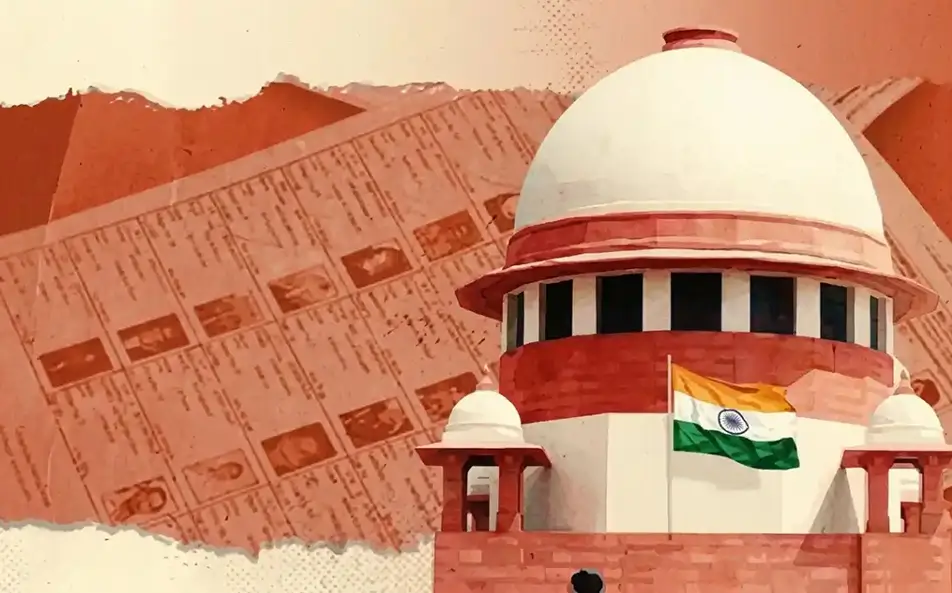
The Supreme Court on July 22, 2026, declined to urgently list a petition alleging police excesses during the Cockroach Janta Party’s Chalo Sansad march in Delhi. The plea sought court intervention over police action against students who had tried to march towards Parliament on July 20.
The matter was mentioned before a bench headed by CJI Surya Kant, with Justices Joymalya Bagchi and V. Mohana also on the bench. Advocate Narendra Mishra urged the court to examine video footage that allegedly showed protesters being assaulted during the crackdown. The bench declined urgent listing.
For many students and families watching the videos online, the court’s response raises a serious question: how quickly should constitutional courts step in when allegations of force against protesters surface during a national agitation?
The plea was mentioned before a bench of CJI Surya Kant and Justices Joymalya Bagchi and V Mohana on July 22. When the lawyer cited video evidence of police brutality on students and pushed for the matter to be listed the very next day, the CJI cut in, per The Federal: "Please don't waste our time and don't waste yours. Your time is more valuable than ours."
According to National Herald India, the CJI was blunter still: "We are not interested in videos; we don't have time to watch." The lawyer had told the bench, "I have the videos as well regarding police brutality... If it can be listed tomorrow (Thursday)... students are there," but the plea for urgent listing was not accepted.
The Delhi High Court had also declined an urgent hearing a day earlier. Chief Justice D.K. Upadhyaya reportedly told the petitioner not to drag the court into the matter while refusing urgent circulation.
But the High Court later passed an important preservation order. A bench of Chief Justice Upadhyaya and Justice Tejas Karia directed authorities to preserve CCTV footage, videography and other relevant records linked to the protest. It also sought responses from the Union Government and Delhi Police. The matter has been listed for hearing on September 11.
That order matters because it keeps the evidence trail alive. The court has not decided whether the police used disproportionate force, but it has ensured that official footage and records are not lost while the case moves forward.
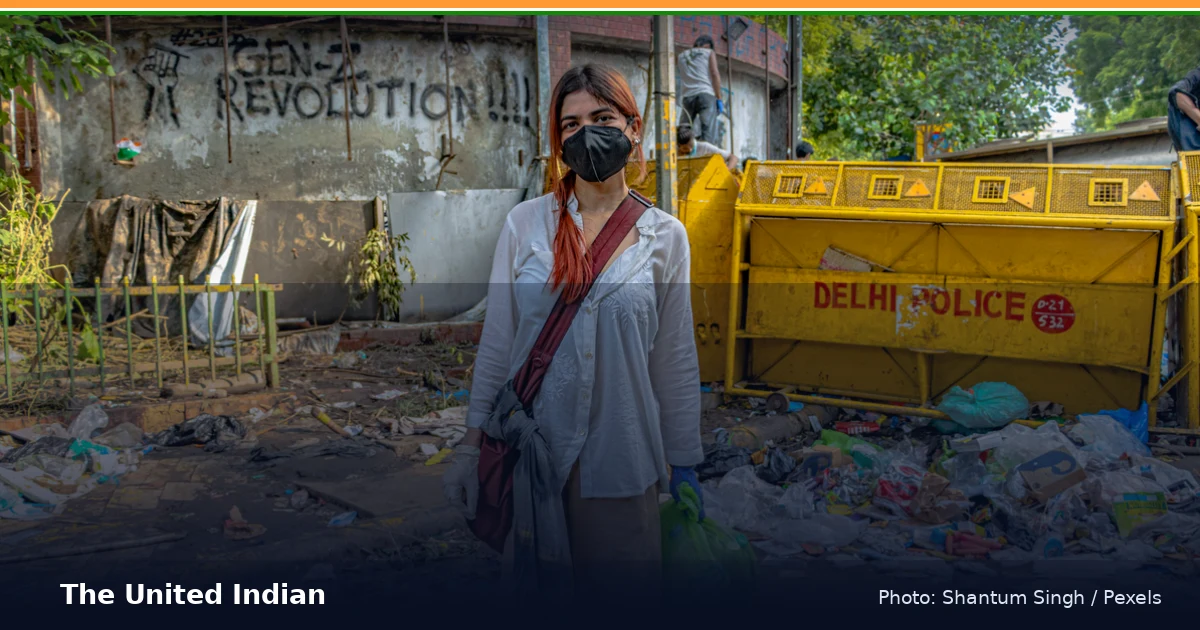
The Chalo Sansad march was organised by the CJP after weeks of protest and hunger strike at Jantar Mantar. The group has been demanding the resignation of Union Education Minister Dharmendra Pradhan over alleged paper leaks and reforms in the National Testing Agency.
On July 20, thousands of demonstrators tried to move from Jantar Mantar towards Parliament. Police stopped the march with multiple layers of barricades. When a large group tried to cross the barricades, security personnel used tear gas and lathi-charge to disperse the crowd, according to Hindustan Times.
Videos later circulated on social media showing protesters being hit by police personnel in riot gear. Police, however, said the crowd had turned violent and alleged that stones were thrown at security personnel, making force necessary.
The injury numbers remain contested. Hospital officials told Hindustan Times that at least 100 protesters received treatment after the crackdown. Delhi Police put the injured protester count at around 60. The report also said a 22-year-old woman injured during the action continued to remain in ICU at Ram Manohar Lohia Hospital, according to her family.
That difference in numbers is one reason the preservation of footage matters. Social media videos can show moments of force, but official footage, hospital records and police logs will be needed if the courts later examine whether the response was proportionate
Courts do not urgently list every petition, and the Supreme Court has wide discretion over what it hears immediately. But this case stands out because the allegations involve students, public protest and police action near Parliament.
The issue is not only whether one video proves police brutality. The larger question is whether courts should move faster when a protest turns violent and both sides give sharply different accounts.
The High Court’s preservation order offers a middle path. It does not give protesters immediate relief, but it prevents the evidence from disappearing before the legal process catches up.
The Union Government and Delhi Police will now have to respond before the Delhi High Court. The preserved CCTV footage, official videography and related records may become central if the court later examines the police action in detail.
For CJP and the student protest groups involved, the legal fight is now about accountability. For the police, it is about proving that the force used on July 20 was necessary to control the crowd.
For now, the Supreme Court has refused urgent intervention. The High Court has kept the evidence alive. Whether that becomes a real test of police accountability will depend on what the official records show when the matter is heard.
Everything you need to know
A bench headed by CJI Surya Kant said it was not interested in watching videos of the alleged police action and did not have time, telling the petitioner's lawyer not to waste the court's time, per Business Standard and The Federal.
Yes. A day after both the Supreme Court and Delhi High Court declined urgent hearings, the Delhi High Court ordered that all CCTV footage and video recordings from the July 20 protest be preserved, and sought responses from the Union Government and Delhi Police, per NewsX.
On July 20, 2026, students under the Cockroach Janta Party's 'Chalo Sansad' call marched toward Parliament demanding Education Minister Dharmendra Pradhan's resignation over exam irregularities, after a three-week hunger strike at Jantar Mantar. Security forces intercepted the march, and videos later showed police using force on protesters, per IBTimes India.


Oct 19, 2026
TUI Staff
Oct 19, 2026
TUI Staff
Oct 17, 2026
TUI Staff
Oct 17, 2026
TUI Staff
Oct 19, 2026
TUI Staff
Oct 19, 2026
TUI Staff
Oct 17, 2026
TUI Staff
Oct 17, 2026
TUI Staff

Stay informed with independent, fact-checked journalism on technology, environment, government, economy and more. India’s most trusted digital news platform.








Comments (0)
Be the first to comment!