
CJP Protests in Delhi: Centre Rushes 2,000 CRPF Personnel as Wangchuk Offers to End Fast
Security Rises, Talks Wait
 IN
Wed, Oct 21, 2026 | 03:19 AM IST
IN
Wed, Oct 21, 2026 | 03:19 AM IST

The Centre has ordered 20 additional companies of the Central Reserve Police Force into Delhi, officials said on Wednesday, July 22, 2026, as the national capital remains on alert amid the CJP protests in Delhi. The forces are being airlifted from West Bengal after the Ministry of Home Affairs ordered their immediate deployment on Tuesday night, according to Hindustan Times.
Each CRPF company has about 100 personnel, which means the latest deployment adds roughly 2,000 more security personnel to the capital. Officials said about 30 companies of the CRPF and its anti-riot unit, the Rapid Action Force, have now been provided to Delhi Police for law-and-order arrangements linked to the protest, political parties demonstrations and the ongoing Parliament session.
The biggest update is the CRPF deployment. Hindustan Times reported that 20 companies are being flown in from Kolkata to strengthen security in Delhi, where protests around Jantar Mantar and Parliament have kept central agencies on alert since July 20.
Cockroach Janta Party founder Abhijeet Dipke has criticised the move, asking whether the “students’ blood” from July 20 was not enough. He said CJP had not called supporters to gather anywhere except Jantar Mantar and alleged that any attempt to create trouble elsewhere should not be linked to the movement.
The other major development is Sonam Wangchuk’s latest offer to end his fast. In a letter to Union ministers J.P. Nadda and Jitendra Singh, Wangchuk said he would end his hunger strike if the government assures that no punitive or retaliatory legal action will be taken against students and young protesters who joined the movement, Rediff reported.
This is not routine reinforcement. CJP began as a satirical youth movement, but it has now become one of the loudest student-led agitations challenging the government over alleged NEET irregularities and paper leaks.
The group is demanding accountability in the examination system and the resignation of Union Education Minister Dharmendra Pradhan. The pressure has grown after the July 20 Chalo Sansad march, which turned into a confrontation between protesters and police near Parliament.
Officials say the latest deployment was required because of multiple violent clashes during the recent demonstrations. But CJP leaders argue that the heavier security presence risks further escalating a protest that they say is being held peacefully at Jantar Mantar.
The Chalo Sansad march on July 20 brought thousands of protesters towards Parliament on the first day of the Monsoon Session. Al Jazeera reported that more than 10,000 people joined the march, while police used tear gas and batons after protesters tried to move through barricades.
Delhi Police said 118 security and police personnel were injured during the clashes, while around 60 protesters were also hurt, according to reports citing police figures. TOI reported that around 70 protesters were detained and that legal action was being prepared.
The protest also disrupted public movement in central Delhi. Economic Times reported that several Delhi Metro stations, including Rajiv Chowk, Janpath, Patel Chowk and Central Secretariat, were temporarily closed due to security concerns linked to the agitation.
Dipke has now said the movement has not called for any gathering outside Jantar Mantar. According to TOI, he issued a late-night clarification saying the protest was continuing peacefully at Jantar Mantar and that anyone trying to create disturbance elsewhere was not with the party.
That clarification matters because the Centre is increasing security even as CJP says it is not planning another march through central Delhi. The focus now appears to be on guarding Parliament, controlling access to key zones and preventing another confrontation during the rest of the Monsoon Session.
CJP spokesperson Ashutosh Ranka has said the agitation will continue until Pradhan resigns. The party also claimed that thousands of protesters remained at Jantar Mantar on Wednesday morning.
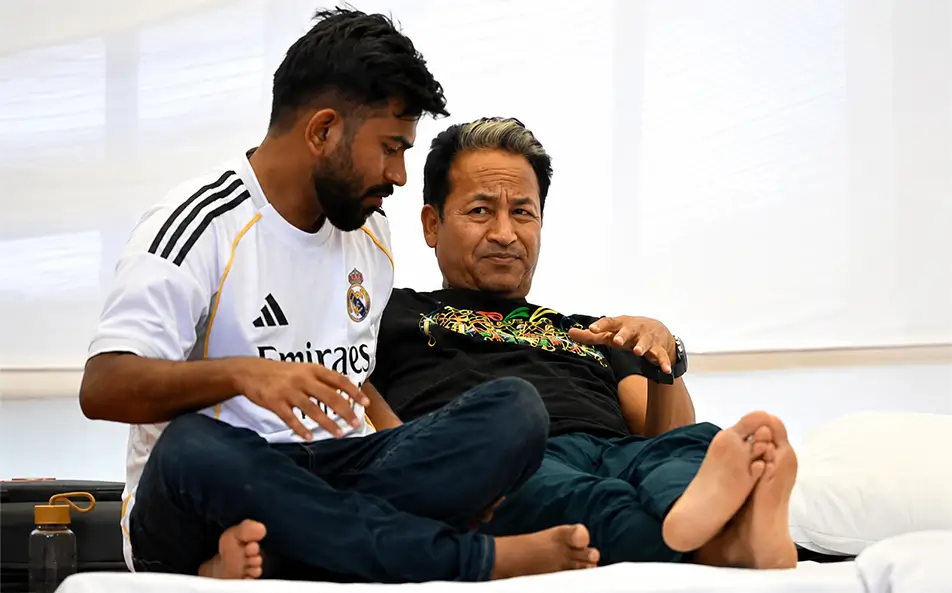
Sonam Wangchuk remains central to the protest’s moral pressure. He joined the agitation on June 28 and has continued his hunger strike from Medanta Hospital after being shifted there from Safdarjung Hospital following a Delhi High Court order, TOI reported.
His latest letter changes the immediate stakes. Rediff reported that Wangchuk has said he wants to end his fast and “live,” but cannot do so at the cost of the young people for whom the movement began. He has asked for a clear government assurance that protesters will not face punitive action.
He also said Nadda and Jitendra Singh had assured him that the government would positively consider compensation for families of students who died by suicide after the alleged paper leak, and a meaningful discussion in Parliament on accountability, including Pradhan’s resignation.
The immediate question is whether the government responds to Wangchuk’s condition. If it gives a written or public assurance against punitive action, the hunger strike may end. If not, the fast could continue even as doctors monitor his health at Medanta.
On the streets, the protest has entered a more controlled phase. The Centre has brought in more forces, CJP says it will remain at Jantar Mantar, and Delhi Police now has a larger security cushion around Parliament and central Delhi.
The larger question remains unchanged: can CJP protests in Delhi keep pressure on the government without another march, or will the heavy security build-up trigger fresh confrontation? For now, the movement has moved from one dramatic street clash to a slower test of negotiation, endurance and public sympathy.
If the Centre accepts Wangchuk’s condition, the standoff may cool. If it refuses, CJP protests in Delhi could become the defining flashpoint of this Monsoon Session
Everything you need to know
The Centre has ordered 20 additional CRPF companies into Delhi amid continuing CJP protests and security concerns around Jantar Mantar, Parliament and the Monsoon Session.
Each CRPF company has about 100 personnel, so 20 additional companies add roughly 2,000 security personnel.
CJP is demanding accountability over alleged NEET irregularities and paper leaks, along with the resignation of Union Education Minister Dharmendra Pradhan.
Sonam Wangchuk has offered to end his fast if the government assures that students and young protesters will not face punitive or retaliatory legal action.




Oct 19, 2026
TUI Staff
Oct 19, 2026
TUI Staff
Oct 17, 2026
TUI Staff
Oct 17, 2026
TUI Staff
Oct 19, 2026
TUI Staff
Oct 19, 2026
TUI Staff
Oct 17, 2026
TUI Staff
Oct 17, 2026
TUI Staff

Stay informed with independent, fact-checked journalism on technology, environment, government, economy and more. India’s most trusted digital news platform.








Comments (0)
Be the first to comment!