
Woman Says Ex-Husband Used BMW App to Track Her, Start Car Remotely
A connected-car safety dispute raises questions about revoking digital access after separation.
 IN
Thu, Oct 15, 2026 | 04:01 PM IST
IN
Thu, Oct 15, 2026 | 04:01 PM IST


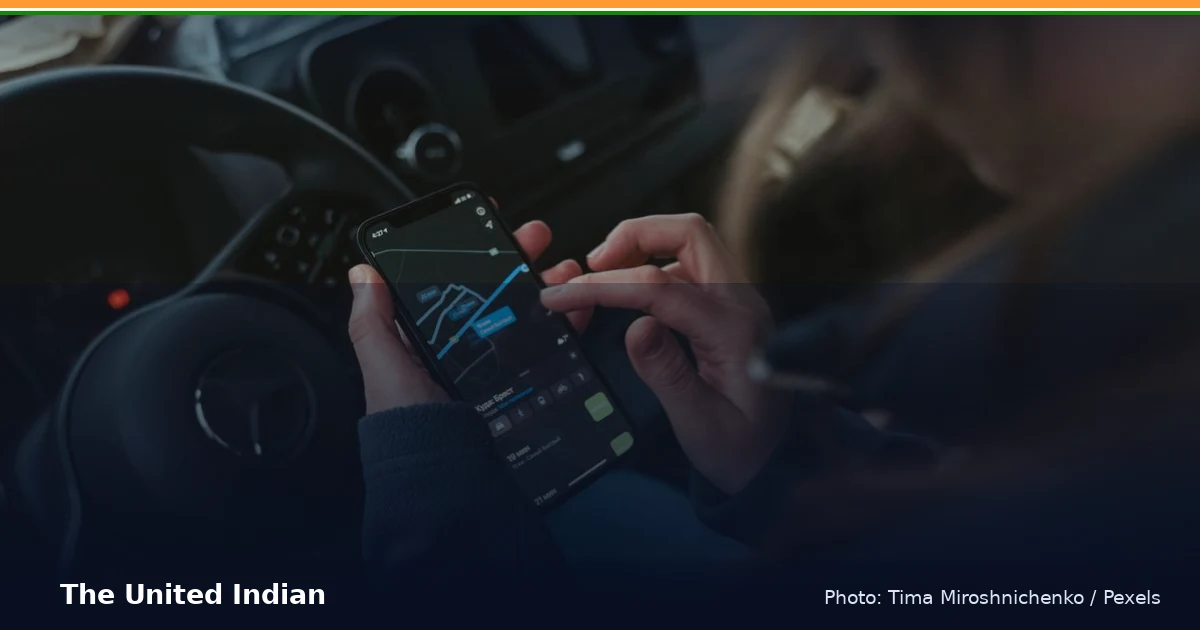
A woman identified by the pseudonym Jane says her ex-husband used the BMW app to track her location and remotely start her vehicle's engine after their separation. She eventually purchased another car to escape the alleged harassment, she told Forbes in a report published on October 6, 2026.
The case highlights a growing concern about connected vehicles. A smartphone app designed for convenience, including remote unlocking and car tracking, can become a tool for harassment when former partners retain digital access after a relationship ends.
According to Hindustan Times, Jane alleged that her BMW's doors and windows would open unexpectedly, while its engine sometimes started without her intervention. She eventually discovered that her former husband still had access to the vehicle through its connected services. She claimed he could remotely open doors and windows, start the engine and access the vehicle's location tracking features.
Jane told Forbes that she visited a BMW dealership carrying police reports, a protective order, divorce documents and proof of vehicle ownership. She requested that staff remove her ex-husband's access, but the dealership reportedly said it lacked the ability to do so. Unable to resolve the situation, she eventually purchased another vehicle after paying off $10,000 remaining on her BMW.
BMW spokesperson Jay Hansen told Forbes that the company's customer service team has established procedures to handle urgent personal safety concerns, including removing unauthorised or abusive account users when appropriate. However, Hansen also said BMW had no record of anyone from Jane's area contacting its customer service department about the issue. He noted that dealerships operate independently, which may explain why local staff could not resolve her complaint.
This distinction raises questions about whether vehicle owners facing harassment can quickly revoke another person's digital access. Hindustan Times reported on October 15 that Jane's former husband was jailed following an assault involving a firearm. The imprisonment was connected to threats and the weapon-related assault, not a conviction specifically for misuse of the vehicle's connected features.
Connected-car technology is becoming increasingly common in India. Manufacturers including BMW, Hyundai, Mahindra and Tata offer vehicles with digital services that may support remote locking, vehicle status checks, climate control and location tracking, depending on the model. These features make everyday driving more convenient, but shared access can create security risks when relationships end. A smartphone app linked to a vehicle can effectively function as a digital key. Unlike a physical key, however, access may remain active until the owner changes account permissions or the manufacturer intervenes. BMW India's official customer support page explains that primary users can manage and remove joint users through the My BMW application on supported vehicles. Owners concerned about car tracking should review linked accounts, remove unfamiliar users and contact the manufacturer's customer support team if they cannot revoke access independently.
For now, there is no independently verified Indian case directly matching Jane's reported experience. However, her account highlights an important concern: digital access to a connected vehicle should not remain beyond the owner's control. The broader lesson extends beyond one manufacturer. Automakers need clear, accessible procedures for removing users when ownership, relationships or personal safety circumstances change.
For people experiencing harassment, proof of ownership and relevant legal documents should trigger a prompt safety review. The technology that makes connected cars convenient must also give owners reliable control over who can access their vehicles.
Everything you need to know
According to Forbes and Hindustan Times, Jane's ex-husband allegedly retained access to her BMW's smartphone app after their separation and used it to track her location, open doors and windows, and remotely start the car's engine.
Jane told Forbes that dealership staff said they could not remove the former husband's access through the dealership's own system, even after she provided police reports, a protective order and divorce documentation. BMW spokesperson Jay Hansen said the company has separate escalation procedures for such cases but had no record of anyone from Jane's area contacting BMW directly.
Hindustan Times reported on October 15, 2026, that Jane's ex-husband was jailed, with the alleged use of the BMW app to remotely access her vehicle forming part of the case against him.






Oct 15, 2026
TUI Staff
Oct 14, 2026
TUI Staff
Oct 13, 2026
TUI Staff
Oct 15, 2026
TUI Staff
Oct 15, 2026
TUI Staff
Oct 14, 2026
TUI Staff
Oct 13, 2026
TUI Staff

Stay informed with independent, fact-checked journalism on technology, environment, government, economy and more. India’s most trusted digital news platform.



Comments (0)
Be the first to comment!