
Delhi HC Turns Away Urgent Plea, to Hear Jantar Mantar Surveillance Case Against CJP Protest
Protest Under Watch
 IN
Fri, Oct 16, 2026 | 05:42 PM IST
IN
Fri, Oct 16, 2026 | 05:42 PM IST

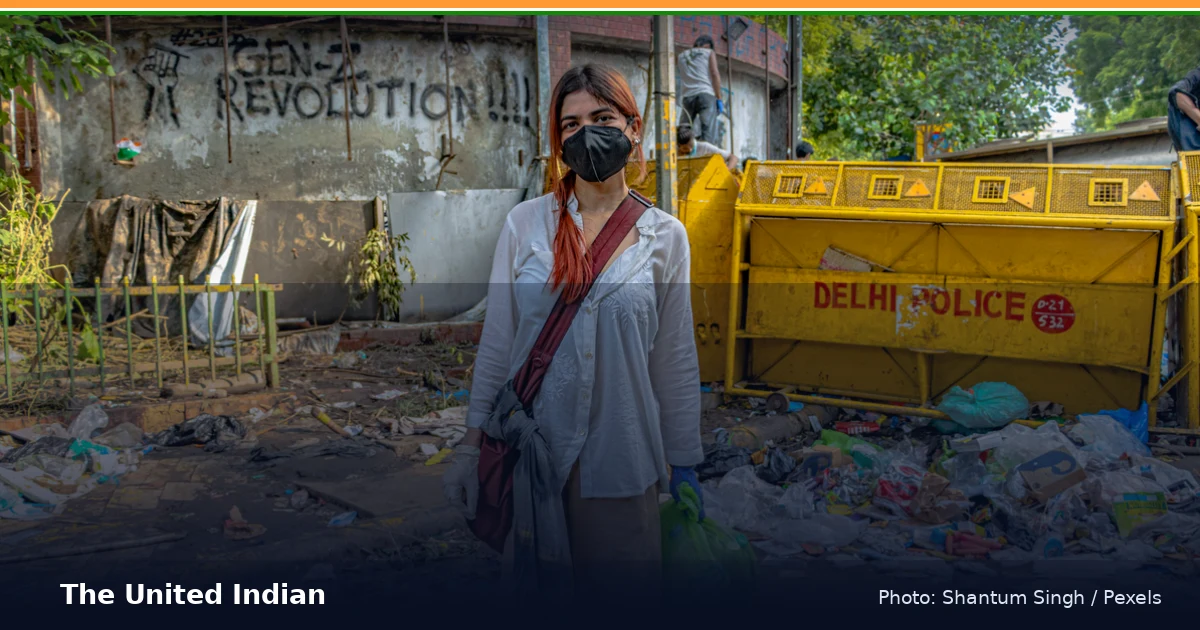
The Delhi High Court has now dealt with two separate pleas linked to the Cockroach Janta Party’s Jantar Mantar protest. Both were presented as urgent. Both were not taken up immediately. But they raise very different questions.
The first plea, filed before the June 6 rally, wanted preventive action against the protest. The second, filed by former JNUSU president Aishe Ghosh, challenges alleged continuous surveillance of protesters already sitting at Jantar Mantar. That difference matters because one case was about what might happen, while the other is about what protesters say is already happening.
On June 5, 2026, a Delhi High Court vacation bench of Justices Saurabh Banerjee and Amit Sharma declined to grant an urgent hearing to a PIL filed by NGO Save India Foundation, according to Bar and Bench. The NGO wanted preventive and crowd-control measures ahead of CJP's June 6 rally at Jantar Mantar.
Per the Free Press Journal, the plea had sought deployment of security measures at IGI Airport, metro stations and highway entry points, plus directions to restrict, regulate or relocate the CJP gathering altogether. The bench was not persuaded this needed urgent attention a day before the rally.
A different petition reached the court in July. This time, the issue was not crowd control before a protest. It was alleged surveillance during an ongoing sit-in.
Former JNU Students’ Union president Aishe Ghosh moved the Delhi High Court alleging that Delhi Police had subjected CJP protesters at Jantar Mantar to continuous photography, videography and round-the-clock monitoring. According to Hindustan Times, her lawyer Nandita Rao requested that the matter be heard immediately on Friday, July 17.
The bench of Chief Justice D.K. Upadhyaya and Justice Tejas Karia declined to urgently hear the matter that day. However, it listed the petition for hearing on Monday. That means the plea has not been dismissed. It has only not been taken up on an emergency basis.
The petition claims that protesters have been monitored since the CJP sit-in at Jantar Mantar began on June 20. It alleges continuous photography, videography and surveillance through a permanent tower installed at the protest site.
The plea says the monitoring goes beyond documenting the protest. It allegedly captures routine activities such as eating, resting and seeking medical help. The petition argues that this has created an atmosphere of fear and has discouraged students from joining the protest.
It also alleges that police personnel threatened to send protesters’ photographs and videos to their parents, guardians and educational institutions. Bar and Bench reported that the plea describes this as a chilling tactic meant to deter participation.
The case raises privacy and free-speech questions. The petition relies on the Supreme Court’s privacy framework and argues that any surveillance must meet the tests of legality, necessity and proportionality. It asks the court to examine the legal basis for the monitoring, the data-retention rules and the extent of police recording at the site.
The surveillance dispute is unfolding around a protest that has already become a national story. The Cockroach Janta Party has been demanding the resignation of Union Education Minister Dharmendra Pradhan over alleged examination irregularities and paper leaks.
Climate activist Sonam Wangchuk joined the protest on June 28 and began an indefinite hunger strike. The Delhi High Court had already directed authorities to monitor his health daily and provide medical intervention if needed.
On July 18, Delhi Police moved Wangchuk to hospital after his condition worsened. Police said the shift followed medical advice and the court’s order. CJP leaders alleged that he was taken away by force. Reuters reported that Wangchuk was conscious and his vitals were stable in hospital, citing ANI.
The surveillance PIL was expected to be heard on Monday, July 20. Whether the court orders the tower dismantled, demands disclosure of its legal basis, or takes a narrower view will decide how much room protesters like those camped at Jantar Mantar actually have to be watched, and how much they don't.
Everything you need to know
No. The Delhi High Court declined urgent hearing only on an earlier, separate plea by NGO Save India Foundation on June 5, 2026, which sought crowd-control measures ahead of CJP's June 6 rally. A later, distinct PIL by Aishe Ghosh alleging police surveillance of protesters was accepted for urgent hearing on July 17, 2026.
It alleges a permanent surveillance tower was installed at Jantar Mantar without disclosed legal authority, that police threatened to send protesters' photos to their parents and colleges, and that women protesters were filmed while in wet clothing during rain due to inadequate shelter.
Sonam Wangchuk is a climate activist who joined the CJP sit-in at Jantar Mantar on June 28, 2026 with an indefinite hunger strike. By the protest's 27th day he had reportedly lost 9 kg, and the Delhi High Court has directed authorities to monitor his health daily.



Oct 15, 2026
TUI Staff
Oct 15, 2026
TUI Staff
Oct 14, 2026
TUI Staff
Oct 15, 2026
TUI Staff
Oct 15, 2026
TUI Staff
Oct 15, 2026
TUI Staff
Oct 14, 2026
TUI Staff

Stay informed with independent, fact-checked journalism on technology, environment, government, economy and more. India’s most trusted digital news platform.






Comments (0)
Be the first to comment!