
Child Protection Panel to Probe Meta Over Sexual Content: Everything You Need to Know
Understanding why this Child Protection inquiry could shape the future of online safety and platform accountability in India.
 IN
Sat, Sep 19, 2026 | 07:44 PM IST
IN
Sat, Sep 19, 2026 | 07:44 PM IST


Can one advertisement change the way governments regulate social media? That's the question India is now grappling with after a series of allegations involving Meta platforms sparked the attention of the country's top child rights body. What began as an investigative report has now evolved into a formal inquiry that could influence how technology companies handle online safety, especially when children are involved.
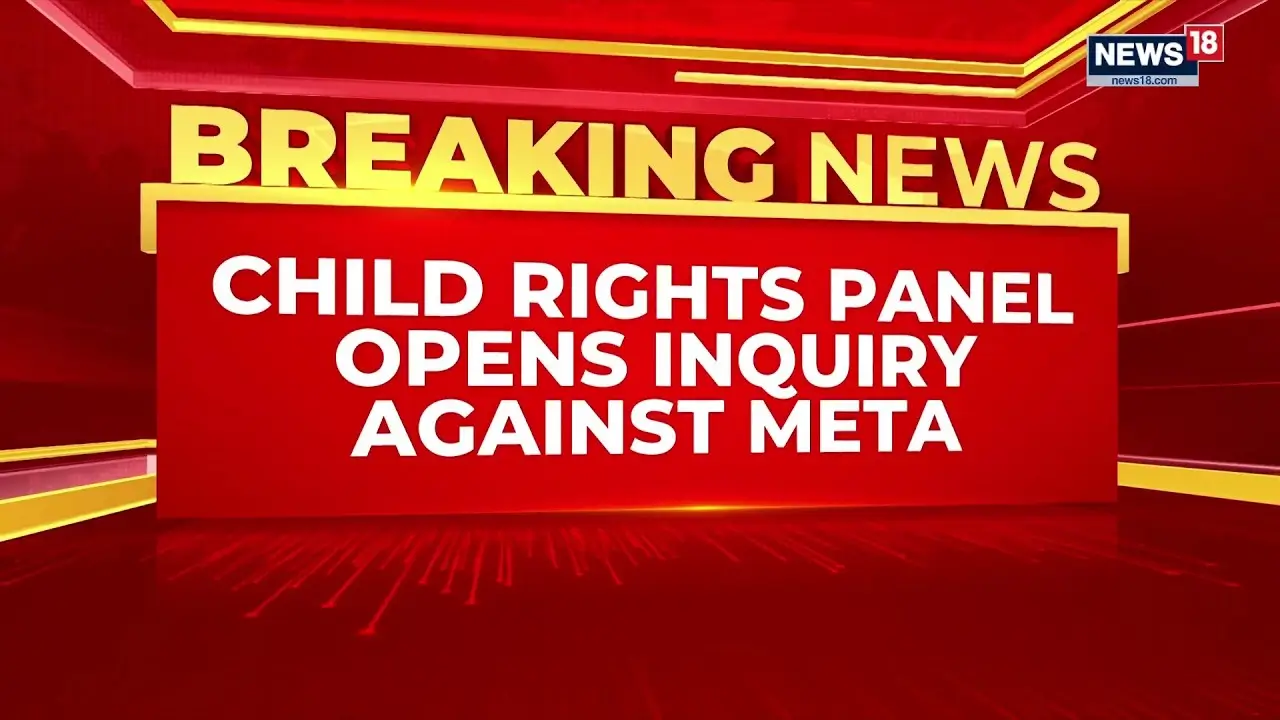
The National Commission for Protection of Child Rights (NCPCR) has initiated an inquiry into allegations that advertisements on Meta platforms were linked to Child Sexual Exploitative and Abuse Material (CSEAM). The development follows a BBC Eye investigation and subsequent regulatory action by Indian authorities. While the inquiry is still underway and no conclusions have been reached, the case has opened up important discussions on platform accountability, child safety, artificial intelligence, and the future of digital governance.
If you've been following the headlines but are wondering what exactly happened and why it matters, here's everything you need to know.
The National Commission for Protection of Child Rights is India's statutory body responsible for safeguarding the rights and well-being of children. After taking suo motu cognisance of a BBC Eye investigation, the NCPCR issued a notice to Meta seeking an explanation over allegations that certain paid advertisements on Instagram were connected to Child Sexual Exploitative and Abuse Material.
According to publicly reported information, Meta submitted its response within a week. After reviewing the company's explanation, the Commission decided to launch a formal inquiry to establish the facts. It is important to emphasise that this is an ongoing investigation, and the inquiry does not mean Meta has been found guilty of any legal violation.
Img Src : Youtube
The controversy unfolded through a series of developments:
Together, these actions show that multiple institutions are examining different aspects of the issue.
Many readers may notice the use of Child Sexual Exploitative and Abuse Material instead of older terminology. Child protection organisations increasingly prefer this term because it recognises that every image or video represents the abuse and exploitation of a child rather than consensual content.
The creation, possession, distribution, or promotion of Child Sexual Exploitative and Abuse Material is illegal under Indian law and international child protection standards. This distinction is important because the allegations involve potential crimes against children-not ordinary content moderation disputes.
The BBC Eye investigation alleged that paid advertisements appearing on Instagram contained keywords that redirected users to external channels where illegal material was allegedly being offered. These allegations have raised questions about how such advertisements could have passed through an advertising review system operated by one of the world's largest technology companies.
The purpose of the ongoing inquiry is to determine whether existing moderation systems functioned effectively, whether legal obligations were fulfilled, and whether any violations occurred. Until the investigation concludes, the allegations remain under official examination.
Img Src : Twitter
Meta has publicly stated that it has zero tolerance for child exploitation and invests heavily in automated detection systems, artificial intelligence, and specialist safety teams to identify and remove harmful content.
The company submitted its response to the Commission after receiving the notice and has stated that it continues to cooperate with the authorities. While the complete contents of Meta's reply have not been made public, the decision to proceed with a formal inquiry indicates that regulators believe additional fact-finding is necessary.
The issue extends beyond a single platform. Indian authorities have indicated that the discussions with Meta will also cover broader concerns, including AI-generated content, platform responsibility, and safeguards around content moderation.
IT Secretary S. Krishnan observed that a company at the forefront of technology should have systems capable of preventing such failures. Around the same time, a separate controversy involving the temporary restriction of Prime Minister Narendra Modi's Facebook reel also led to political criticism of Meta's moderation processes. Although unrelated to the allegations under investigation, it has added to the wider debate about transparency and accountability on large social media platforms.
The inquiry may examine compliance with several legal provisions, including the Protection of Children from Sexual Offences (POCSO) Act, which contains mandatory reporting obligations in certain situations involving offences against children.
The investigation could also involve responsibilities under the Information Technology Act, 2000, particularly those applicable to digital intermediaries. Some political leaders have referred to the "safe harbour" protections available under Section 79 of the Act, although no decision has been announced regarding any change to those protections.
The child protection debate surrounding this case is bigger than one company. It reflects a global challenge: how can governments, technology companies, parents, educators, and civil society work together to make digital spaces safer for children?
As online advertising systems become increasingly automated and AI plays a larger role in moderation, the need for stronger safeguards becomes even more important. Effective reporting systems, quicker responses, cooperation with law enforcement, and continuous improvements in safety technology are essential for preventing online exploitation.
The child protection concerns highlighted by this inquiry also remind us that technology companies have a responsibility that extends beyond innovation - they must ensure that their platforms are equipped to identify and respond to serious harms affecting vulnerable users.
The inquiry by the National Commission for Protection of Child Rights will continue to examine the available evidence, Meta's response, and the effectiveness of existing safeguards. Separately, the NHRC's directions to the Delhi Police and the government's engagement with Meta's leadership are expected to shape the next phase of regulatory discussions.
Whatever the final findings, the case is likely to influence future conversations around child protection, digital governance, responsible AI, and platform accountability in India. For users, the biggest takeaway is clear: protecting children online requires constant vigilance, stronger systems, and cooperation between regulators, technology companies, and society as a whole.
Editorial Note & Disclaimer : This article is based on publicly available reports and official statements. The inquiry is ongoing, and no authority has reached a final conclusion regarding the allegations at the time of writing.
Everything you need to know
The National Commission for Protection of Child Rights (NCPCR) has launched an inquiry after allegations that advertisements on Meta-owned Instagram were linked to Child Sexual Exploitative and Abuse Material (CSEAM). The investigation aims to determine whether any legal or regulatory obligations were violated.
Child Sexual Exploitative and Abuse Material (CSEAM) refers to any visual or digital content that depicts the sexual abuse or exploitation of children. The term is preferred over "child pornography" because it accurately reflects the abusive nature of the material and is illegal under Indian and international laws.
No. The inquiry is still ongoing. The NCPCR has initiated a fact-finding investigation, and no authority has concluded that Meta violated any laws at the time of publication.
The case has raised broader questions about online child safety, content moderation, artificial intelligence, and the responsibility of large technology companies to detect and prevent harmful content on their platforms.
Depending on the findings, authorities may recommend stronger safeguards, improved content moderation practices, or regulatory measures to enhance child safety on digital platforms. Any future action will depend on the outcome of the ongoing investigation.




Sep 19, 2026
TUI Staff
Sep 19, 2026
TUI Staff
Sep 19, 2026
TUI Staff
Sep 18, 2026
TUI Staff
Sep 19, 2026
TUI Staff
Sep 19, 2026
TUI Staff
Sep 17, 2026
TUI Staff
Sep 17, 2026
TUI Staff

Stay informed with independent, fact-checked journalism on technology, environment, government, economy and more. India’s most trusted digital news platform.





Comments (0)
Be the first to comment!