
PMOS Diet and Lifestyle Tips: What to Eat, How to Move and Why Stress Matters
Simple Habits, Better Balance
 IN
Fri, Sep 18, 2026 | 09:43 PM IST
IN
Fri, Sep 18, 2026 | 09:43 PM IST

Women living with PMOS do not necessarily need an extreme diet or an exhausting exercise plan. Nutritionist Deepsikha Jain recommends focusing on three practical areas: protein, peace of mind and physical activity.
Her advice offers a simple framework, but it should not be treated as a replacement for medical care. PMOS can affect menstrual cycles, fertility, metabolic health, skin and emotional wellbeing, and treatment should be personalised according to each person’s symptoms and health risks.
PMOS stands for polyendocrine metabolic ovarian syndrome. It is the new name for the condition previously known as polycystic ovary syndrome, or PCOS. The change was announced in May 2026 after years of consultation involving patients, researchers and professional medical organisations. The new term reflects that the condition is not simply about ovarian cysts. It can affect hormones, metabolism, reproductive health, skin and mental wellbeing. The transition to the new name will take time. Medical organisations expect PMOS terminology to be fully incorporated into the updated international guideline in 2028.
Diagnosis still generally requires two of three features after other possible causes have been excluded:
In adults, anti-Müllerian hormone may sometimes be used as an alternative to ultrasound. The diagnostic approach is different for adolescents because irregular cycles and ovarian changes can be part of normal puberty.
The first habit recommended by the Nutritionist is adding a suitable protein source to regular meals. Indian meal options may include dals, beans, curd, paneer, tofu, nuts, seeds or eggs, depending on dietary preferences and individual tolerance. Protein can make meals more satisfying and may support steadier glucose responses when eaten as part of a balanced meal.
Jain links this advice to blood sugar regulation and metabolic health. Her recommendation is based on the role that glucose and insulin can play in the condition.
However, there is no single protein target or meal plan that is appropriate for everyone. Requirements can differ according to age, activity level, medical history and overall diet.
Insulin resistance is an important feature of PMOS, but it does not affect every person in exactly the same way. Insulin helps move glucose from the blood into the body’s cells. When cells respond less effectively to it, the body may produce more insulin to maintain normal glucose levels. This can interact with androgen levels and other metabolic features of the condition.
The international guideline recognises insulin resistance as a key biological factor. However, it also notes that commonly available insulin tests are not accurate enough to be recommended routinely for diagnosing or monitoring the condition. A clinician may instead assess glucose-related risks using appropriate tests and consider family history, symptoms and other health factors.
The second “P” is peace of mind. According to Jain, ongoing stress may affect inflammation, sleep, eating habits and hormonal health. She recommends making stress-management practices part of everyday life rather than waiting until stress becomes overwhelming. Helpful practices may include adequate sleep, gentle breathing exercises, time outdoors, journaling or speaking with a qualified mental-health professional.
This part of PMOS care should not be dismissed as optional. International guidance recognises that anxiety, depression, body-image distress and eating disorders are more common among people with the condition. Emotional wellbeing should therefore be considered alongside physical symptoms. Stress reduction cannot cure PMOS, but it may support sleep, daily routines and overall quality of life.
The third habit is regular physical activity. Jain recommends combining strength training with walking. Resistance exercises involve working the muscles against some form of load, which may include bodyweight movements, resistance bands or supervised weight training. Exercise can support glucose use, cardiovascular fitness, muscle health and general wellbeing. It may also contribute to improved blood sugar regulation and insulin sensitivity. However, no single exercise style has been shown to be best for every person with PMOS. International guidance recommends sustainable movement based on individual preferences and abilities
For adults, general guidance includes aerobic activity across the week and muscle-strengthening activity on at least two non-consecutive days. Anyone with pain, medical limitations or little previous exercise should seek professional advice before beginning an intensive programme.
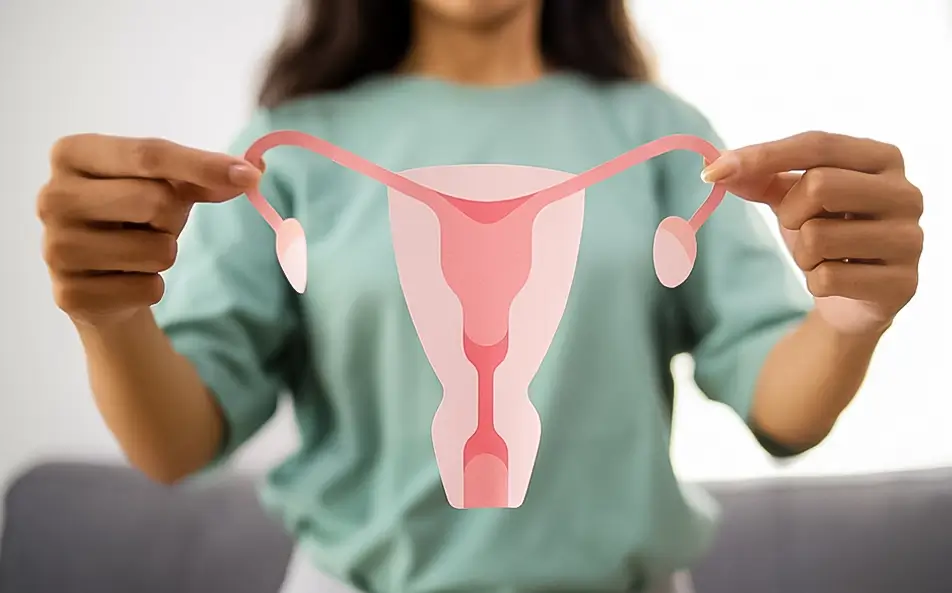
The linked Hindustan Times report does not advise women to remove gluten, milk or dairy products. Current evidence-based guidance also does not recommend a universal gluten-free, dairy-free or highly restrictive diet for everyone with PMOS. No single diet composition has demonstrated superior metabolic, hormonal, reproductive or psychological outcomes for all patients. People with coeliac disease, allergies, intolerances or other diagnosed conditions may need specific dietary changes. Those decisions should be based on individual symptoms and medical advice rather than a blanket claim that certain foods are inflammatory for every woman.
Healthy eating, physical activity and emotional wellbeing form a core part of PMOS management. Their benefits can occur even without changes in body weight.
However, lifestyle habits cannot replace every form of treatment. Some people may also need medicines for irregular periods, acne, excess hair growth, glucose-related risks or fertility concerns. The right approach depends on the person’s symptoms, reproductive plans, age and medical history. Shared decision-making with a gynaecologist, endocrinologist or another qualified healthcare professional remains important.
The three recommendations can be translated into practical, flexible routines:
These habits may support metabolic and hormonal health, but they do not provide a universal cure or guarantee the same results for everyone. The central message is consistency rather than restriction. PMOS care works best when routines are sustainable, medically appropriate and adapted to the individual rather than copied from a rigid online plan.
Everything you need to know
PMOS stands for polyendocrine metabolic ovarian syndrome. It is the new name for the condition earlier known as PCOS, reflecting that it affects hormones, metabolism and reproductive health, not only the ovaries.
PCOS was renamed PMOS because the older name focused too heavily on ovarian cysts, while the condition can involve wider endocrine and metabolic features. NICE also notes that PCOS was officially renamed PMOS in May 2026.
The three habits in the draft are adding suitable protein to meals, protecting peace of mind through stress care, and staying physically active through walking and strength-based movement.
Lifestyle habits can support metabolic health, emotional wellbeing and daily symptom management, but they are not a guaranteed cure or a replacement for medical care. The 2023 international guideline also emphasises lifestyle, emotional wellbeing and shared decision-making in care.






Sep 18, 2026
TUI Staff
Sep 18, 2026
TUI Staff
Sep 18, 2026
TUI Staff
Sep 17, 2026
TUI Staff
Sep 17, 2026
TUI Staff
Sep 17, 2026
TUI Staff
Sep 17, 2026
TUI Staff

Stay informed with independent, fact-checked journalism on technology, environment, government, economy and more. India’s most trusted digital news platform.




Comments (0)
Be the first to comment!