
Indonesia Earthquake: 6.7 Magnitude Quake Sends Palu Residents Rushing Outdoors
Sulawesi Shaken Again
 IN
Tue, Sep 15, 2026 | 03:36 AM IST
IN
Tue, Sep 15, 2026 | 03:36 AM IST

The Indonesia earthquake, a 6.7 magnitude tremor shook parts of Sulawesi on Tuesday, sending people in and around Palu rushing outdoors. The quake was strong enough to cause panic, especially because Palu still carries painful memories of the 2018 disaster that hit the same region. Reuters reported that Indonesia’s geophysics agency, BMKG, placed the epicentre around 42 km southeast of Palu at a shallow depth of 10 km. For people living there, this was not just another ground movement. It was a reminder. A city can rebuild roads, homes and offices. But fear does not disappear that quickly. When the floor begins to move again, old memories return in seconds. According to AP, the shaking caused scattered damage and pushed residents into open areas. Several hospitals also moved patients outside as a safety step. Authorities said they were still collecting information on damage, possible injuries and displaced residents.
The first question after a strong quake near Indonesia is often the same. Is there a tsunami risk? In this case, BMKG said there was no tsunami threat. That brought some relief, though the shaking still left people worried. Reuters also reported that the agency confirmed no tsunami risk after the tremor.That detail matters a lot in Sulawesi. Palu was struck by a devastating 7.5 magnitude quake and tsunami in 2018. AP noted that more than 4,000 people were killed then, which is why any strong shaking in the area naturally creates deep fear. This is why people ran outside. Not because they were overreacting. Because they remembered.
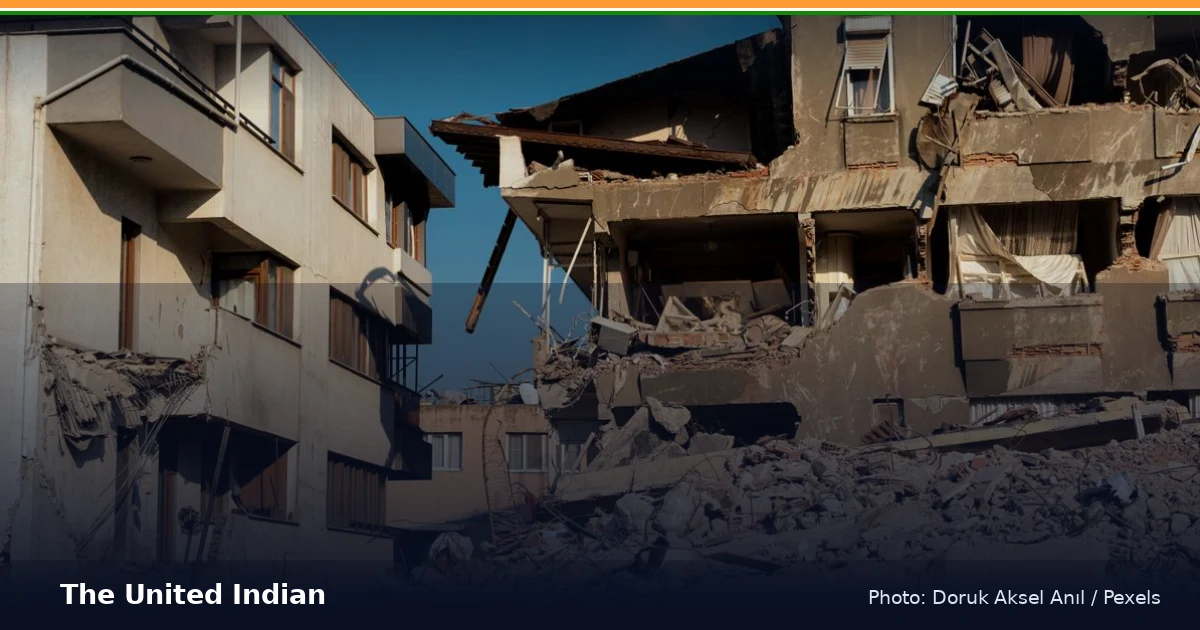
Palu is the capital of Central Sulawesi province and has a population of around 400,000. AP reported that the strong shaking rattled residents and caused damage to some structures, including roofs and walls. Images from the area showed damaged buildings and debris on streets. It is easy to read those details as numbers and locations. But for people inside the city, it was a real moment of panic. People leave rooms. Patients are moved out. Families call each other. Hotel guests are evacuated. One hotel manager told AP that all guests were evacuated, including some who had stayed inside their rooms. That small detail tells you how confusing such moments can be. Not everyone reacts at once. Some freeze. Some wait. Some need help. That is what makes strong tremors so frightening. They do not give people time to think neatly.
The shaking did not end with the first event. Several aftershocks followed, with the strongest reported at magnitude 5.2, according to AP. Aftershocks can be unsettling because people do not know whether the next one will be weaker or stronger. Anyone who has felt even a small tremor knows the strange feeling afterward. You sit still, but your body keeps checking whether the ground is moving again. That anxiety is worse in places with a history of major seismic events. This is why officials usually ask people to stay alert, avoid damaged buildings and wait for verified updates. Damaged walls, cracked structures and loose roofs can become dangerous even after the main shaking stops.
Indonesia sits in one of the world’s most active seismic zones. AP noted that the country is located along the Pacific “Ring of Fire”, an area where tectonic plates meet and create frequent volcanic and seismic activity. That does not make each event less serious. It only explains why the country has to stay prepared. People in Indonesia are used to hearing about tremors, warnings and safety checks. But familiarity does not remove fear. Every strong event brings fresh worry, especially when it happens near a city that has already suffered before. This is why natural disasters in such regions are not only about immediate damage. They also test preparedness, public trust and emergency response. Damage Assessment Still Matters. At the time of early reporting, officials were still gathering information about damage, casualties and displaced people. AP said Indonesia’s National Disaster Management Agency was collecting updates from the affected area. That stage is important.
Some areas may not be reachable immediately. Some damage becomes visible only after inspection. Some people may leave homes temporarily even if buildings are not fully destroyed. So the safest reading is this: the tsunami threat was ruled out, but the full damage picture was still being assessed. That distinction matters. Relief from one risk does not mean the event caused no harm. A City That Knows This Fear Too Well The second mention of Indonesia earthquake, 6.7 magnitude matters because this was not only a breaking news update. It happened in a place where people already understand what a powerful quake can do. Palu’s 2018 tragedy still shapes how residents react today. When strong shaking hits, many people do not wait for official confirmation before moving outside. That response comes from lived memory. It is hard to blame them. A city that has seen disaster learns to move quickly. And maybe that is the larger lesson here. Preparedness is not only about government systems. It is also about public awareness, building safety, clear alerts, hospital readiness and fast information.
Indonesia will continue to face seismic risk because of where it is located. That is a geographic reality. But how people prepare, build and respond can reduce the damage from future events. Strong buildings matter. Clear warnings matter. Trusted information matters. Quick local response matters. This latest tremor again shows why disaster readiness has to be a daily priority in vulnerable regions, not something remembered only after shaking starts. For now, the main facts are clear. A strong quake hit Sulawesi near Palu. People rushed outdoors. Some damage was reported. No tsunami risk was announced. Assessments were still underway. That is enough to make this a serious story.
At The United Indian, we look beyond the headline number. This story matters because people in quake-prone regions live with risks that can return without warning.
The Sulawesi tremor is a reminder that disaster preparedness, safer buildings and quick official updates can make a real difference during moments of fear.
Follow The United Indian for grounded stories on global events, weather, safety and the human side of major news.
Everything you need to know
The earthquake struck near Palu in Central Sulawesi, Indonesia. The epicentre was reported around 42 km southeast of Palu.
The earthquake was measured at 6.7 magnitude, making it a strong tremor felt across parts of Sulawesi.
No. Indonesia’s geophysics agency said there was no tsunami threat after the earthquake
Many residents rushed outdoors because Palu has painful memories of the 2018 earthquake and tsunami. Strong shaking naturally brought back fear.
Yes. Several aftershocks were reported, with the strongest around 5.2 magnitude, adding to anxiety among residents.





Sep 14, 2026
TUI Staff
Sep 14, 2026
TUI Staff
Sep 14, 2026
TUI Staff
Sep 14, 2026
TUI Staff
Sep 14, 2026
TUI Staff
Sep 14, 2026
TUI Staff
Sep 14, 2026
TUI Staff
Sep 14, 2026
TUI Staff

Stay informed with independent, fact-checked journalism on technology, environment, government, economy and more. India’s most trusted digital news platform.








Comments (0)
Be the first to comment!