
Devshayani Ekadashi 2026: Date, Puja Vidhi, Vrat Rules and Parana Time
Devshayani Ekadashi 2026 brings a day of faith, fasting and reflection before Chaturmas begins.
 IN
Fri, Oct 23, 2026 | 03:16 AM IST
IN
Fri, Oct 23, 2026 | 03:16 AM IST


Wondering July 25 or July 26 - which date matters for the Ekadashi fast?
Read through all the important the details below & plan your Ekadashi traditions accordingly.
Devshayani Ekadashi 2026 will be observed on Saturday, July 25. Parana, or the breaking of the vrat, will take place on Sunday, July 26. The day is dedicated to Lord Vishnu and begins a four-month period of restraint.
For New Delhi, Drik Panchang lists the Ekadashi Tithi from 9:12 AM on July 24 to 11:34 AM on July 25. The listed Parana window is 5:39 AM to 8:22 AM on July 26. Dwadashi ends at 1:57 PM.
| Event | New Delhi date and time |
| Ekadashi Tithi begins | July 24 at 9:12 AM |
| Ekadashi Tithi ends | July 25 at 11:34 AM |
| Vrat day | Saturday, July 25 |
| Parana day | Sunday, July 26 |
| Parana window | 5:39 AM to 8:22 AM |
| Dwadashi ends | July 26 at 1:57 PM |
These timings apply to New Delhi. Panchang calculations depend on local sunrise, so devotees elsewhere should check a local calendar before ending the Ekadashi fast.
The festival falls on Shukla Paksha Ekadashi in the Hindu month of Ashadha. It is also known as Hari Shayani Ekadashi, Shayani Ekadashi, Padma Ekadashi and Ashadhi Ekadashi.
According to Hindu tradition, Lord Vishnu enters Yoga Nidra, or divine rest, on this day and awakens on Prabodhini Ekadashi. Hindustan Times links the period with prayer, self-discipline and reflection.
Chaturmas begins with this observance in many Hindu traditions. During these months, devotees may simplify routines, practise charity or take personal vows.
Many families also postpone weddings and housewarming ceremonies. This is a religious custom, not a legal ban. Practices may differ across families, regions and religious traditions.
Why does this matter? The day shifts attention away from large celebrations and towards quieter self-examination.
Begin with an early bath and clean the prayer area. Devotees may then take a sankalp, or personal resolve, to observe the day sincerely.
Place an image or idol of Lord Vishnu, Krishna or Lakshmi-Narayan in the worship space. Light a diya and incense. Offer water, flowers, fruits, sweets and Tulsi leaves.
Many devotees chant “Om Namo Bhagavate Vasudevaya,” recite the Vishnu Sahasranama, read the vrat katha or listen to bhajans. Hindustan Times also notes the role of charity, including donating food, clothes or other essentials.
The puja need not be elaborate. A short, attentive prayer can be enough.
There is no single form of the Ekadashi fast that every family must follow. Drik Panchang lists water-only, milk-based, fruit-based and one-meal forms.
Rice, wheat, pulses, beans and regular cereals are generally avoided. Common vrat foods include fruits, milk products, sabudana, potatoes, sweet potatoes, singhara and groundnuts.
Some households also use kuttu flour or samak rice. Drik Panchang notes that views differ on these foods, so family tradition often decides what is permitted.
A waterless vrat is strict and should not be treated as compulsory. People with diabetes or other medical conditions should speak with a healthcare professional before fasting. The US National Institute of Diabetes and Digestive and Kidney Diseases recommends advance planning for people with diabetes.
Mayo Clinic warns that dry fasting can cause severe dehydration. Faith should encourage discipline, not unsafe physical strain.
The Ekadashi fast is not only about food. Devotees also try to avoid anger, harsh speech, dishonesty and unnecessary conflict.
Alcohol, tobacco and non-vegetarian food are commonly avoided. Some families also leave out onion and garlic.
The wider idea is self-control. Food rules mean little if the day is filled with anger or careless behaviour.
Parana formally completes the vrat on Dwadashi. For New Delhi, the listed period is 5:39 AM to 8:22 AM on July 26.
Devotees may begin with a prayer and then take Tulsi water, fruit or a light sattvic meal. After a long fast, eating slowly is wiser than choosing a heavy meal.
The time changes by city. Check a local Panchang.
A traditional vrat katha tells of King Mandhata, whose kingdom faced a severe drought. According to Maharashtra Tourism, Sage Angiras advised him to observe the vrat. The legend says rain later returned.
This is a religious story, not documented history. Its message centres on faith, discipline and responsibility towards the people.
In Maharashtra, the day is widely celebrated as Ashadhi Ekadashi and is closely connected with Lord Vitthal at Pandharpur.
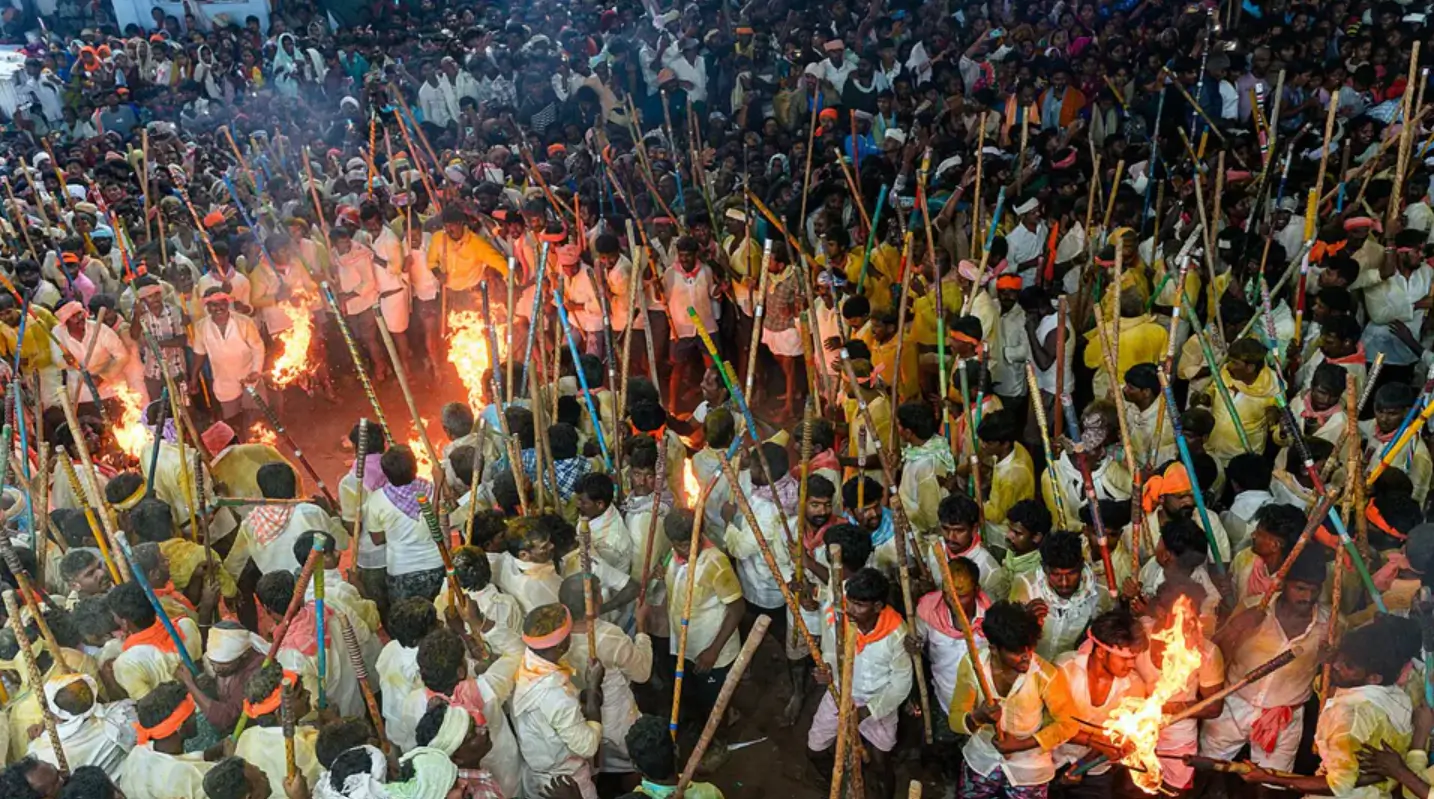
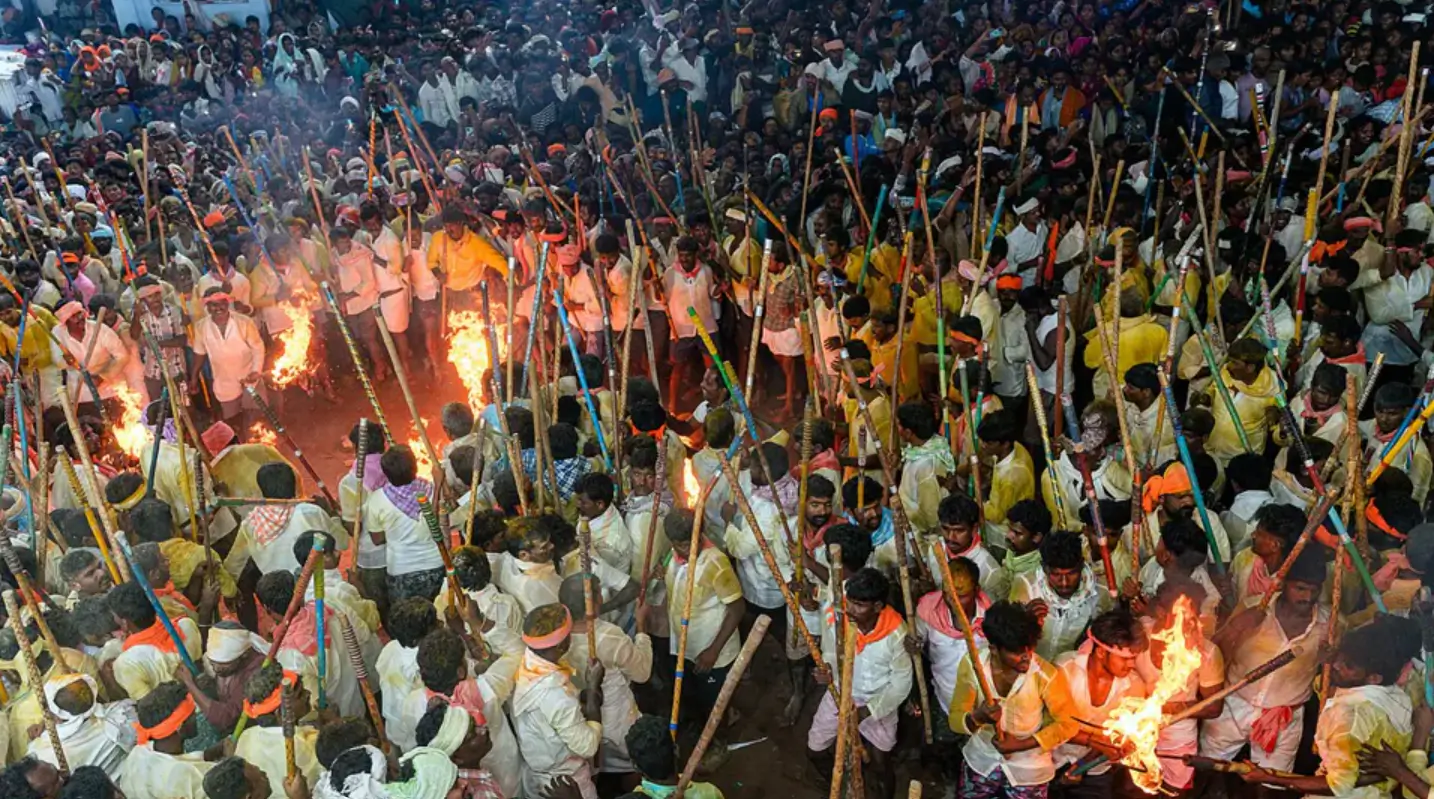
Maharashtra Tourism says lakhs of Warkaris walk in processions carrying the palkhis of Sant Dnyaneshwar and Sant Tukaram. Pilgrims sing abhangs and chant as they move towards Pandharpur.
Its Dehu and Alandi guide says the palkhis carry the saints’ sacred padukas. The journey turns a private vrat into a public expression of devotion.
Traditional astrology describes this period as suitable for meditation, self-discipline and reflection on long-term goals.
These ideas come from faith-based interpretation, not scientific evidence. Astrology should be presented as a traditional belief rather than a proven system.
For many devotees, the value lies in the pause itself: fewer distractions, calmer routines and closer attention to conduct.
Devshayani Ekadashi 2026 is not only a Panchang date. It connects household rituals with a cultural story stretching from home prayers to the Pandharpur Wari.
It offers a practical message: slow down, speak carefully and help someone.
As Devshayani Ekadashi 2026 ends with Parana on July 26, its larger lesson remains. The plate may fill again, but the discipline can continue.
Everything you need to know
The vrat is on July 25. Parana takes place on July 26.
It marks the traditional beginning of Chaturmas and is associated with Vishnu entering Yoga Nidra.
Yes. Many follow a fruit-and-water or milk-based vrat. A waterless fast is optional.
Rice, wheat, pulses, beans and regular grains are commonly avoided. Practices vary by family and region.
No. It depends on local sunrise and Panchang calculations, so devotees should check the timing for their city.


Oct 22, 2026
TUI Staff
Oct 22, 2026
TUI Staff
Oct 22, 2026
TUI Staff
Oct 22, 2026
TUI Staff
Oct 22, 2026
TUI Staff
Oct 22, 2026
TUI Staff
Oct 22, 2026
TUI Staff
Oct 22, 2026
TUI Staff

Stay informed with independent, fact-checked journalism on technology, environment, government, economy and more. India’s most trusted digital news platform.
Comments (0)
Be the first to comment!