
Women’s Asia Cup 2026: India Win Title But Walk Away Without Trophy - What Happened?
India won the title on the field but the Mohsin Naqvi trophy standoff returned in Dubai.
 IN
Mon, Sep 14, 2026 | 04:25 PM IST
IN
Mon, Sep 14, 2026 | 04:25 PM IST


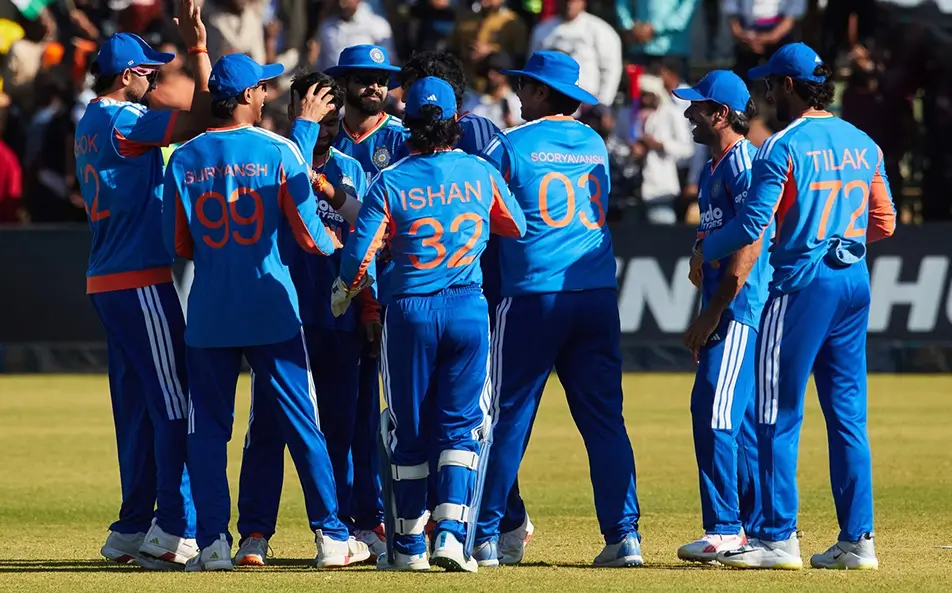
India won the Women’s Asia Cup. But for the second year running, an Indian team left Dubai without lifting the Asia Cup trophy. The Harmanpreet Kaur-led Indian women cricket team defeated Sri Lanka by 72 runs in the final on September 13, 2026, securing India’s eighth Women’s Asia Cup title. Yet when the presentation ceremony began, the champions declined to receive the trophy from Asian Cricket Council president Mohsin Naqvi.
The decision was not made spontaneously after the final. BCCI secretary Devajit Saikia has now explained that the board had already made its position clear to the ACC: if Naqvi was the person presenting the trophy, India would not accept it. The reason, according to the board, was consistency with the stand taken by India’s men’s team during the 2025 Asia Cup.
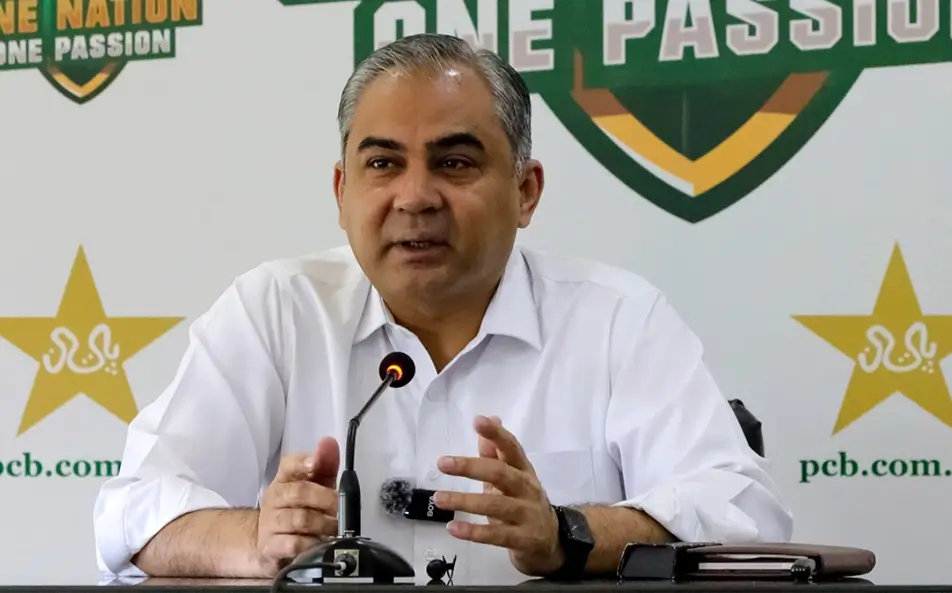
Saikia described the decision as a conscious one taken after considering the circumstances surrounding India-Pakistan relations. Naqvi currently holds three positions relevant to the controversy. He is president of the Asian Cricket Council, chairman of the Pakistan Cricket Board and Pakistan’s Interior Minister. The ACC and PCB continue to officially list him in those cricket-administration roles. For India, that political role remains central to the dispute.
The board had taken the same position during the men’s Asia Cup final in September 2025, when Suryakumar Yadav’s team defeated Pakistan but declined to collect the trophy from Naqvi. Saikia said the women’s team was following the same broader stand rather than creating a different policy for women’s cricket.
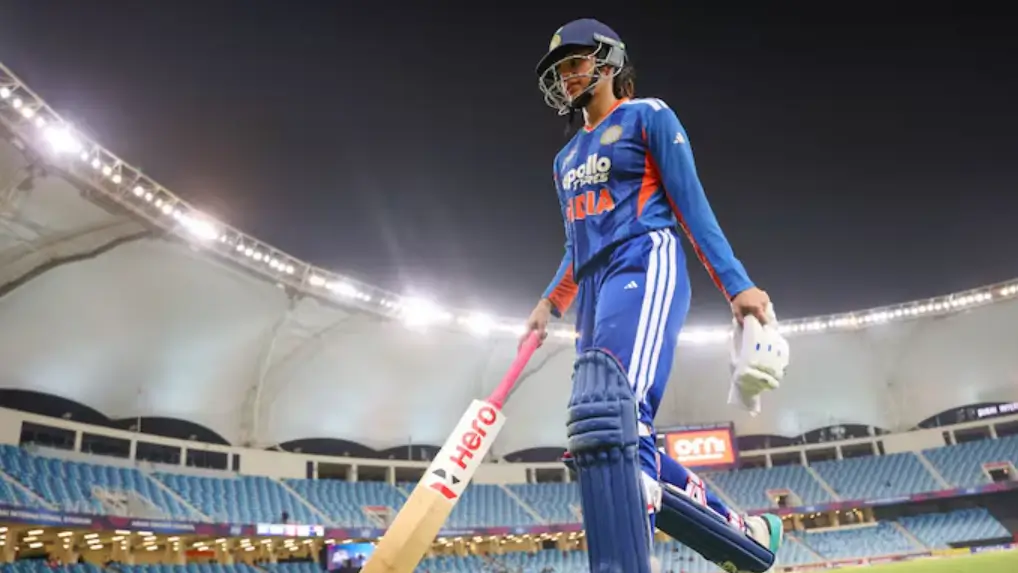
The controversy should not overshadow what was a dominant performance in the India vs Sri Lanka final. India batted first at the Dubai International Cricket Stadium and posted 183/5.
Shafali Verma led the charge with 68 from 39 balls, while Smriti Mandhana scored 59 from 39. The pair gave India a powerful start before the bowlers took control. Sri Lanka were eventually bowled out for 111, handing India a 72-run victory. Left-arm spinner Shree Charani was outstanding with 4/20, while India completed an unbeaten tournament and reclaimed the title Sri Lanka had won in 2024.
It was India’s eighth Women’s Asia Cup crown. On the cricket field, there was little ambiguity about who the champions were. The complication came afterwards.
One important detail is that the presentation standoff was not completely unexpected. Reports following the final said BCCI had informed the Asian Cricket Council before the match that the Indian side would not collect the trophy from Naqvi if India won. That matters because it changes the interpretation of what happened on the podium. This was not simply a group of players making an emotional decision after beating Sri Lanka. It reflected a position taken at board level.
Reports also said India was open to an alternative presenter rather than refusing the trophy itself. During the similar 2025 dispute, India had been willing to receive the trophy from Emirates Cricket Board vice-chairman Khalid Al Zarooni. The larger disagreement was therefore over who would present the silverware, not whether India considered itself the legitimate champion.
The background goes back to September 28, 2025. India defeated Pakistan by five wickets in the men’s Asia Cup final in Dubai. But Suryakumar Yadav’s team refused to collect the trophy from Mohsin Naqvi. The post-match presentation was delayed for more than an hour while officials tried to resolve the disagreement. India indicated it was prepared to receive the trophy from another official, but Naqvi remained on the podium as ACC president.
Eventually, India celebrated without the silverware. The dispute became even more unusual because the men’s trophy was not subsequently handed over to India. As recently as August 2026, reporting said the 2025 trophy still remained with the ACC in Dubai and had not reached the champions. That unresolved episode is why the possibility of Naqvi presenting the women’s trophy had attracted attention even before Sunday’s final.
The simple answer from the Indian board is consistency. If the men’s team had refused to take a trophy from the ACC president because of his political role, allowing the women’s side to accept one from the same official less than a year later would have contradicted that position. Saikia said the decision was taken after considering all aspects and was communicated beforehand.
That does not mean everybody agrees with the approach. Critics have argued that sporting trophies should be separated from political disagreements. Supporters of the Indian position argue that presenting the trophy through another ACC official would have allowed the ceremony to proceed without forcing either side to abandon its stated position. The result was another unresolved standoff.
Head coach Amol Muzumdar made it clear that the team supports the board. He said the stand had been taken by BCCI and the squad was united behind it. Muzumdar also stressed that India considers itself the champion regardless of whether the physical trophy was presented on stage. “For us, this tournament is over. We are the champions, and that’s good enough,” he said after the final. The team instead held its own small celebration and medal presentation. Muzumdar said the squad was proud of winning the tournament and was ready to move its focus towards the Asian Games.
That is the next unresolved question. There has been no clear announcement yet on when, where or through whom the trophy will be physically handed to the Indian team. Muzumdar said after the final that he had received no update on that question. That creates an uncomfortable parallel with the men’s title. India won the 2025 men’s competition but the physical trophy remained unresolved for months. Now the women have won the 2026 edition and left the official ceremony without their silverware too. Whether the ACC and Indian board can prevent the second dispute from dragging on in the same way will be worth watching.
There is also a risk that the presentation controversy overshadows the achievement itself. India were emphatic throughout the competition. In the final, Mandhana and Shafali produced a century opening partnership, India posted 183/5, and the bowlers then dismissed the defending champions for 111. The 72-run result ensured India regained the continental crown they had lost to Sri Lanka in 2024. The trophy presentation became the headline afterwards. The cricket itself was far less complicated. India were the better team in the asia cup final, and the scoreboard confirmed them as champions.
For the Indian players, attention now turns towards the Asian Games. For administrators, however, another trophy dispute remains to be resolved. The BCCI has made its position clear: the women followed the precedent set by the men, and accepting the trophy from Mohsin Naqvi would have contradicted that stance. The ACC now has to decide how the physical silverware reaches the champions. Until then, Indian cricket finds itself in an unusual position for the second successive year:
champions of Asia but celebrating without the Asia Cup trophy in their hands.
Everything you need to know
India declined to receive the trophy from ACC president Mohsin Naqvi. BCCI secretary Devajit Saikia said the decision was deliberate and that the ACC had been informed beforehand of India’s position.
Yes. India defeated Sri Lanka by 72 runs in the final in Dubai to claim their eighth Women’s Asia Cup title.
Yes. According to BCCI secretary Devajit Saikia, the board had communicated its position to the ACC before the presentation ceremony, making clear that India would not receive the trophy from Naqvi under those circumstances.
That remains unclear. No confirmed arrangement has yet been announced for when or through whom the physical trophy will be handed over to the Indian team.


Sep 13, 2026
TUI Staff
Sep 09, 2026
TUI Staff
Sep 08, 2026
TUI Staff
Sep 07, 2026
TUI Staff
Sep 14, 2026
TUI Staff
Sep 14, 2026
TUI Staff
Sep 11, 2026
TUI Staff
Sep 11, 2026
TUI Staff

Stay informed with independent, fact-checked journalism on technology, environment, government, economy and more. India’s most trusted digital news platform.
Comments (0)
Be the first to comment!