Flag IN Mon, Sep 21, 2026 | 05:09 PM IST | Delhi | --°C
Breaking

What Are IIT Bombay Students Demanding? 18-Point Charter Explained After Campus Protests

IIT Bombay Director's Resignation Now Tied to 18-Point Charter After Student Suicide

Three days of protests have turned one student’s death into a wider debate over accountability, mental health and campus governance.

Posted
Sep 21, 2026
Category
Recent Events
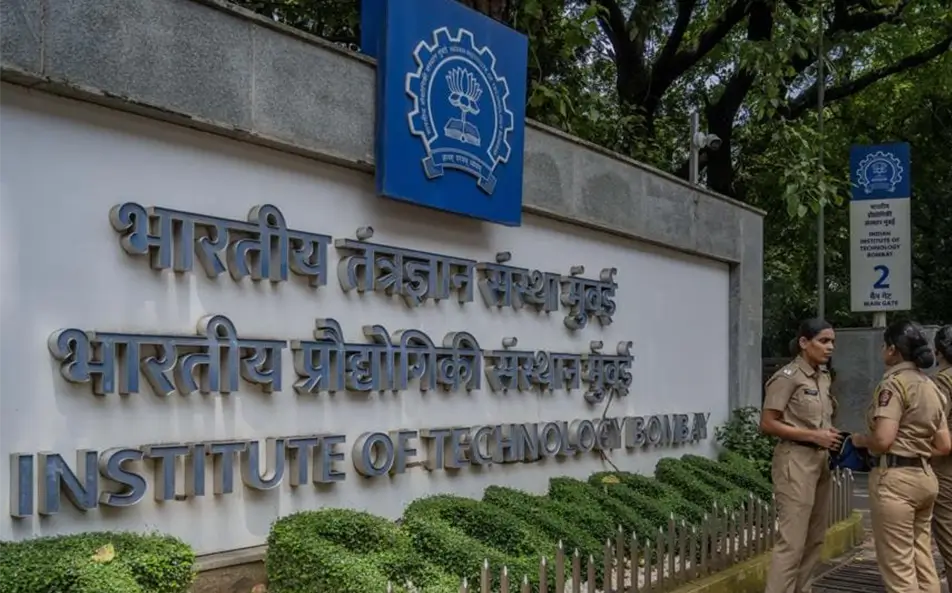
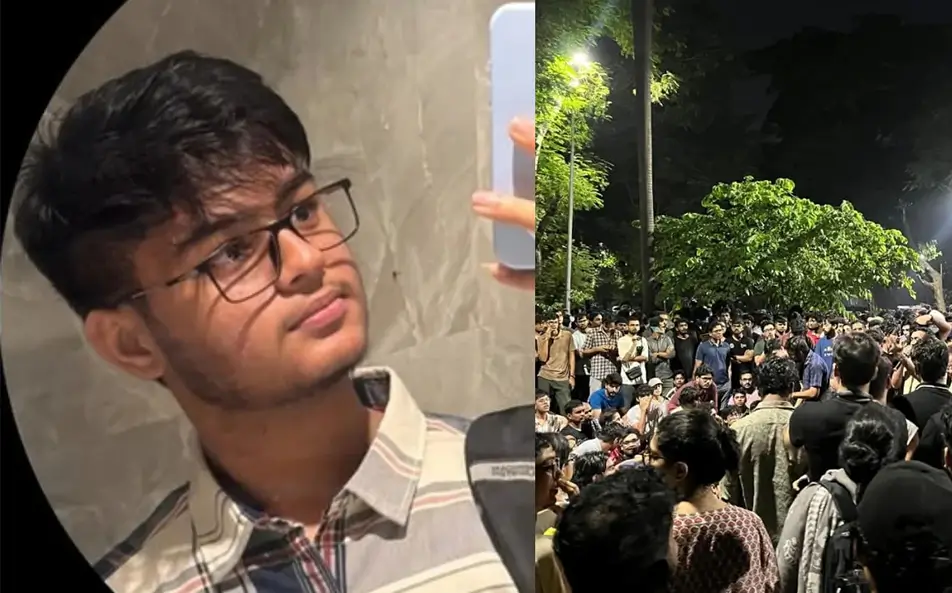
  • Three days of student protests have pushed IIT Bombay into one of its most serious recent campus crises, with students submitting an 18-point charter demanding institutional reforms, an independent investigation and accountability from senior officials. The demands followed the September 18 death by suicide of second-year BTech student Sahil Wakode. The student demonstrations continued through the weekend, prompting the institute’s Board of Governors to convene a special meeting on September 21. Classes were also cancelled for the day.
  • Among the most significant demands is the resignation of Director Prof Shireesh Kedare. While Kedare reportedly told protesting students late Sunday that he would resign after following the required process, IIT Bombay subsequently said reports that he had already resigned were incorrect.
  • The developments have turned the IIT Bombay suicide case into a wider debate over disciplinary procedures, mental-health support, student representation and allegations of caste discrimination. Those allegations are under investigation and have not been established as findings.
  • IIT Bombay Students Submit 18 Demands After Three Days of Protest

  • Students handed the administration an 18-point charter after sustained demonstrations at the Powai campus. Director Shireesh Kedare met protesters on Sunday night, with reports describing discussions lasting several hours. He signed the students’ charter and assured them that the institute would work on their concerns, although officials said formal processes would still have to be followed.
  • The demands include an independent investigation into Wakode’s death, stronger mental-health safeguards, reforms to disciplinary procedures and greater student participation in committees that directly affect them. Students have also asked for voting rights and equal representation in academic and non-academic committees dealing with student matters. For IIT Bombay, the demands extend far beyond the circumstances of one case. Students are asking the institute to reconsider how it handles academic pressure, disciplinary proceedings, grievances and student wellbeing.
  • IIT Bombay Suicide Case: What Are the Students Demanding?

  • One of the central demands in the IIT Bombay suicide case is an independent investigation into the circumstances preceding Wakode’s death. Students have proposed a committee involving faculty members, student representatives and external members. They have also sought publication of the findings within a specified timeframe.
  • Other reported demands include:
  • Independent investigation into the student’s death
  • Action against officials if wrongdoing is established
  • Resignation of senior administrators, including the director
  • Stronger student representation in institute committees
  • Reform of disciplinary procedures
  • Regular mental-health sensitisation for faculty and staff
  • A standing task force on student wellbeing
  • Dedicated interaction hours with student-affairs officials
  • A transparent online portal for campus-wide concerns
  • Protection of students participating in protests from disciplinary action
  • The detailed charter also calls for mental-health sensitisation workshops every two months for professors and staff who interact directly with students, with similar training incorporated into employee onboarding.
  • Students have further demanded a written implementation plan and greater transparency around how complaints are addressed.
  • Director’s Resignation Remains Unresolved

  • The status of Kedare’s resignation became confusing on Monday as reports developed rapidly. PTI reported that Kedare told protesters late Sunday: “I will resign,” while adding that he needed to follow the required process and would communicate his decision after Monday’s meeting. Hours later, however, the institute publicly rejected reports that he had resigned.
  • As of the latest update reviewed on September 21, Kedare remains IIT Bombay’s director. The institute’s own website also continues to list him in that position. Students’ demand for his resignation therefore remains politically and administratively significant, but it should not be reported as a completed resignation.
  • IIT Bombay Student Suicide: Professor Removed From Dean Role

  • Another major development concerns Professor Suryanarayana Doolla. Doolla was overseeing the examination in which Wakode was accused of unauthorised mobile-phone use. He has also been named in the police FIR following allegations made by the student’s family. On Monday, the institute suspended Doolla from his position as Dean of Administrative Affairs with immediate effect. The institute said further action would depend on the investigation.
  • Students, however, said this did not fully satisfy their demand. Their charter sought his suspension as a professor, rather than only removal from the administrative deanship. The IIT Bombay student suicide investigation has now been transferred to the Mumbai Crime Branch. The family has alleged harassment and caste-based discrimination. These are allegations in an ongoing criminal investigation and should not be treated as established facts.
  • Why Did IIT Bombay Apologise?

  • The institute also issued an apology on Monday over its initial public description of what happened before Wakode’s death. Its earlier communication had said the student was found using a phone during an examination and had uploaded the examination paper to an AI platform seeking answers. Following criticism from students, IIT Bombay acknowledged that it was inappropriate to publicly characterise those circumstances while an official investigation remained underway.
  • The institute said the events preceding the death still need to be established by the appropriate investigative authorities. This represents an important change from the institution’s initial messaging. Students had argued that publicly discussing the alleged academic violation before an investigation was completed unfairly portrayed a student who could no longer respond to the allegations.
  • IIT Bombay Suicide Protests Expand Beyond One Incident

  • The IIT Bombay suicide protests have increasingly focused on structural issues rather than only the immediate circumstances surrounding Wakode’s death. Students have demanded a permanent task force on student wellbeing made up of students, faculty members, mental-health professionals and external experts. The proposed body would study student distress, recommend preventive measures and publish regular reports.
  • Another demand calls for faculty and staff who interact with students to undergo recurring mental-health sensitisation. Students also want more accessible communication with administrators and a system where institute-wide concerns and official responses can be viewed by the campus community. The institute already operates a Student Wellness Centre that offers individual counselling, group therapy, peer support and other services. Its current website lists multiple mental-health professionals providing services across campus hostels. The protests are now asking whether those existing services and institutional procedures are sufficient.
  • IIT Bombay Student Suicide Raises Questions Over Academic Processes

  • The IIT Bombay student suicide also comes amid disagreement over what happened following the September 18 examination. The institute’s original version said Wakode had been found with a mobile phone during the exam but that no disciplinary action had been initiated and that he had been counselled and assured the episode would not adversely affect his academic career.
  • Some students have presented a different account, alleging that he feared serious disciplinary consequences. Because those accounts conflict, establishing the sequence of events is now an important part of the investigation. It would therefore be inaccurate to say that the alleged use of ChatGPT, disciplinary pressure, caste discrimination or any other single factor has been established as the cause of the death.
  • What Happens Next?

  • The Board of Governors is considering the students’ demands, while the administration is expected to communicate further decisions through discussions with the campus community.
  • Some action has already taken place. The institute has apologised for its initial communication and suspended Doolla’s deanship. But other demands—including the director’s resignation, an independent investigation mechanism and wider governance reforms—remain unresolved as of the latest reports.
  • For the IIT Bombay suicide controversy, the next phase will therefore unfold on two parallel tracks: the Crime Branch investigation and the institute’s response to the 18-point student charter. Students are seeking changes that go considerably beyond one disciplinary incident. They want greater representation, more transparent processes and stronger systems for identifying and responding to student distress. Whether those demands produce lasting institutional change will depend on what the Board of Governors and administration formally implement after the protests.
  • Support note: If this story raises difficult feelings for you or someone you know, India’s government-run Tele-MANAS service provides free, confidential mental-health support 24/7 at 14416.

Enjoying this story? Get TUI's free newsletter: the news that matters, straight to your inbox. No spam, unsubscribe anytime. Subscribe free →

FAQ

Everything you need to know

What triggered the protests at IIT Bombay?

Second-year BTech student Sahil Ravindra Wakode was found dead in his hostel room on September 18 after allegedly being caught using a mobile phone during a mid-semester exam. His death triggered protests by over 400 students demanding accountability from the administration.

What are the 18 demands signed by the IIT Bombay director?

Key points include an independent investigation into Wakode's death with an interim report by September 30 and final report by October 15, a task force on student distress, mandatory mental-health training for faculty, a 24-hour psychiatrist-on-call facility, and a written implementation plan by September 26.

Has the IIT Bombay director actually resigned?

As of September 21, there is no official confirmation from IIT Bombay, the Ministry of Education, or Director Prof Shireesh Kedare. A viral video shows him telling students he would step down, but the signed charter makes his resignation conditional on whether specific reforms are implemented within a month.


TUI

The United Indian Editorial Team

Independent · Fact-Checked · Est. 2021

Our editorial team covers India’s most important developments across environment, technology, governance, economy and society. Every story is independently researched, fact-checked, and written without advertiser influence.

Rate this Article

0.0
(0 ratings)
5
0%
4
0%
3
0%
2
0%
1
0%

Comments (0)

User Avatar
0/1000

Be the first to comment!

This site is protected by reCAPTCHA and the Google Privacy Policy and Terms of Service apply.