
Long Term Exposure to Air Pollution May Raise Dementia Risk, WHO Warns
Cleaner air today could help protect brain health tomorrow
 IN
Fri, Oct 16, 2026 | 05:43 PM IST
IN
Fri, Oct 16, 2026 | 05:43 PM IST


Long Term Exposure to Air Pollution May Raise Dementia Risk, WHO Warns
The World Health Organization has added polluted air to its updated advice on reducing dementia risk. The move signals that brain health depends not only on personal habits and medical care, but also on the environment people live in.
This matters for India, where millions of older adults already live with dementia. A nationally representative study published in Alzheimer’s & Dementia estimated that 7.4% of Indians aged 60 and above-about 8.8 million people-were living with dementia, based on data collected from 2017 to 2020. Read the India dementia prevalence study.
WHO released its second-edition guidance on July 15, 2026. The agency says long term exposure to air pollution now belongs alongside smoking, inactivity, social isolation, high blood pressure and diabetes among risks that countries should address. The change appears in the official WHO announcement.
The WHO dementia guidelines are the first major revision of the agency’s advice since 2019. WHO says the new edition reflects stronger evidence on lifestyle, chronic disease and environmental exposure.
WHO recommends physical activity, tobacco cessation, reduced alcohol use, a balanced diet, cognitive stimulation and social engagement. It also stresses control of hypertension, diabetes and high cholesterol. Hearing aids may form part of prevention plans when clinically needed.
The new recommendation shifts part of the prevention debate from individual choices to transport, energy, industrial regulation and urban planning.
WHO reports that more than 57 million people live with dementia worldwide. Nearly 10 million receive a new diagnosis each year. Alzheimer’s disease accounts for an estimated 60% to 70% of cases.
WHO defines dementia as a condition caused by diseases that damage the brain over time. It can affect memory, thinking, communication, mood and everyday functioning.
Age raises the risk, but dementia is not unavoidable. WHO says risk builds across life and can be shaped by health, behaviour, social conditions and environmental exposure.
Early signs may include forgetting recent events, getting lost in familiar places or struggling with routine tasks. These symptoms need medical assessment because other conditions can produce similar problems. WHO lists the main signs and symptoms of dementia.
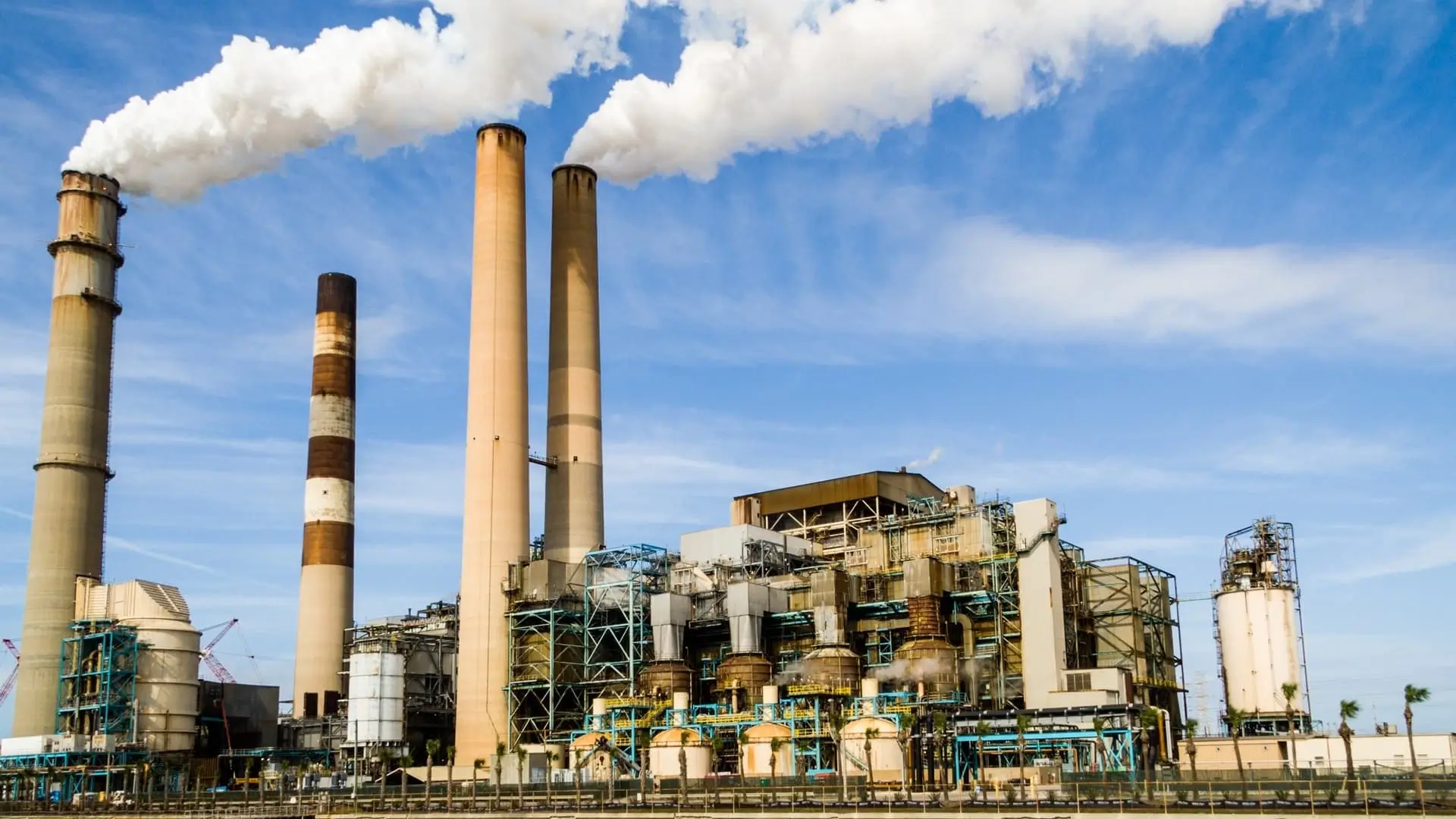
Scientists have studied fine particulate matter, especially PM2.5, because these particles can enter deep into the lungs and affect the cardiovascular system. Traffic exhaust, industry and fuel combustion are common sources.
Researchers propose several pathways. Polluted air may promote inflammation, oxidative stress and damage to blood vessels that supply the brain. It may also raise the risk of stroke and cardiovascular disease, both linked with cognitive decline.
A 2023 systematic review and meta-analysis in The BMJ assessed 51 longitudinal studies. The researchers found evidence linking long-term ambient pollution exposure with clinical dementia, particularly in studies of PM2.5. Read the full BMJ review.
The authors also found differences in exposure measurement and diagnosis. Those limits mean the evidence supports an association, not proof that one pollutant directly causes the disease.
The link between air pollution and dementia should not be overstated. A person who lives in a polluted area will not automatically develop the condition.
Dementia usually reflects several influences, including age, genetics, cardiovascular health, education, hearing and vision loss, social isolation and environmental conditions.
Cleaner air may reduce a population-level risk, but it cannot guarantee that an individual will avoid dementia.
WHO says up to 45% of dementia risk can be linked to potentially modifiable factors. The 2024 Lancet Commission similarly estimated that action on 14 factors could prevent or delay about 45% of cases at population level.
The list includes limited education, hearing loss, high LDL cholesterol, hypertension, smoking, obesity, depression, inactivity, diabetes, excessive alcohol use, traumatic brain injury, social isolation, untreated vision loss and polluted-air exposure. The full list appears in the 2024 Lancet Commission report.
The estimate does not assign 45% of cases to one factor. It combines several risks across life and does not promise the same reduction for every person.
Img Src : met.com
People searching for how to prevent dementia may find products that promise to protect memory. WHO does not support routine use of vitamins B or E, omega-3 fatty acids, or multivitamin-mineral products solely for prevention in people without a diagnosed deficiency.
That advice does not tell patients to stop prescribed supplements. A clinician may still recommend them after tests confirm a medical need.
The stronger evidence supports a combined approach: stay active, avoid tobacco, limit harmful alcohol use, eat a balanced diet, remain socially connected and manage blood pressure, blood sugar and cholesterol. WHO also supports hearing care, cognitive activity and reduced pollution exposure.
Readers can explore TUI’s coverage of diabetes prevention and management in India, since diabetes appears in WHO’s advice.
For India, long term exposure to air pollution is not simply a personal choice. Traffic, construction dust, industrial emissions, crop-residue burning, household fuels and workplace conditions shape exposure.
The 2023 Indian prevalence study estimated 8.8 million dementia cases among adults aged 60 and above and reported substantial variation across states. The figure is a study estimate, not a confirmed 2026 patient count.
A 2024 BMJ Public Health study assessed risks in a nationally representative sample of 4,096 Indians aged 60 and above. It identified limited formal education, vision impairment, inactivity and social isolation as major priorities. Its pollution estimates were not precise enough to establish a clear India-specific association. Read the Indian risk-factor study.
India therefore needs cleaner air, accessible blood-pressure and diabetes care, hearing and vision services, social support and early assessment for memory problems.
TUI has examined the wider crisis in Air Pollution in India: What Breathing Really Feels Like. Our report on elderly care in India explains why chronic illness, isolation and access to care matter as the population ages.
Individuals can check official air-quality alerts and reduce strenuous outdoor activity during severe pollution episodes. Avoiding tobacco smoke and improving kitchen ventilation may also lower exposure.
Families can arrange checks for blood pressure, diabetes, hearing and vision problems. Persistent memory loss, confusion or difficulty with familiar tasks should prompt a medical consultation.
Personal precautions have limits. Governments must expand clean transport, enforce pollution rules, improve household energy and publish reliable air-quality information.
The updated guidance links brain health to healthcare, education, social connection and environmental quality.
Reducing long term exposure to air pollution will not prevent every case. But it can remove one avoidable pressure from ageing brains while protecting the heart and lungs.
India should not ask families to solve a systemic problem alone. Clean air and preventive care must become basic protections for healthy ageing.
Everything you need to know
Research links long term exposure to air pollution with a higher risk of cognitive decline and dementia. However, scientists have not proved that polluted air alone directly causes dementia. Age, genetics, heart health, lifestyle and social conditions can also influence risk.
Fine particles such as PM2.5 may contribute to inflammation, oxidative stress and damage to blood vessels that supply the brain. Air pollution may also raise the risk of stroke and cardiovascular disease, which are associated with cognitive decline.
The WHO dementia guidelines recommend regular exercise, tobacco avoidance, limited alcohol use, a balanced diet, social engagement and proper management of blood pressure, diabetes and cholesterol. The updated guidance also recommends reducing exposure to polluted air.
Dementia cannot always be prevented. However, the 2024 Lancet Commission estimated that addressing 14 modifiable risk factors could prevent or delay around 45% of cases at the population level. The estimate combines several risks and does not apply to air pollution alone.
WHO does not recommend routine use of vitamin B, vitamin E, omega-3 or multivitamin-mineral supplements solely for dementia prevention in people without a diagnosed deficiency. People should follow medical advice before starting or stopping prescribed supplements.





Oct 15, 2026
TUI Staff
Oct 15, 2026
TUI Staff
Sep 28, 2026
TUI Staff
Sep 22, 2026
TUI Staff
Oct 15, 2026
TUI Staff
Oct 15, 2026
TUI Staff
Oct 15, 2026
TUI Staff
Oct 14, 2026
TUI Staff

Stay informed with independent, fact-checked journalism on technology, environment, government, economy and more. India’s most trusted digital news platform.




Comments (0)
Be the first to comment!