
Why Sugar Prices Are Rising in India: Is There Really a Sugar Shortage?
Why India's everyday sugar suddenly costs much more
 IN
Sat, Oct 10, 2026 | 03:11 AM IST
IN
Sat, Oct 10, 2026 | 03:11 AM IST

A kilogram of sugar was once one of those grocery items most Indians bought without thinking twice. Not anymore.
The all-India average retail price rose from ₹48.18 per kg on July 20 to ₹55.70 on August 20, a jump of about 15.6% in a month. In some States, the sugar cost per kg has crossed ₹65, with Odisha recording around ₹67.40 on August 23, compared with ₹46.89 a year earlier.
The timing is important. India is entering its festive season, when demand for sweets, snacks, beverages and processed foods typically rises.
But here is the surprising part: India is not simply running out of sugar.
So why are prices rising so sharply? The answer involves lower production, tighter stocks, weather damage, festive demand, global supply concerns and possible speculative buying. And then there is the contentious ethanol question.
Different price indicators show different levels because average retail, modal retail and wholesale prices measure different parts of the market.
The Department of Consumer Affairs' modal9 retail price rose from ₹45 per kg on July 21 to ₹65 by August 22. In Kolhapur, Maharashtra, a major sugar trading hub, wholesale prices also reached record levels in August.
The rise matters beyond household grocery bills. Sweet shops, bakeries, beverage companies, restaurants and food processors all use sugar at scale. Sustained higher input costs can eventually feed into the prices consumers pay.
Not in the simplest sense.
The government says adequate stocks are available to meet domestic requirements until the next crushing season. The Indian Sugar & Bio-energy Manufacturers Association has also said India does not face an actual physical shortage.
The problem is a thinner supply cushion.
The government has revised its 2025-26 production estimate to around 306 lakh metric tonnes (LMT), significantly below the earlier estimate of 343 LMT. Lower production means less room to absorb a sudden increase in demand or market disruption.
Think of it as having enough money for the month but a much smaller emergency fund. You are not broke, but an unexpected expense becomes harder to absorb.
That is essentially what is happening in the sugar market.
The biggest fundamental factor is weaker-than-expected sugar production.
The government has linked the shortfall to excess rainfall, waterlogging and crop problems including Red Rot and Top Borer. Such damage can reduce both sugarcane yields and the amount of sugar recovered by mills.
The equation is simple:
Less cane + lower recovery = less sugar entering the market.
This alone does not mean India is running out of sugar. But when supply weakens just as demand is expected to rise, even a relatively small disruption can cause a sharp price response.
This is one of the biggest points of disagreement.
Critics argue that the government's ethanol-blending programme has encouraged mills to divert sugarcane-derived output towards fuel rather than sugar. Their argument is simple: less sugar available means greater price pressure.
The government disputes this explanation. It says the share of sugar diverted towards ethanol fell from around 12% in 2022-23 to about 9% in 2025-26, while nearly three-fourths of India's ethanol output now comes from grains, particularly maize.
The fairest conclusion is that ethanol is part of India's longer-term sugar economics, but it does not explain the entire current price surge. Lower production, crop damage, festive demand and market speculation are also important.
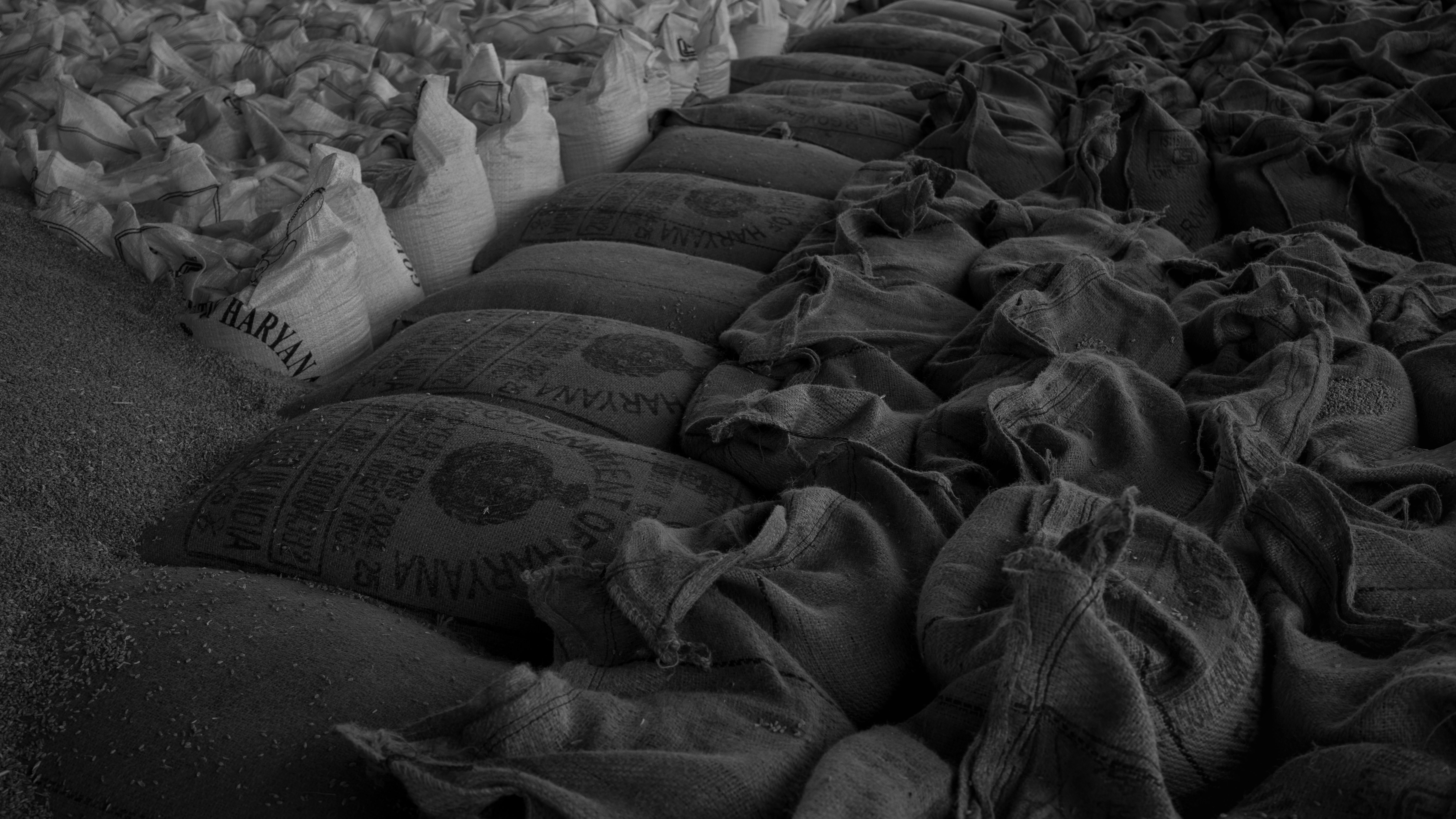
Img Src : Pexels
Possibly.
If traders and bulk buyers expect prices to rise further, they have an incentive to buy and hold more sugar today.
That can create a cycle:
Expectation of higher prices → more stocking → less immediate availability → higher prices → stronger expectations of further increases.
The government has identified speculation and hoarding by some sections of the trade as a factor behind the rise. Industry representatives have also argued that speculative stocking is amplifying the market rally.
This explains an important distinction: total sugar stocks and sugar available for immediate sale are not necessarily the same thing.
India's festive calendar is another major pressure point.
Demand for sugar rises as sweet shops, food companies, restaurants and households prepare for festivals. Businesses often buy raw materials in advance, which means expected demand can influence prices before the actual festive rush begins.
If buyers are already worried about supply, they may stock up even earlier.
That makes the current price rise partly a story about expectations - not just today's consumption.
Img Src : Pexels
The Centre has taken several measures.
Stock limits: Dealers have been restricted to holding up to 4,000 quintals (400 tonnes) of sugar, with stock declarations required.
Bulk-consumer limits: Large users consuming more than 10 tonnes a month face restrictions on how much inventory they can hold during the festive period.
Imports: The government has allowed 10 lakh tonnes (1 million tonnes) of raw sugar to be imported duty-free to improve domestic availability.
India sugar export restrictions: The government has also prohibited exports of raw, white and refined sugar until September 30, 2026, subject to specified exemptions.
The objective is straightforward: keep more sugar available domestically while preventing excessive stocking.
That depends on what happens next.
If imported sugar reaches the market quickly and stock limits reduce speculative buying, prices could ease. But strong festive demand, continued production concerns or tight global supplies could keep them elevated.
The next crushing season will be especially important because fresh production will show whether the current squeeze is temporary or more structural.
For consumers, the sugar cost per kg will ultimately depend on whether additional supply can catch up with demand before the festive peak.
So, why are sugar prices rising in India?
Not because the country has simply run out of sugar.
The bigger story is a tighter supply cushion meeting a nervous market. Lower production, weather-related crop damage, festive demand, global supply concerns and speculative stocking are all pushing prices higher.
Ethanol remains an important part of the debate, but the current evidence does not support blaming the entire surge on ethanol diversion.
The government's imports and stock controls could ease the pressure. The next few months will reveal whether this is a temporary price shock or a deeper problem in India's sugar supply chain.
Everything you need to know
The Centre says it is a combination of lower-than-expected domestic production, festive-season demand, weather damage to sugarcane crops, tightening global supplies, and speculation or hoarding by parts of the trade, according to an August 21, 2026 Consumer Affairs Ministry statement.
This is disputed. Some outlets and industry voices point to sugarcane diversion for ethanol blending as a key factor, but the Consumer Affairs Ministry has explicitly ruled out ethanol diversion as the primary cause, instead citing production shortfall, weather and hoarding.
The Centre has capped dealer stocks at 4,000 quintals with a 30-day holding limit (August 1 to November 30), restricted bulk consumers using over 10 tonnes a month to 15 days of stock (September 1 to November 30), and banned sugar exports until September 30 under a May 13 DGFT notification.





Oct 09, 2026
TUI Staff
Oct 09, 2026
TUI Staff
Oct 09, 2026
TUI Staff
Oct 08, 2026
TUI Staff
Oct 09, 2026
TUI Staff
Oct 09, 2026
TUI Staff
Oct 09, 2026
TUI Staff
Oct 09, 2026
TUI Staff

Stay informed with independent, fact-checked journalism on technology, environment, government, economy and more. India’s most trusted digital news platform.






Comments (0)
Be the first to comment!