
High-Protein Meals for Indians: Breakfast, Dinner and Snack Ideas That Actually Work
Eat Better, Stay Fuller
 IN
Tue, Oct 27, 2026 | 06:54 AM IST
IN
Tue, Oct 27, 2026 | 06:54 AM IST

Most people trying to lose fat look for a shortcut first. A detox drink. A no-carb plan. A strict dinner rule. But the simpler answer is often sitting on the plate already: protein.
Protein is not a magic fix. It will not cancel poor sleep, stress eating or a diet full of fried snacks. But it does one thing very well. It helps you feel full for longer, supports muscle health, and makes a balanced meal easier to repeat.
That is why nutrition experts often place protein at the centre of a fat-loss plate. The formula is simple: one solid protein source, plenty of vegetables, some fibre-rich carbs, and a little healthy fat.
For Indian readers with long workdays, irregular meal times and evening snack cravings, this structure can make healthy eating feel less like punishment and more like routine.
Protein supports fat loss because it helps you stay full for longer. GoodRx lists lean poultry, Greek yogurt, eggs and legumes among foods that can support weight loss while keeping meals satisfying.
Healthline says high-protein diets for weight loss are often around 1.2 to 2 grams per kilogram of body weight per day, though exact needs vary by person.
The goal is not to eat only protein. That is where many diets go wrong. The smarter approach is to include a protein source at breakfast, lunch and dinner instead of saving most of it for one meal. This could mean eggs or Greek yogurt in the morning, dal or tofu at lunch, and paneer, chicken, fish, beans or soy at dinner.
People with kidney disease, diabetes or other long-term medical conditions should speak with a doctor before following a high-protein diet. Mayo Clinic also advises medical guidance for people with such health conditions before increasing protein sharply.
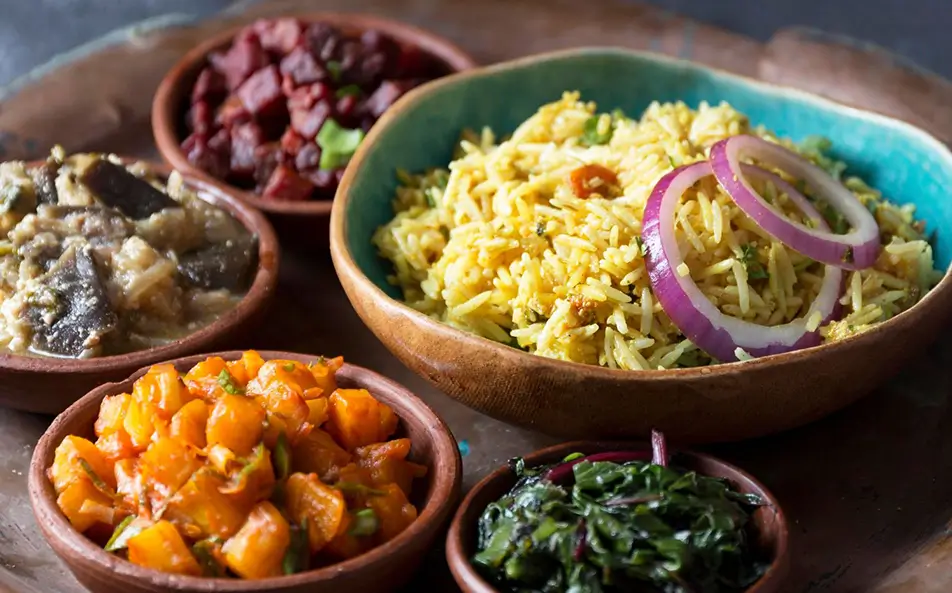
A good fat-loss meal does not need to look like a gym influencer’s meal box. It can look like normal Indian food, with better balance.
Think of the plate in four parts:
- A protein source such as paneer, tofu, eggs, curd, dal, rajma, chana, chicken or fish.
- A vegetable portion such as bhindi, beans, capsicum, cabbage, cucumber, spinach or mixed sabzi.
NIDDK says a healthy eating plan includes a variety of nutritious foods such as lean proteins, beans, lentils, whole grains, fruits and vegetables.
That is the real point. Weight loss does not need a dry, joyless plate. It needs a plate that keeps you full and is easy to repeat.
A Hindustan Times report recently highlighted high-protein dinner ideas shared by a fitness influencer for people trying to shed body fat. These included meals such as a yogurt bowl, chicken salad, egg wrap, tofu with vegetables, grilled salmon with cucumber, and black beans with chicken drumsticks.
Indian kitchens can adapt the same idea in simple ways:
These options can become satisfying dinners without feeling like “diet food.”
Many people start the day with tea and toast, then wonder why they are starving by 11 am. A protein-light breakfast often leads to more snacking later.
A better breakfast could be besan chilla with curd, paneer-stuffed roti, eggs with vegetables, Greek yogurt with fruit, oats with milk and nuts, or dal cheela with chutney.
Healthline recommends choosing quality protein sources and spreading intake across meals instead of depending on processed meats or one heavy meal at night.
This is where small changes help. You do not need to rebuild your full diet. You can start by fixing breakfast and dinner first.
A common mistake is turning a high-protein plan into a no-carb plan. That is not necessary for most people.
Carbs are not the enemy. The issue is usually the type and quantity. A bowl of dal-rice with vegetables is very different from repeated servings of sugary drinks, biscuits and fried snacks.
Fibre-rich carbs like oats, millets, brown rice, fruits, vegetables and legumes support digestion and fullness. Health.com recently noted that foods naturally high in protein, fibre and water can help keep people satisfied.
So the better rule is not “cut carbs.” It is “choose better carbs and control portions.”
The most useful diet rule is the one you can follow on a normal day.
You should be able to follow it on a workday, during exam season, while travelling, or when eating home-cooked food. That is why protein-first meals work better than extreme plans for many people.
Healthy eating is not about eating perfectly every day. It is about building meals that reduce hunger, support energy and stop the constant cycle of cravings.
If your lunch keeps you full, you are less likely to attack chips at 5 pm. If dinner has enough protein and vegetables, late-night snacking becomes easier to control.
Protein can support weight loss, but it works best as part of a balanced plate, not as a standalone obsession.
For most people, the smarter move is simple: add a good protein source to every meal, keep vegetables on the plate, choose moderate carbs, and avoid crash diets.
A protein-rich diet should make you feel stronger, steadier and less hungry. It should not make you afraid of food.
The best fat-loss plan is not the strictest one. It is the one you can repeat for months without feeling drained, deprived or constantly hungry.
Everything you need to know
Per Spatz Medical, aim for roughly 25 to 35 grams of protein per meal, based on a daily target of 0.8 to 1.2 grams of protein per pound of body weight.
According to Hindustan Times and Heal Nourish Grow, examples include a yogurt bowl, oat porridge with a boiled egg, chicken salad, an egg wrap, tofu with vegetables, grilled salmon with cucumber, chicken quinoa bowls, and black beans with chicken drumsticks.
Protein-rich meals improve satiety, meaning you stay full longer and are less likely to snack, per GoodRx and Heal Nourish Grow, which recommend pairing lean protein with vegetables and a moderate carb at each meal.






Oct 26, 2026
TUI Staff
Oct 26, 2026
TUI Staff
Oct 26, 2026
TUI Staff
Oct 21, 2026
TUI Staff
Oct 26, 2026
TUI Staff
Oct 26, 2026
TUI Staff
Oct 25, 2026
TUI Staff
Oct 23, 2026
TUI Staff

Stay informed with independent, fact-checked journalism on technology, environment, government, economy and more. India’s most trusted digital news platform.





Comments (0)
Be the first to comment!