
Parul Gulati's Goa Airbnb Story Is a Reality Check for Every Investor
When expectations meet the market, reality becomes the biggest teacher.
 IN
Sun, Sep 20, 2026 | 05:47 PM IST
IN
Sun, Sep 20, 2026 | 05:47 PM IST


"Buy a luxury villa in Goa, list it on Airbnb, and earn lakhs every month." That's the dream social media often sells.
Over the past few years, influencers, celebrities, and entrepreneurs have showcased luxury vacation homes as the ultimate passive income investment. But actor and entrepreneur Parul Gulati has reminded everyone that real-life investing isn't as effortless as Instagram reels make it look.
In a recent interview, she admitted that she isn't earning the widely discussed ₹40,000 per night from her Goa villa as many had assumed. Reflecting on the experience, she candidly said, "Reality hit me." Her remarks came nearly two years after her ambitious plan to turn her luxury villa into a premium Airbnb sparked conversations across social media.
While the headline grabbed attention, the bigger story isn't about a celebrity's investment. It's about understanding how businesses actually work. Whether you're planning to invest in real estate, start a homestay, or explore the growing Airbnb market in Goa and infacct across locations, Parul's experience offers valuable lessons that go far beyond celebrity gossip.
Known for balancing a successful acting career with entrepreneurship, Parul Gulati has built a reputation for speaking openly about business. As the founder of Nish Hair, she has often shared both her wins and challenges, making her journey relatable to aspiring entrepreneurs.
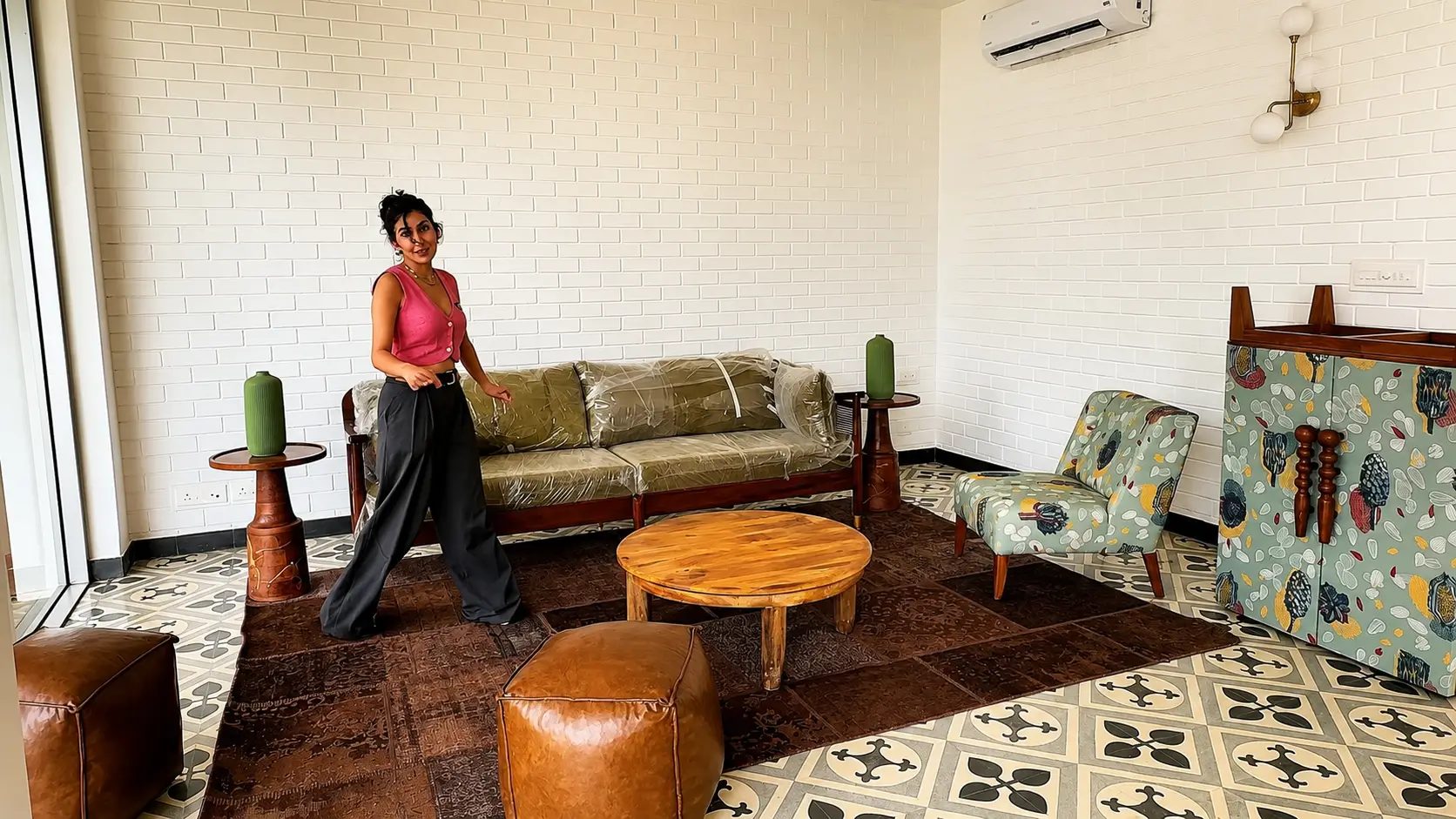
In 2024, she revealed that she had purchased a luxury villa in Goa with plans to rent it out through Airbnb for around ₹40,000 per night. She also shared that she intended to brand the property as "Malkin's House." The announcement quickly went viral.
While some applauded her entrepreneurial mindset, many questioned whether such pricing was realistic. Others used the opportunity to discuss the changing face of Goa tourism, where luxury vacation rentals have become increasingly common alongside traditional hotels and resorts.
Recently, however, Parul acknowledged that expectations and reality don't always match. According to her, market demand, occupancy, and customer preferences ultimately determine what a property can earn-not the owner's expectations.
The popularity of Airbnb Goa has grown rapidly over the past few years. Travellers today often prefer private villas, boutique apartments, and unique local stays over conventional hotels, creating new opportunities for homeowners.
At the same time, increased demand has encouraged thousands of new property owners to enter the market, making competition tougher than ever.
Industry reports indicate that Goa remains one of India's largest short-term rental destinations, with thousands of active listings competing for bookings throughout the year. While luxury properties continue to attract travellers during peak holiday seasons, occupancy and pricing fluctuate significantly during off-season months.
That means even premium villas cannot expect consistent high returns every single night.
For investors, this is an important reminder that revenue projections should always be backed by market research rather than assumptions.
Img Src : The Indian Express
One of the biggest misconceptions surrounding vacation rentals is that they generate effortless income.
In reality, operating a successful homestay in Goa requires continuous effort.
Owners must manage bookings, respond to guest queries, coordinate housekeeping, arrange repairs, monitor online reviews, adjust pricing based on demand, and maintain the overall guest experience. On top of that, there are recurring expenses such as maintenance, utilities, staffing, taxes, platform commissions, and marketing.
Simply purchasing a beautiful property doesn't guarantee profitability.
Whether it's a luxury villa or a boutique homestay, long-term success depends on delivering a consistently positive experience that encourages bookings and repeat guests.
The evolution of tourism in Goa has transformed the way people travel.
Instead of choosing hotels alone, many visitors now look for spacious villas, family-friendly holiday homes, and locally hosted experiences. This shift has created exciting opportunities for entrepreneurs while also making the market more competitive.
For investors, understanding the seasonal nature of tourism in Goa is essential.
Demand typically rises during festivals, long weekends, Christmas, and New Year celebrations. However, bookings can slow considerably during the monsoon and off-season months, requiring flexible pricing strategies to maintain occupancy.
In short, successful property owners adapt to market conditions instead of expecting the market to adapt to them.
Parul Gulati's experience highlights several practical lessons for anyone considering a real estate investment.
The conversation around Parul Gulati isn't really about one villa or one celebrity.
It reflects a broader trend where social media often presents investing as a shortcut to financial freedom without showing the operational challenges behind every successful business.
Whether someone is planning to buy a second home, invest in a homestay in Goa, or explore opportunities in the Airbnb ecosystem, informed decision-making will always matter more than viral success stories.
That's what makes Parul's admission both refreshing and relevant.
Parul Gulati's Goa Airbnb journey isn't a story of failure-it's a reminder that every investment comes with a learning curve.
The growth of Goa tourism continues to create opportunities for property owners, but sustainable returns require careful planning, realistic expectations, and a deep understanding of the market. Luxury homes alone don't guarantee success. Guest satisfaction, pricing strategy, location, and operational excellence play equally important roles.
Perhaps that's why Parul's honest admission has resonated with so many people. Instead of presenting a picture-perfect success story, she acknowledged the realities of entrepreneurship-something every investor, whether experienced or first-time, can learn from.
Sometimes, the best investment advice doesn't come from spreadsheets or social media. It comes from real experiences that remind us that successful businesses are built through patience, adaptability, and an understanding of how markets truly work.
Everything you need to know
Parul Gulati recently admitted that her Goa Airbnb isn't earning the expected ₹40,000 per night, saying that "reality hit" after experiencing the challenges of running a vacation rental business.
When Parul Gulati announced her Goa villa in 2024, she planned to list it at around ₹40,000 per night. However, she has since clarified that actual earnings depend on market demand, occupancy, and competition.
Parul Gulati's journey highlights that successful Airbnb investments require realistic pricing, consistent occupancy, excellent guest experiences, and active property management rather than relying solely on high nightly rates.
Yes, investing in an Airbnb Goa property or a homestay in Goa can be profitable, but returns depend on factors such as location, seasonality, pricing strategy, guest reviews, and operational efficiency.
Growing Goa tourism continues to attract domestic and international travellers looking for unique vacation experiences. This demand has boosted the popularity of private villas and Airbnb properties, although increasing competition means investors need strong planning and market research.






Sep 19, 2026
TUI Staff
Sep 18, 2026
TUI Staff
Sep 17, 2026
TUI Staff
Sep 15, 2026
TUI Staff
Sep 19, 2026
TUI Staff
Sep 19, 2026
TUI Staff
Sep 17, 2026
TUI Staff
Sep 17, 2026
TUI Staff

Stay informed with independent, fact-checked journalism on technology, environment, government, economy and more. India’s most trusted digital news platform.






Comments (0)
Be the first to comment!