
Manipuri guitarist Killed in Delhi: The Story of Vikram Singh Chongtham and What Happened?
A musician’s life, a fatal dispute, unanswered questions
 IN
Fri, Oct 23, 2026 | 09:03 PM IST
IN
Fri, Oct 23, 2026 | 09:03 PM IST


A complaint about late-night noise ended in a death that has shaken Manipur’s music community. Here is what happened to Vikram Singh Chongtham, who he was, and what the Delhi Police investigation has found so far.
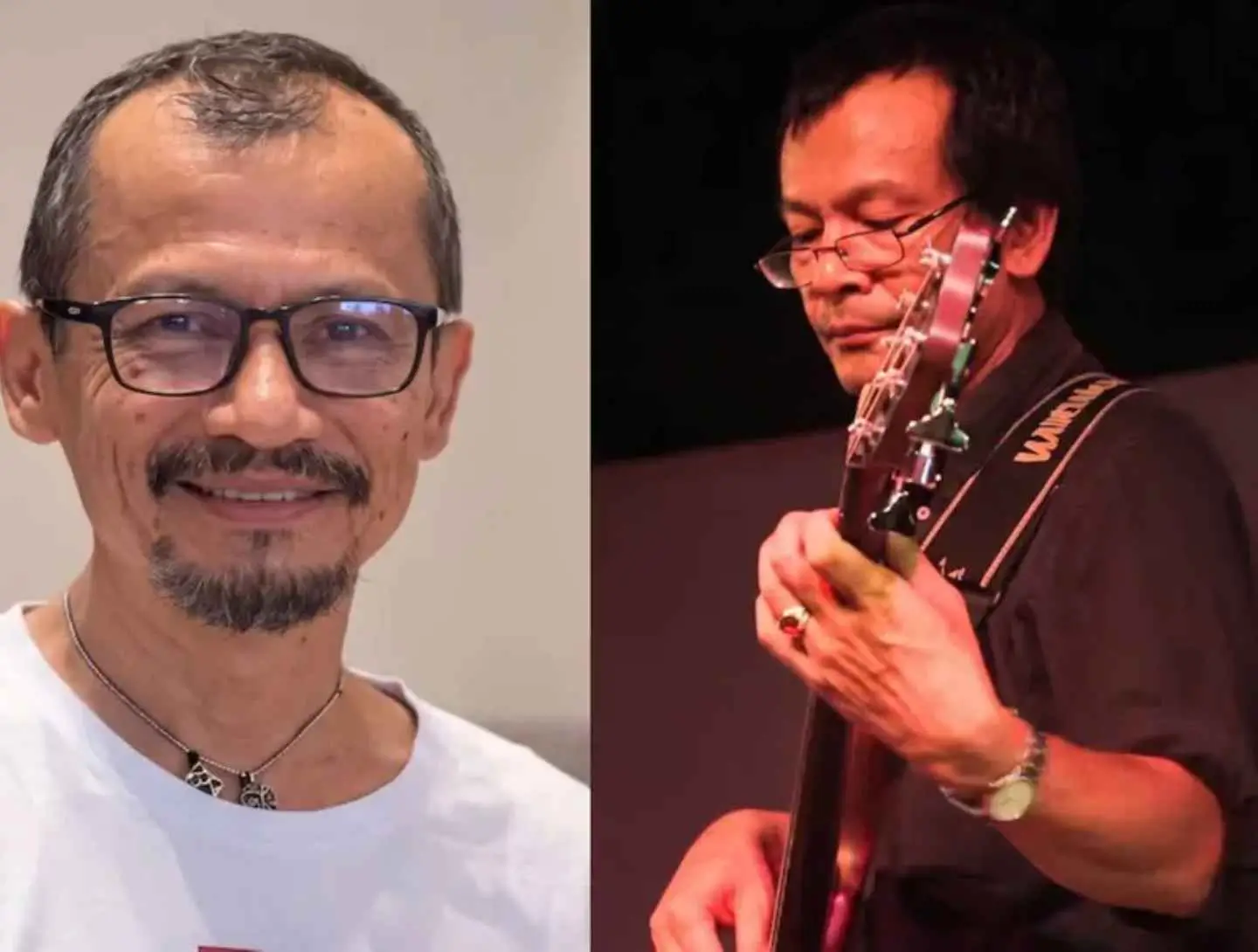
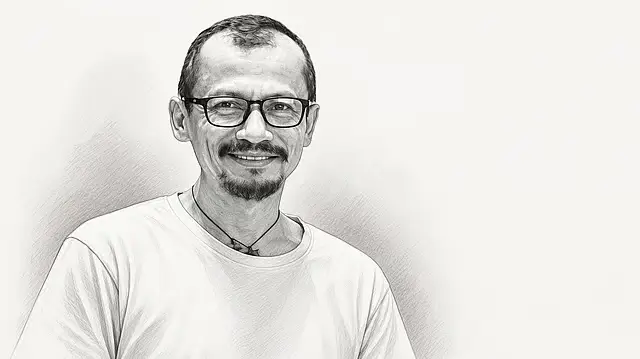
Chongtham Vikram Singh, 55, was a Manipuri guitarist, music teacher and mentor who had spent decades around music in Manipur and Delhi. He died on Monday morning after he was allegedly assaulted by a group of men near his home in Kilokari village, southeast Delhi. According to police and family accounts reported by The Indian Express, Singh had gone downstairs after objecting to noise and disturbance near his residence.
Singh was not simply the victim of a neighbourhood dispute. He was part of Manipur’s rock music movement, later built a career teaching and mentoring musicians in Delhi, and came from a family with deep roots in the state’s cultural life.
Seven men have been arrested and a 15-year-old boy has been apprehended in connection with the case. Police have registered a case for mob lynching, while the exact sequence of events and motive remain under investigation.
For many people, Singh’s name surfaced only after his death. In Manipur’s music circles, however, his journey began decades earlier.
Originally from Thangmeiband Lourung Purel Leikai in Imphal West, Singh emerged from Manipur’s rock scene in the early 1980s. He began with Ultra Vires and later became the lead guitarist of Phoenix, an influential rock band from the period. He was also associated with Eastern Dark.
Phoenix frontman Vivek Sharma remembered Singh as someone who rarely sought attention. His contribution often came through the work that happened away from the spotlight - helping bands, maintaining standards and making sure things worked.
That quiet reputation became part of Singh’s legacy.
Img Src : Lokmat
Singh eventually moved to Delhi, where he spent around 17 years continuing his work in music.
He established a music school, taught students from home and worked at the Delhi School of Music. He also took part in the Rock’n’Roots project and collaborated with Rajasthani folk singer Mame Khan.
For Singh, music had moved beyond performance. It became teaching, mentoring and passing knowledge to another generation.
His story also sits within a larger cultural picture. Manipur’s artistic and social developments continue to draw national attention, including recent reporting on education and public life in the state.
The incident took place late on Sunday, September 6, in Kilokari village.
According to police and family accounts, Singh objected to a group making noise and creating a disturbance near his residence. Reports identified people involved as food delivery workers and staff associated with nearby dhabas.
The confrontation allegedly escalated into a physical assault. Singh was seriously injured and later taken to Holy Family Hospital in Okhla by his son, Yaiphaba.
CCTV footage reviewed by police has also become an important part of the investigation. A later Indian Express report said two recordings from the residential building showed the accused leaving at about 12:06 am, while Singh’s family members were seen taking him towards the hospital around 12:16 am.
Singh later died from his injuries. The hospital report cited haemorrhagic shock caused by blunt-force trauma as the cause of death.
Img Src : Open Magazine
The police investigation has so far led to seven arrests and the apprehension of a 15-year-old boy.
Police said the accused are aged between 15 and 36 and were involved in packaging and delivering food from nearby dhabas. The FIR was registered under the Bharatiya Nyaya Sanhita in connection with the alleged mob lynching.
The Delhi murder case remains under investigation. An arrest does not establish guilt. The evidence against each accused and their individual roles will have to be determined through the legal process.
This is one of the most closely watched questions surrounding the case.
Members of the Northeast community have raised concerns about whether Singh’s identity as a Manipuri played a role in the assault. Community members have called for a swift and impartial investigation.
But there is an important distinction: Delhi Police have not established a racial motive at this stage.
That means the allegation should not be presented as a confirmed fact. Investigators will have to determine whether prejudice or any other motive played a role.
For now, the known sequence begins with a dispute over noise and ends with a fatal assault. The motive behind the violence remains a matter for investigation.
Singh also came from a family closely connected with Manipur’s arts.
His mother, Chongtham Kamala, was a celebrated Manipuri classical and playback singer. She lent her voice to Matamgi Manipur, regarded as the first Manipuri feature film, and was an approved broadcast singer with All India Radio, Imphal. She has also been described as the “Lata Mangeshkar of the Manipuri film industry.”
Singh’s cousin, filmmaker Lakshmipriya Devi, directed Boong. The film became the first Indian film to win a BAFTA Award, according to The Indian Express.
Singh is survived by his wife, Jyotsana, and their 20-year-old son, Yaiphaba.
The response has extended beyond the music community.
Members of the Northeast community gathered outside Sunlight Colony Police Station and demanded a fair investigation. The North East Students’ Society, Delhi University, also condemned the alleged assault. Former Manipur Chief Minister N. Biren Singh expressed grief and called for swift action.
The case has raised difficult questions about safety, prejudice and the way everyday disagreements can spiral into violence.
Those questions deserve attention. They also deserve evidence.
The circumstances of Singh’s death are still being investigated. Police will have to establish the full sequence of events, the roles of those arrested and the motive behind the alleged assault.
But Singh’s life should not be reduced to the night he died.
He was a Manipuri guitarist who came through Manipur’s early rock scene. He was a music teacher who spent years helping younger musicians find their footing. And he was a mentor whose contribution, according to people who knew him, often happened without much public recognition.
A dispute over noise lasted only a short time. Singh’s musical journey lasted decades.
The investigation will determine what happened that night. His contribution to music, however, is a part of his story that will remain long after the headlines fade.
Everything you need to know
Vikram Singh Chongtham was a 55-year-old musician from Manipur who performed with bands including Ultra Vires, Phoenix and Eastern Dark. He later moved to Delhi, where he taught music and mentored aspiring musicians.
He was allegedly assaulted after objecting to noise and disturbance near his residence in southeast Delhi on September 6, 2026. He was taken to hospital by his son and died from injuries caused by blunt-force trauma, according to the hospital report cited by The Indian Express.
Delhi Police have arrested seven men and apprehended a 15-year-old boy in connection with the case.
A possible racial motive has been raised by members of the Northeast community, but Delhi Police have not established such a motive so far. The investigation is continuing.
The alleged assault took place near Singh’s residence in Kilokari village, in southeast Delhi. The case is being investigated by Delhi Police.




Oct 23, 2026
TUI Staff
Oct 23, 2026
TUI Staff
Oct 23, 2026
TUI Staff
Oct 23, 2026
TUI Staff
Oct 23, 2026
TUI Staff
Oct 23, 2026
TUI Staff
Oct 23, 2026
TUI Staff
Oct 23, 2026
TUI Staff

Stay informed with independent, fact-checked journalism on technology, environment, government, economy and more. India’s most trusted digital news platform.



Comments (0)
Be the first to comment!