
Kishore Kumar Biography Wins the ‘Best Cinema Book’ But Patna HC Seeks Answers
A National Award, a courtroom question, and Kishore Kumar.
 IN
Sat, Sep 19, 2026 | 03:30 PM IST
IN
Sat, Sep 19, 2026 | 03:30 PM IST


What happens when a celebrated Kishore Kumar biography wins a National Film Award, only to face a legal challenge over whether it actually qualifies as the best cinema book? That is the question currently before the Patna High Court - and it has sparked an interesting debate about the difference between documenting a film personality and writing about Indian cinema itself.
The book in question, Kishore Kumar: The Ultimate Biography, has now become the centre of a legal dispute involving award guidelines, jury decisions and the definition of cinema-related literature. While nobody can deny Kishore Kumar’s enormous contribution to Indian entertainment, the petitioner wants to know whether a biography focused on his life and career fits the eligibility criteria of the award category.
Here’s a closer look at the controversy, the petitioner’s arguments, the court’s response and what could happen next.
Written by Anirudha Bhattacharjee and Parthiv Dhar and published by HarperCollins, Kishore Kumar: The Ultimate Biography received the Best Book on Cinema honour at the 70th National Film Awards. The winners were announced on August 16, 2024, while the awards were presented at Vigyan Bhawan in New Delhi on October 8, 2024.
According to the official announcement issued by the Press Information Bureau, the book was recognised under the Best Writing on Cinema category. Both authors received the Swarna Kamal and a cash prize of ₹1 lakh each. The official National Film Awards catalogue also describes the book as an extensive account of Kishore Kumar’s life, music and multifaceted career.
However, the award has now been challenged by Anant Prasad Sinha, a Patna-based Hindi writer and literary critic. His petition questions whether the book fulfilled the eligibility requirements laid down for the category. The dispute, therefore, is not about Kishore Kumar’s popularity or his contribution to films, but about whether the Kishore Kumar book was correctly classified as a book on cinema.
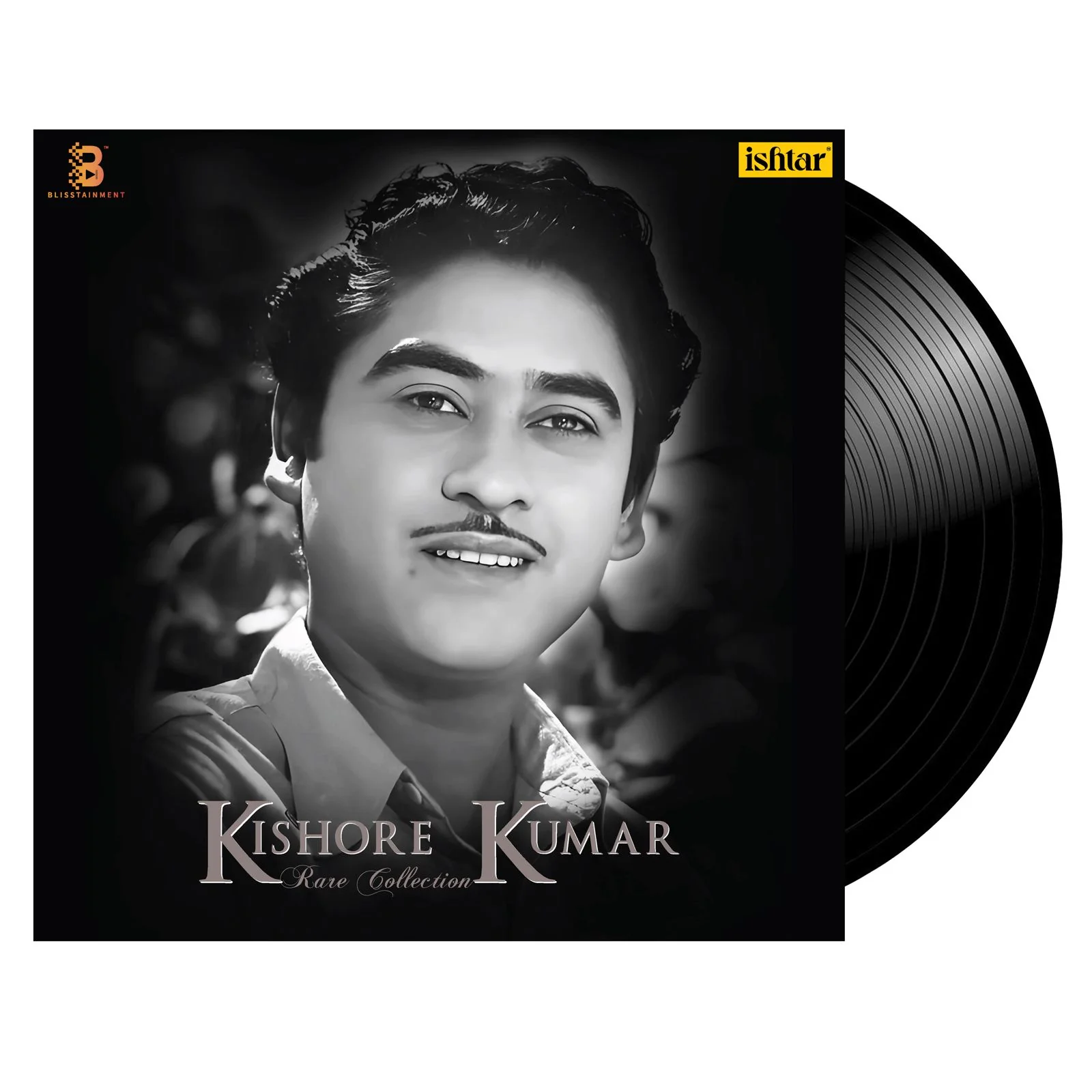
Img Src : The Revolver Club
The Best Book on Cinema category is intended to recognise books that explore cinema and contribute to the understanding, discussion or documentation of Indian filmmaking. As per the official regulations issued by the Ministry of Information and Broadcasting, the award is given to a book on cinema published in India, in any language, during the specified eligibility period.
Sinha’s objection is that Kishore Kumar: The Ultimate Biography primarily focuses on Kishore Kumar’s life as a singer and actor. According to his argument, a book about a film personality cannot automatically be treated as a book about Indian cinema simply because the person was associated with the industry.
The petitioner has questioned whether the jury examined the book from the perspective of cinema studies or considered Kishore Kumar’s professional association with films sufficient for qualification. The Patna High Court has now sought a response from the concerned authorities on how the book was evaluated under the award guidelines.
The issue was reported by The Indian Express and Hindustan Times, both of which highlighted the court’s query regarding the classification of the book.
The petition was filed by Anant Prasad Sinha, a Hindi writer and literary critic from Patna who writes under the pen name “Anant”. He has reportedly sought the quashing of the award granted to Kishore Kumar: The Ultimate Biography, alleging that the prescribed eligibility criteria were not followed during the selection process.
Sinha’s argument raises a larger question about the way literary and cinematic awards define their categories. A biography can focus on a person’s personal life, professional journey and achievements, but that does not necessarily mean it examines the larger field in which that person worked. The petitioner believes this distinction is important when deciding whether a book qualifies for a specialised award such as the best cinema book honour.
The case also brings attention to the evaluation process behind national awards, particularly how juries interpret broad terms such as “cinema” while reviewing books from different genres and perspectives.
To explain his objection, Sinha reportedly used an analogy involving Dr B.R. Ambedkar. He questioned whether a biography of a prominent personality should automatically qualify for an award connected to a particular subject merely because that person had a relationship with that field.
His argument was summed up in the following question:
“If a biography of Kishore Kumar can be called a book on Indian cinema, can a biography of B.R. Ambedkar be called a book on the Indian Constitution?”
The comparison is intended to underline the difference between writing about an individual and writing about the discipline, institution or subject associated with that individual. In Sinha’s view, a biography of a singer-actor may document an important life story without necessarily being a study of Indian cinema.
However, it is important to note that this remains the petitioner’s argument. The Patna High Court has not yet ruled that the book was ineligible or that the award was wrongly granted.
The petition reportedly refers to Sinha’s own work, Do Gulfamo Ki Teesri Kasam, which examines the literary and cinematic journey connected with Teesri Kasam. The film was based on Phanishwar Nath Renu’s story Maare Gaye Gulfam and is regarded as an important work in the history of Hindi cinema.
Sinha has argued that his book fulfilled the requirements for the award category and deserved consideration. His contention appears to be that a work examining the relationship between literature and filmmaking was more directly connected to cinema than a biography focused primarily on a film personality.
That said, the available reports do not establish that the court has accepted this claim or declared Sinha’s book the rightful winner. At present, the proceedings are focused on the interpretation of the award guidelines and the selection process followed by the authorities.
Justice Ajit Kumar heard the matter and issued notices to the Ministry of Information and Broadcasting and the National Film Development Corporation. The court has sought clarification regarding the concerns raised in the petition and the basis on which the book was selected for the award.
According to the court proceedings quoted by The Indian Express, the Union government’s counsel sought three weeks to file a specific counter-affidavit addressing the petitioner’s grievances. News18 also reported that the petition named other parties connected with the award process, including jury members and the book’s authors.
At this stage, the award has not been cancelled. The court has only sought responses from the concerned parties, and no final judicial conclusion has been reported. The next developments will depend on the explanations submitted by the authorities and the court’s subsequent consideration of the matter.
This is perhaps the most interesting part of the debate. Kishore Kumar was not merely a playback singer whose voice became popular through Hindi films. He was also an actor, composer, filmmaker, comedian and one of the most distinctive creative personalities in Indian entertainment.
His performances in films such as Half Ticket, Padosan and Pyar Kiye Jaa remain popular, while his songs continue to define some of the most memorable moments in Hindi cinema. His work as a singer, actor and creative artist crossed several areas of the film industry, making his career closely connected with the evolution of Hindi cinema.
The official National Film Awards catalogue describes Kishore Kumar: The Ultimate Biography as a researched account of his life, music and multifaceted career. The book reportedly draws on more than three decades of research and explores different aspects of his professional and personal journey.
This gives supporters of the award a reasonable perspective: documenting Kishore Kumar’s career could also mean documenting a substantial part of Indian cinema’s cultural history. However, the legal question is more specific. The court must consider whether the book meets the formal definition and eligibility requirements of the award category, rather than simply determine whether Kishore Kumar was important to cinema.
The Ministry of Information and Broadcasting and the National Film Development Corporation are expected to respond to the court’s queries through a counter-affidavit. Their submissions may clarify how the award guidelines were interpreted and what factors influenced the jury’s decision.
The proceedings could examine whether the book’s subject matter falls within the official definition of a book on cinema, how the submitted entries were assessed and whether the selection process followed the prescribed rules. The court may also consider the petitioner’s claim that his own work met the category’s requirements.
Until the court reviews these responses, the award remains under legal challenge and not judicially invalidated. For now, the case has opened up a larger conversation about what qualifies as cinema writing - and whether the story of a legendary film personality can, in itself, be considered a study of Indian cinema.
Editorial note: This article is based on publicly available court reports, official National Film Awards documents and published information about the book. The petitioner’s allegations have been presented as claims, and no final conclusion has been drawn before the court’s decision.
Everything you need to know
The book is facing a legal challenge because petitioner Anant Prasad Sinha has alleged that it did not meet the eligibility requirements for the Best Book on Cinema category at the National Film Awards.
The book was written by Anirudha Bhattacharjee and Parthiv Dhar and published by HarperCollins.
The book won the Best Book on Cinema honour at the 70th National Film Awards. The winners were announced on August 16, 2024, and the awards were presented on October 8, 2024.
The petitioner argues that the book primarily focuses on Kishore Kumar’s life as a singer and actor and questions whether that automatically makes it eligible for the best cinema book category.
No. The court has issued notices and sought explanations from the concerned authorities. No final decision cancelling the award has been reported.





Sep 18, 2026
TUI Staff
Sep 17, 2026
TUI Staff
Sep 15, 2026
TUI Staff
Sep 15, 2026
TUI Staff
Sep 19, 2026
TUI Staff
Sep 19, 2026
TUI Staff
Sep 17, 2026
TUI Staff
Sep 17, 2026
TUI Staff

Stay informed with independent, fact-checked journalism on technology, environment, government, economy and more. India’s most trusted digital news platform.




Comments (0)
Be the first to comment!