
ICC's New ODI World Cup Format Change Sparks Fury as Smaller Cricket Nations Face Tougher Road
Big Matches, Bigger Questions
 IN
Sat, Oct 17, 2026 | 01:07 AM IST
IN
Sat, Oct 17, 2026 | 01:07 AM IST

The International Cricket Council has redrawn the format of both the ODI World Cup and the T20I World Cup, and the changes have already split the sport. The ICC Board approved the new structures after its annual meetings in Edinburgh, introducing a three-stage format for the 2027 ODI World Cup and a Super 10-plus-Eliminators model for the 2028 T20 World Cup.
For Indian fans, the redesign looks attractive on the surface: more high-stakes matches, more heavyweight clashes, and a stronger chance of repeat meetings between India, Pakistan and other top-ranked sides if they keep progressing. But for smaller cricket nations such as the Netherlands, Scotland and Ireland, the same overhaul raises a harder question: are they being invited to the world stage, or being asked to qualify twice?
The 2027 ODI World Cup will still have 14 teams, but it will no longer work like a simple group-stage-to-knockout tournament. Under the revised model, the three lowest-ranked qualified teams, listed as Teams 12, 13 and 14, will first play a round-robin Super Series. Only the winner of that mini-stage will move forward.
That winner will join the other 11 teams in Round 2, where 12 sides will be split into two groups of six. Each group will play a round-robin, giving the tournament 30 matches in that phase. The top three from each group, along with the next highest-placed team across the two groups, will then move into a seven-team Super 7.
The Super 7 will be another round-robin stage. After that, the top four teams will qualify for the semifinals, with first playing fourth and second playing third. The Guardian reported that the tournament will have 57 matches in total, beginning on October 4 and ending with the final on November 21.
That is the format the ICC says will bring more context, competitiveness and consequence. The criticism is that it makes life tougher for the teams at the bottom of the qualification list. They may have already earned a World Cup place, but if they enter as one of the three lowest-ranked qualifiers, two of them will be out after the Super Series before the main group phase even begins.
The 2028 T20 World Cup keeps its 20-team group stage but reshuffles it into five groups of four instead of four groups of five. The second stage grows from an eight-team Super 8 to a 10-team Super 10, and new 'Eliminator' matches will let second and third-placed teams from Super 10 groups fight for the last semi-final spots, per Sky Sports.
One quirk stings more than most. Scotland played at the 2026 T20 World Cup, yet it is the only team from that edition told it must now go through the European regional qualifiers to reach 2028, Sky Sports reported. The ICC has softened the blow slightly by granting Scotland direct entry into the Europe Regional Final, but the message to a team that just competed at a World Cup is unmistakable: no guarantees.
The backlash is not just about format complexity. It is about fairness. The strongest criticism of the new ODI structure is that the bottom three qualified teams are being treated differently from the rest of the field. They qualify for the World Cup, but then have to survive a play-in before reaching the part of the tournament where the bigger teams begin.
That is why the Associate cricket debate has become central to the story. The ICC says the system is designed to make matches more meaningful from the start. Critics argue that the price of that “meaning” is being paid mostly by smaller cricket nations, who already play fewer high-profile matches and have fewer chances to build commercial value.
Former India spinner Ravichandran Ashwin also flagged the same concern on social media, arguing that emerging teams need a stronger and more meaningful pathway. He specifically pointed to teams such as the Netherlands, Scotland, USA, Nepal and Ireland, whose growth depends on regular games against top opposition, not just short qualification windows.
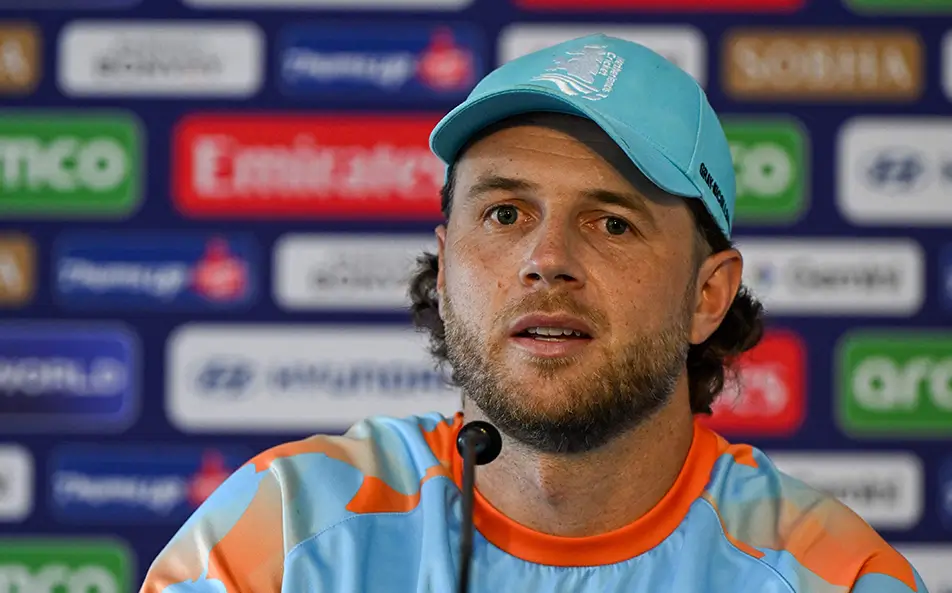
The Netherlands is exactly the kind of side these reforms bite hardest. Dutch cricket has built its reputation on shock wins over full members, upsets that made names like Max O'Dowd familiar to Indian fans who otherwise rarely see Associate cricket on the big stage. Under the new system, a team like the Netherlands, if it lands in one of the bottom qualifying slots, would have to fight through the Super Series play-in just to reach the group stage that established nations enter automatically. That is a steeper climb than the one Associate teams have faced at recent World Cups.
There is a partial olive branch. The ICC has also endorsed a proposed 16-team Global Tournament exclusively for Associate nations, meant to serve as a marquee qualifying event before future T20 World Cups, per Geo.tv. But it still needs sign-off from the ICC's Finance and Commercial Affairs Committee in November 2026, so nothing is locked in yet.
None of this changes India’s own path very much. India is firmly positioned among the top teams in both formats, so the new ODI Round 2 and Super 7 stages are more likely to create additional big matches rather than new qualification pressure. The revamped structure also increases the chance of multiple India-Pakistan meetings if both sides keep advancing.
That is why the debate matters beyond India’s fixtures. For broadcasters and big boards, repeated heavyweight contests are good business. For emerging teams, the concern is whether the World Cup is still a place to grow, or only a place where they must keep proving they deserve to be seen.
As India gears up for its next ODI series, detailed in TUI’s preview of the India vs England 1st ODI at Edgbaston, the bigger question is about cricket’s balance. The ICC wants more meaningful matches. Smaller nations want meaningful access. The success of this format will depend on whether world cricket can deliver both.
Everything you need to know
The ICC has introduced a three-stage structure for the 2027 ODI World Cup, including a Super Series for the three lowest-ranked qualified teams, followed by Round 2, a Super 7 stage and then semifinals.
Critics argue that the lowest-ranked qualified teams are being asked to prove themselves again before reaching the main group stage, making the path harder for Associate nations.
The 2028 T20 World Cup will have five groups of four, followed by a Super 10 stage and new Eliminator matches for semifinal qualification.
India’s qualification path is unlikely to become harder, but the new structure may create more high-profile matches and increase the chances of repeat India-Pakistan clashes.
The Netherlands is an example of an Associate side that has grown through World Cup exposure. Under the new model, a team in a lower qualifying slot may have to survive an extra play-in stage before facing the bigger teams.

Oct 16, 2026
TUI Staff
Oct 16, 2026
TUI Staff
Oct 09, 2026
TUI Staff
Oct 06, 2026
TUI Staff
Oct 15, 2026
TUI Staff
Oct 15, 2026
TUI Staff
Oct 15, 2026
TUI Staff
Oct 14, 2026
TUI Staff

Stay informed with independent, fact-checked journalism on technology, environment, government, economy and more. India’s most trusted digital news platform.



Comments (0)
Be the first to comment!