
Foreign Investment in India: $5.68 Billion Returns to Stocks, but Will Investors Stay?
Foreign money is returning, but lasting investment demands deeper confidence.
 IN
Wed, Nov 11, 2026 | 06:37 PM IST


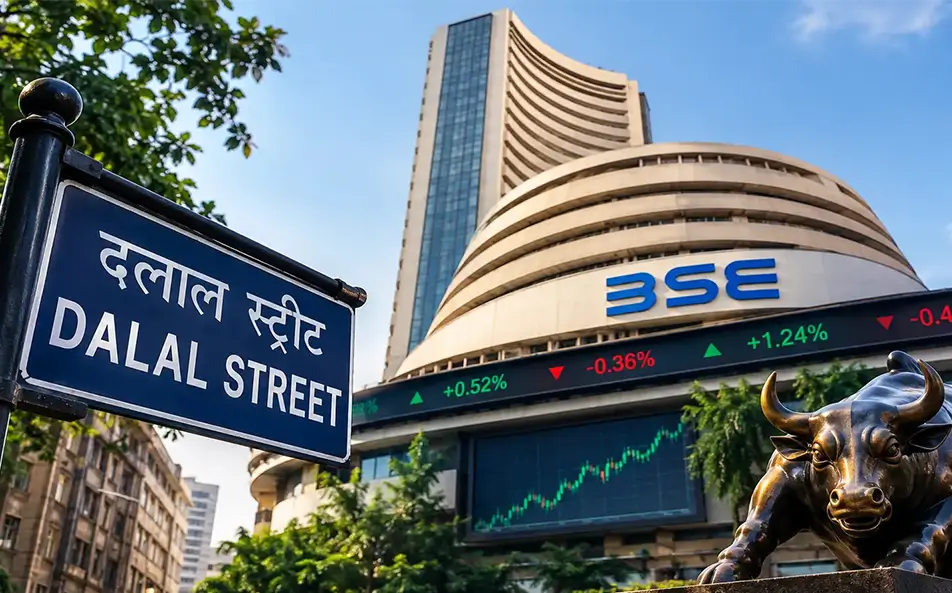
Foreign portfolio investors have made a striking return to Indian shares, with Reuters reporting $5.68 billion in net purchases for November 2026 through November 9. On November 5 alone, provisional exchange data showed ₹147.96 billion, approximately $1.6 billion, of net buying—the largest single-day purchase since February 2021.
The reversal is significant, but it is not proof of a lasting shift in foreign investment. Money entering listed shares can leave quickly. Establishing factories, research centres and export operations requires much longer commitments and greater confidence in India's institutions.
The recovery followed record selling earlier in 2026. Reuters estimated overseas investors had withdrawn about $30 billion from Indian equities through October. Business Today subsequently reported ₹53,739 crore of net equity purchases during November 2–9, while a different published series cited ₹53,172 crore for a similar period. The figures should be identified by source rather than treated as identical.
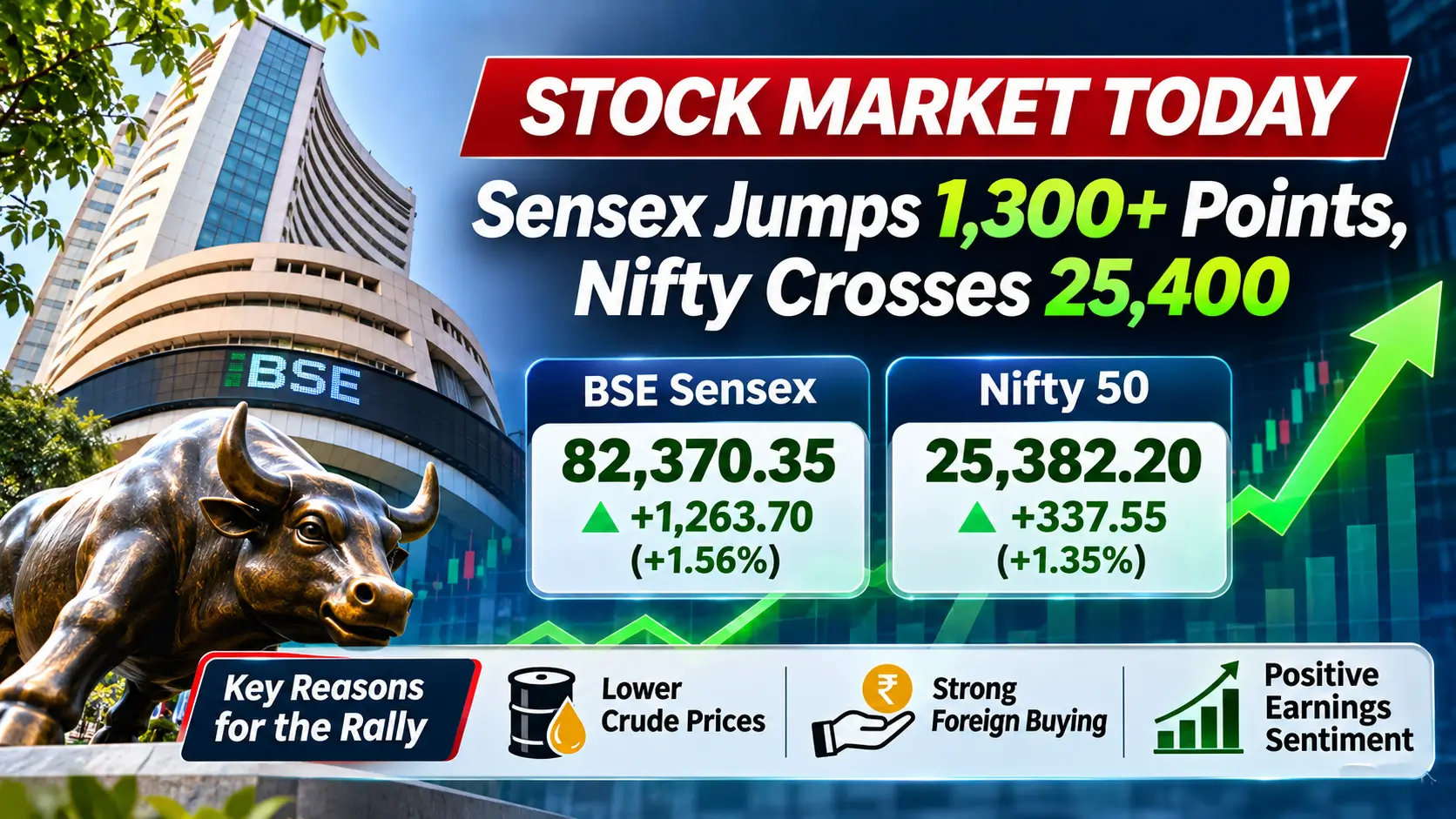
Several factors improved sentiment. Lower crude prices eased pressure on an oil-importing economy, while global concerns about expensive artificial-intelligence shares encouraged investors to diversify. Indian corporate earnings and more attractive large-company valuations also supported buying.
The November gains do not erase the year's losses. Business Today still reported roughly ₹2,41,406 crore in net equity outflows for 2026 on its year-to-date measure. HSBC's upgrade of Indian equities to overweight signalled improving expectations, but neither a broker recommendation nor one strong month guarantees a durable trend.
Foreign portfolio investment and Foreign direct investment (FDI) serve different purposes. Portfolio investors typically purchase tradable securities; businesses making direct investments plan facilities, hire workers and commit management resources. Stronger market prices can reduce financing costs, yet stock purchases do not automatically become new factories.
That is why Policy predictability is central to attracting patient capital. An investor considering Foreign Direct Investment will assess whether taxation, licensing, trade rules and dispute resolution will remain workable throughout a project's life. Policy predictability matters when an investment needs years—not days—to generate returns.
The question for FDI in India is therefore broader than whether foreign funds continue buying stocks next week. It is whether businesses can forecast the financial and legal conditions under which long-lived investments will operate.
Finance Minister Nirmala Sitharaman acknowledged concerns over equity outflows on November 2. Reuters also reported a SEBI recommendation to remove long-term capital-gains tax for foreign equity investors. That recommendation was not an enacted exemption as of November 11. An earlier 2026 tax change did provide relief for eligible foreign portfolio investment in Indian government securities, including interest and capital gains. It did not remove such taxes from every foreign debt instrument.
A clear FDI policy in India also involves investment protection and operational stability, not only portfolio tax rates. Foreign direct investment (FDI) decisions depend on access to land, infrastructure, customers, skilled labour and reliable contract enforcement.
In October, the government selected a Fairfax subsidiary as preferred strategic buyer for a 60.72% stake in IDBI Bank at about ₹52,878 crore. The buyer's own announcement said that agreements and approvals remained outstanding. Calling the divestment completed would therefore be premature.
A November 11 Hindustan Times opinion by Amitabh Kant argued that the YES Bank AT1 bond litigation and the Tiger Global tax-treaty ruling highlight investor concerns about legal certainty. Those judgments have specific legal reasoning and should not be reduced to proof that all Indian court outcomes are unpredictable.
The debate nevertheless matters for the FDI policy in India. Predictable procedures, timely decisions and transparent tax interpretation can help investors assess risk. FDI in India is influenced by commercial prospects as well as how institutions resolve disputes.
Economist Madan Sabnavis cautioned that a week of inflows was too brief to establish a trend. Monitoring several months of portfolio data, along with completed investment projects and new capital expenditure, would give a more reliable picture.
RBI's 2026 swap facility for qualifying three-to-five-year foreign-currency non-resident deposits may support liquidity, but deposits are not equivalent to direct investment in productive assets. Neither short-term flows nor financing facilities alone establish an increase in foreign investment.
Policy predictability is therefore essential for turning renewed market confidence into a stronger long-term investment environment.
A lasting improvement will be visible when overseas businesses turn commitments into operating assets, jobs and exports. Until then, November's rebound is encouraging market news, while dependable institutions remain the real test of whether India can attract more stable foreign investment.
Everything you need to know
Foreign portfolio investors bought a net $5.68 billion of Indian shares by November 11, 2026, their largest monthly purchase since September 2024, according to Reuters. Business Today separately reported ₹53,739 crore in inflows during the first nine days of November.
No. Cumulative FPI outflows for 2026 remained ₹2,41,406 crore even after the November rebound, per Business Today, and economist Madan Sabnavis said a few weeks of inflows are too short to confirm a lasting trend.
Commentary cited in the packet argues India needs predictable tax, regulatory and judicial outcomes, pointing to the IDBI Bank disinvestment approval as a positive sign, against legal uncertainty from the Supreme Court's YES Bank AT1 bond ruling and its decision on Tiger Global's treaty claim.





Nov 11, 2026
TUI Staff
Nov 11, 2026
TUI Staff
Nov 11, 2026
TUI Staff
Nov 10, 2026
TUI Staff
Nov 11, 2026
TUI Staff
Nov 10, 2026
TUI Staff
Nov 10, 2026
TUI Staff
Nov 10, 2026
TUI Staff

Stay informed with independent, fact-checked journalism on technology, environment, government, economy and more. India’s most trusted digital news platform.




Comments (0)
Be the first to comment!