
H-1B Dream or Visa Trap? How Fake US Jobs Leave Indian Tech Workers Stranded
Dreams Meet Hidden Risks
 IN
Sun, Sep 27, 2026 | 11:46 PM IST
IN
Sun, Sep 27, 2026 | 11:46 PM IST

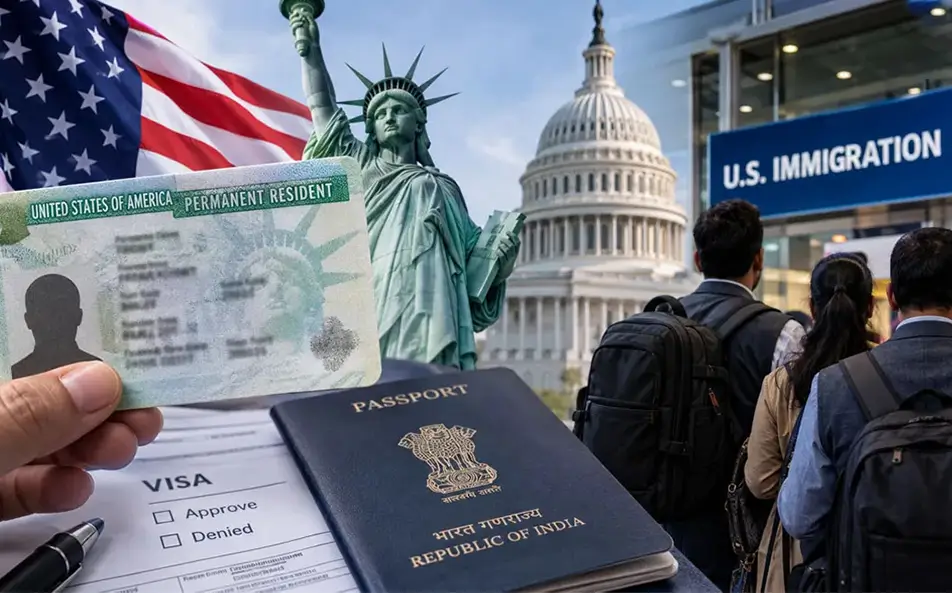
For many young professionals in India, an American technology job represents more than a higher salary. It may mean repaying education loans, helping parents and building a secure future. That hope creates a market for recruiters who promise H1B sponsorship and a quick route into the United States. Most staffing firms operate lawfully. The problem begins when a company sells a job that does not exist. The Hindustan Times report, based on journalist Tanul Thakur’s book and interview, describes how some desi consultancies allegedly recruit workers, arrange visa paperwork and reveal only after arrival that there is no confirmed client assignment. The worker may then be told to wait for a project, use an altered résumé or accept lower pay. Leaving is difficult because immigration status is tied to employment. A person who has crossed the world may suddenly face rent, debt and the fear of losing lawful status. The American dream becomes a daily calculation.
Technology staffing often involves several layers. A worker may be sponsored by one company, marketed by another and eventually placed with a large client. Subcontracting is not automatically illegal. It becomes dangerous when the chain hides who controls the job, who must pay the worker or whether a real position existed when the petition was filed. The report describes allegations of delayed wages, legal intimidation and pressure to claim experience a worker does not possess. Some recruits may be coached for interviews or asked to present skills they have not developed. That arrangement harms more than the employee. The client may believe it has hired an experienced professional. Competing applicants lose a fair opportunity. Honest staffing companies must compete with firms that shift risk onto workers. Recent US prosecutions show that fabricated placements are not merely theoretical. In one California case, a staffing-firm owner was sentenced after admitting that petitions named jobs at end clients even though those positions did not exist. In another case announced in 2026, two men pleaded guilty after false petitions claimed workers would serve on University of California projects. Those cases do not prove that every Indian-owned recruiter behaves improperly. They show why enforcement matters.
The H-1B visa is intended for specialty occupations requiring highly specialised knowledge and normally at least a bachelor’s degree or equivalent. Employers must promise wages no lower than the higher of the prevailing local wage or the amount paid to similarly qualified employees within the company. The rules also address “benching”. When an employee is ready to work but has no assignment because of conditions linked to the employer, the required wage generally must still be paid. A company cannot bring someone into the country, leave that person without a project and declare that no salary is due. Certain deductions are restricted. Employers cannot shift mandatory filing charges or business expenses onto the employee when doing so would reduce pay below the required level. Penalties designed to trap a person in the job may also violate the rules. These protections matter because high skilled immigration depends on the position described in the petition being genuine. Sponsorship is not permission to keep a worker unpaid while the company searches for a client. Still, a right written in a regulation is useful only when workers know it and feel safe enough to report a breach.
Indian tech workers caught in an abusive arrangement can face several pressures at once. Their ability to remain in the United States may depend on finding compliant employment within a limited period after a job ends. They may also have loans and family expectations tied to the move. Shame can become another form of control. A worker may have posted airport photographs, accepted congratulations and told relatives that the new job was secure. Admitting that the offer was misleading can feel like personal failure, even though the deception was not their fault. Many families know the scene. A weekly video call begins with questions about work and weather. The person abroad smiles, changes the subject and avoids explaining why salary has not arrived. The image of success remains intact while the real situation worsens. Much of the H1B visa news cycle focuses on annual selection, political arguments and large technology companies. Less attention goes to workers caught between small sponsors, vendors and end clients. Their problems may appear technical, but the consequences are personal. This dependence distorts workplace power. An employee who believes one complaint could end sponsorship may tolerate conditions that others would challenge immediately.
Reform does not require treating every consultancy as suspicious. It requires separating genuine staffing from invented employment. Authorities can examine whether the job listed in a petition existed, whether the worker received the required wage and whether the sponsor maintained control over employment. Repeated complaints and linked companies should receive closer attention. Large clients also have a role. A company using several contractor layers should know who employs the people working on its systems, what experience was represented and whether wages are being paid properly. Cheap labour at the end of a long vendor chain is not truly cheap when the cost is transferred to a vulnerable employee. Workers can reduce risk by asking for the written offer, work location, salary, deductions and sponsorship terms before travelling. They should keep copies of petitions, pay records, messages and contracts. If wages are withheld or threats begin, qualified immigration counsel and the US Department of Labor can explain available options. The debate should avoid two mistakes. One is pretending abuse does not exist because the programme has helped many professionals. The other is treating every sponsored worker or consultancy as dishonest. The system can create valuable careers and still contain serious weaknesses.
At The United Indian, we look beyond the promise of an overseas job. The issue is whether a skilled worker receives the position, wages and dignity described before the journey began.
The conduct of some desi consultancies can damage trust in lawful employers and make life harder for genuine applicants. Strong oversight should protect workers, fair competition and the credibility of the programme.
Follow The United Indian for clear reports on immigration, employment and the policies shaping Indian careers abroad
Everything you need to know
The term generally refers to Indian-run staffing firms that sponsor or place technology professionals in jobs across the United States.
Some firms allegedly advertise jobs that do not exist, delay wages, alter résumés or pressure employees to remain unpaid while awaiting assignments.
Generally, yes. When the worker is available but unassigned because of the employer’s business conditions, required wages usually remain payable.
They may fear losing their job, immigration status or ability to remain in the United States while also facing debt and family pressure.
They should verify the employer and client, request written job details, examine all deductions and retain copies of contracts, petitions and payment records.


Sep 25, 2026
TUI Staff
Sep 25, 2026
TUI Staff
Sep 25, 2026
TUI Staff
Sep 24, 2026
TUI Staff
Sep 25, 2026
TUI Staff
Sep 25, 2026
TUI Staff
Sep 25, 2026
TUI Staff
Sep 24, 2026
TUI Staff

Stay informed with independent, fact-checked journalism on technology, environment, government, economy and more. India’s most trusted digital news platform.






Comments (0)
Be the first to comment!