
From Sleeping Dogs to Jurassic Park: The Remarkable Career of Sam Neill
Celebrating Sam Neill, the quiet screen legend who made intelligence, courage and wonder unforgettable
 IN
Fri, Oct 16, 2026 | 01:59 PM IST
IN
Fri, Oct 16, 2026 | 01:59 PM IST


Before audiences saw the dinosaur, they saw the reaction: a palaeontologist staring upward as a creature thought extinct walked across the screen. That moment helped make cinema history. It also introduced millions of viewers to Dr. Alan Grant, a thoughtful scientist who never needed superhero swagger to command attention.
The renewed interest around the Sam Neill death has brought that famous role back into focus. Yet the actor’s achievement was far bigger than one franchise. Over five decades, he moved between political thrillers, period dramas, horror, television, comedy and Hollywood blockbusters while retaining the same dry humour and grounded screen presence.
Neill died in Sydney on July 13, 2026, aged 78. His family called the loss sudden and unexpected and said he remained cancer-free. They did not disclose an official cause of death in their initial statement, according to Reuters.
Born Nigel John Dermot Neill in Omagh, Northern Ireland, in 1947, he moved to New Zealand with his family at seven. He began using the name Sam at school and later worked with the New Zealand National Film Unit before establishing himself as an actor.
Neill could play authority without shouting, vulnerability without melodrama and humour without chasing the joke. His characters often appeared controlled even when the world around them was falling apart.
Roger Donaldson’s 1977 political thriller Sleeping Dogs became Neill’s first major breakthrough. He played Smith, an ordinary man drawn into a conflict between an authoritarian government and an armed resistance.
The role established a pattern that would recur throughout his career: a reluctant figure forced to respond when familiar rules collapse. The film also became an important title in modern New Zealand cinema.
Two years later, Gillian Armstrong’s My Brilliant Career expanded his reputation in Australia. Acting opposite Judy Davis, he brought restraint and emotional intelligence to a romantic role.
Neill’s gradual rise gave him room to experiment. In Andrzej Żuławski’s Possession, he entered a disturbing psychological world. In Dead Calm, opposite Nicole Kidman and Billy Zane, he helped anchor a thriller driven by isolation and tension at sea.
He later appeared in The Hunt for Red October, proving he could stand out within a major ensemble. Then came Jane Campion’s The Piano in 1993. As Alisdair Stewart, he played a morally complicated man shaped by jealousy and repression.
As The Guardian’s career obituary noted, his filmography resisted easy classification. That unpredictability became one of his greatest strengths.
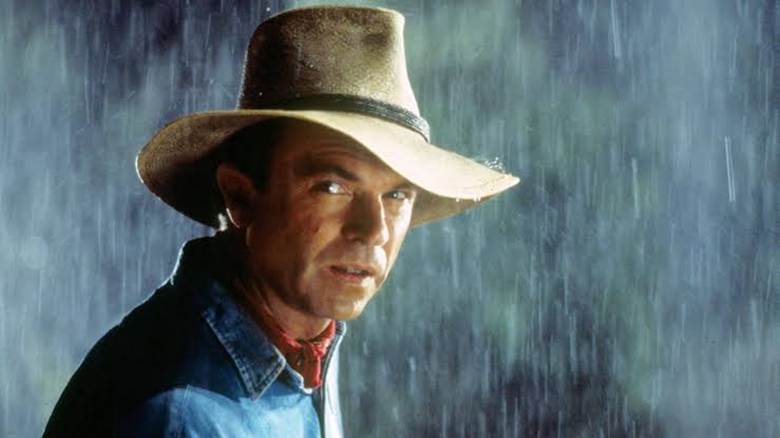
Img Src : gstatic
In 1993, Steven Spielberg cast Neill as the practical, sceptical palaeontologist who felt more comfortable studying fossils than entertaining children. Once the park collapsed, however, he became its emotional anchor. His scientific curiosity gave the spectacle credibility, while his protectiveness towards Lex and Tim gave the story heart.
The success of Jurassic Park depended on revolutionary effects, but the human reactions mattered just as much. Neill’s mix of awe, fear and disbelief made the dinosaurs feel present. He let viewers experience the impossible through someone who understood how extraordinary it was.
He returned as Dr. Alan Grant in the 2001 sequel and again in Jurassic World Dominion in 2022. His reunion with Laura Dern and Jeff Goldblum brought three familiar characters, and decades of shared cinematic history, back together.
Neill leaned into cosmic horror in In the Mouth of Madness and Event Horizon, two films that later gained devoted cult followings.
Television brought another run of memorable roles. In Peaky Blinders, he played Inspector Chester Campbell with menace and rigid self-belief. He also appeared in The Tudors and The Twelve.
Taika Waititi’s Hunt for the Wilderpeople revealed a warmer comic side. As the gruff Uncle Hec, Neill mixed irritation, grief and deadpan humour without making the character sentimental.
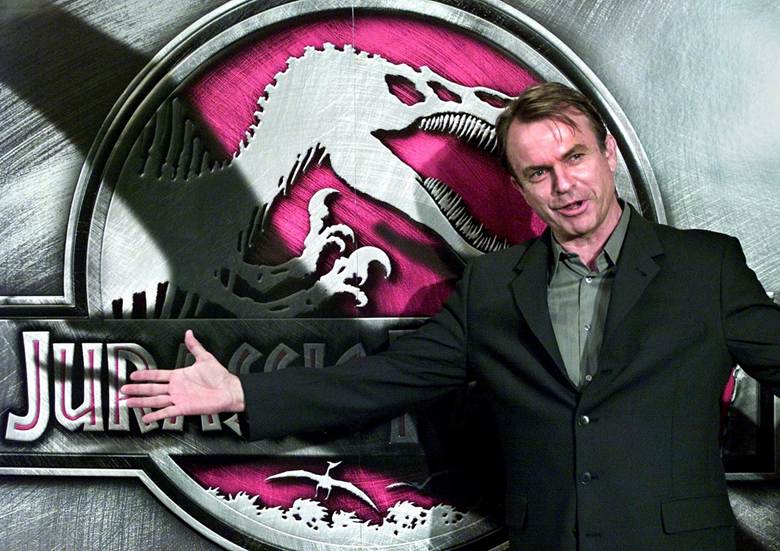
Img Src : lifestyle.inquirer
In 2023, Neill revealed that he had received treatment for stage-three angioimmunoblastic T-cell lymphoma, a rare blood cancer. During treatment, he wrote his memoir, Did I Ever Tell You This?, partly because being inactive felt unbearable.
In a candid Guardian interview, he said he was not afraid of dying, though he would find it frustrating because he still had things he wanted to do.
His former partner, Australian journalist Laura Tingle, later said years of chemotherapy and immunotherapy had taken a toll on his body. She told ABC Radio that he had been seriously unwell in his final weeks, as reported by Hindustan Times.
Her comments provide context, not an official medical conclusion. Any account of the Sam Neill death must preserve that difference: his family said he was cancer-free, while the original announcement did not identify what caused his sudden passing.
Away from film sets, Neill founded Two Paddocks in Central Otago in 1993. According to the winery’s official history, the project began with five acres of pinot noir at Gibbston.
Fans also knew him through playful social-media posts featuring farm animals named after famous friends. The humour felt genuine—part eccentric farmer, part internationally recognised actor.
He could appear in a major studio production and still seem more interested in a vineyard, a dog or a good story than in maintaining a celebrity image.
Following his death, filmmakers, actors and political leaders remembered his decency as often as his talent. Steven Spielberg, Toni Collette, Richard E Grant and leaders from New Zealand and Australia were among those paying tribute, according to Reuters’ collection of reactions.
He helped New Zealand cinema reach wider audiences, became part of Australian screen culture and succeeded in Hollywood without allowing it to erase his identity.
For many viewers, the hat-wearing scientist will remain the first image that comes to mind. But Neill’s legacy also lives in Dead Calm, The Piano, Peaky Blinders and Hunt for the Wilderpeople.
On behalf of The United Indian family, we remember an actor who made intelligence compelling, understatement powerful and wonder believable. The dinosaurs made the world look at him. His remarkable body of work gave audiences countless reasons to keep watching.
Everything you need to know
Sam Neill was a New Zealand actor best known for playing palaeontologist Dr. Alan Grant in the Jurassic Park films. His five-decade career also included acclaimed roles in Sleeping Dogs, Dead Calm, The Piano, Peaky Blinders and Hunt for the Wilderpeople.
Sam Neill’s most famous role was Dr. Alan Grant in Jurassic Park (1993). He later returned to the character in Jurassic Park III (2001) and Jurassic World Dominion (2022).
Sam Neill’s family described his death as sudden and unexpected but did not initially disclose an official cause. Although he had previously undergone treatment for blood cancer, his family said he was cancer-free when he died.
The 1977 New Zealand political thriller Sleeping Dogs gave Sam Neill his major breakthrough. The performance helped establish him as a leading actor and became an important milestone in New Zealand cinema.
Outside acting, Sam Neill was an author, farmer and winemaker. He founded the Two Paddocks winery in New Zealand and published his memoir, Did I Ever Tell You This?, in 2023.


Oct 16, 2026
TUI Staff
Oct 16, 2026
TUI Staff
Oct 15, 2026
TUI Staff
Oct 15, 2026
TUI Staff
Oct 15, 2026
TUI Staff
Oct 15, 2026
TUI Staff
Oct 15, 2026
TUI Staff
Oct 14, 2026
TUI Staff

Stay informed with independent, fact-checked journalism on technology, environment, government, economy and more. India’s most trusted digital news platform.


Comments (0)
Be the first to comment!