
US
Sun, May 03, 2026 | 05:27 AM IST

The United Indian


Every time a war breaks out, the focus is almost immediate. News channels, debates, statements, reactions - everything moves fast. You see images of destruction, hear numbers, and follow updates like it’s happening in real time.
But there’s something strange about how all of this is discussed. The moment things calm down, even slightly, the attention moves away just as quickly. It’s as if the story ends when the fighting slows down. Except it doesn’t.
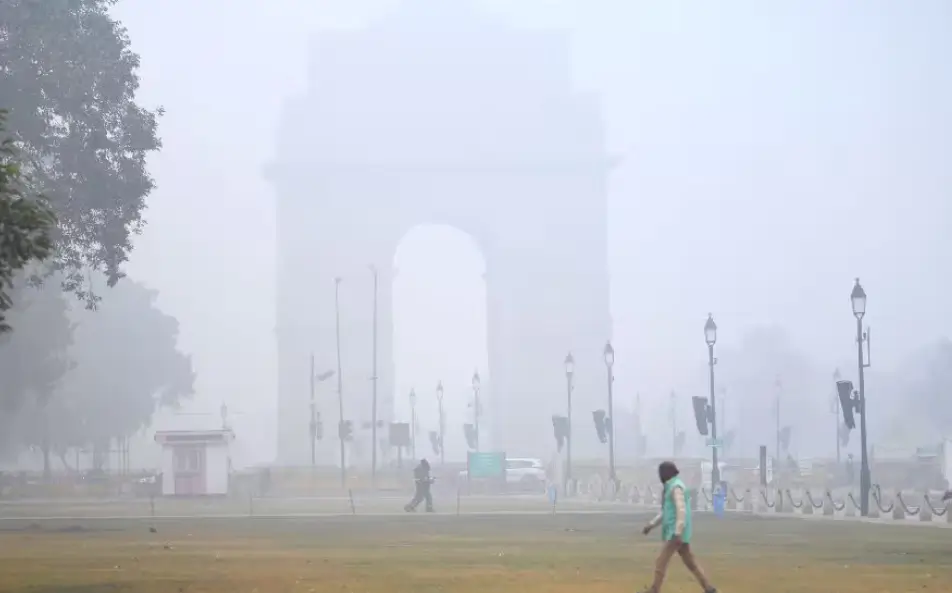
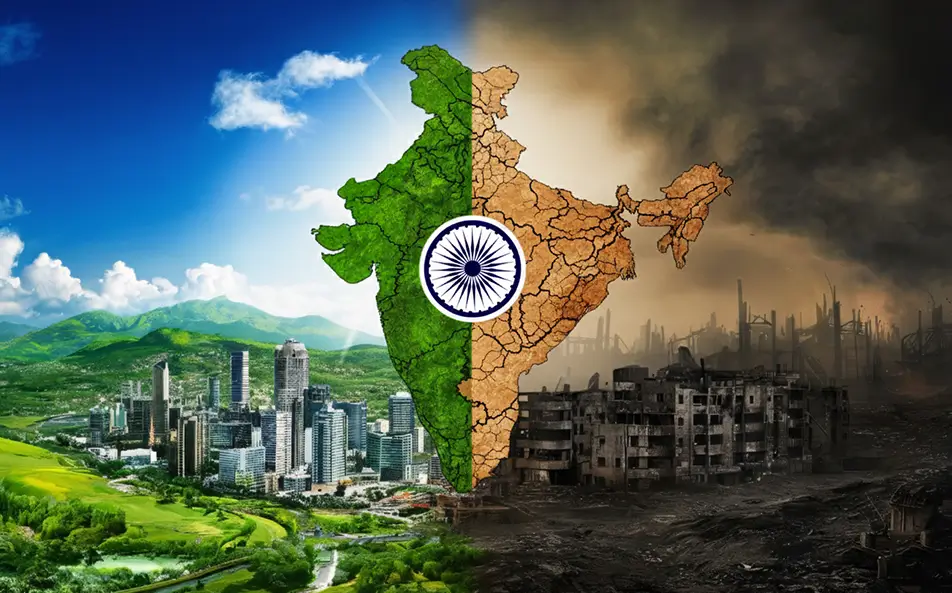
What gets left behind doesn’t disappear with a ceasefire. And that’s where war quietly turns into a Climate Changer, not in a loud way, but in a way that stays long after people stop talking about it.
When we think about war, we probably think regarding buildings, roads, and infrastructure getting destroyed. But the environmental side of it doesn’t always come our to mind immediately.
Military operations alone add to Carbon emissions in ways that are rarely discussed openly. Movement of equipment, fuel consumption, constant activity — it all adds up. And unlike regular industries, this isn’t something that gets measured and debated in public spaces.
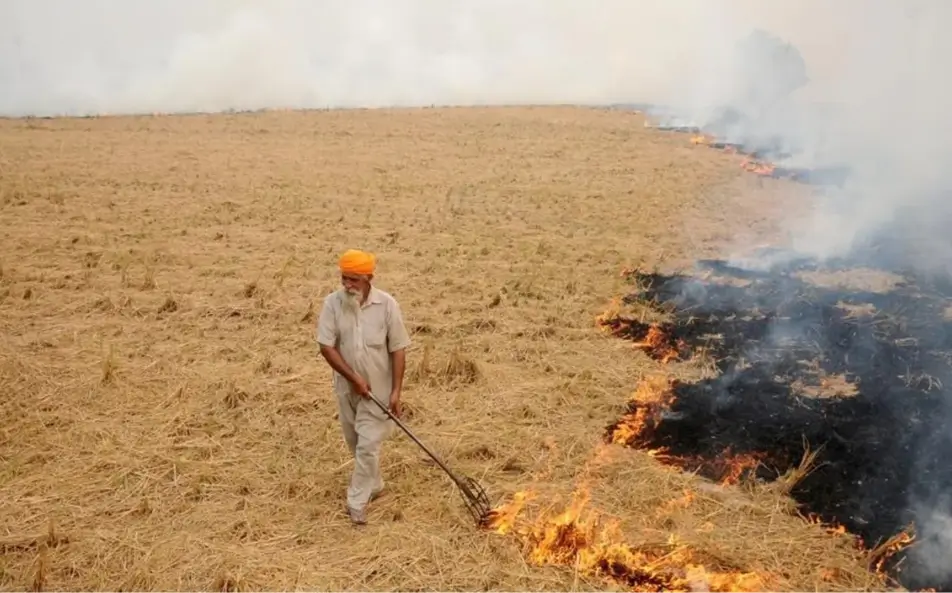
Then there’s the damage caused when facilities are hit. Oil depots, factories, storage units when they’re affected, the impact spreads into air and water. It doesn’t stop at the site itself. This is where the climate impact of military conflicts becomes more than just a technical term. It becomes something real, even if it’s not visible right away.
The uncomfortable truth is that during conflict, priorities shift completely. Conversations around geopolitics take over, and everything else moves to the side. That includes environmental damage.
It’s not only that we don't don’t care, but the timing never feels right to talk about it. When our lives are at risk and decisions are being made quickly, long-term concerns like Global warming just don’t get the same space.
Even the frameworks that were supposed to deal with emissions, such as the Kyoto Protocol do not fully consider what happens during war. Hence a big portion of the impact merely remains unmeasured.
There’s often an assumption that once the conflict ends, rebuilding begins and things slowly return to normal. But the environmental side doesn’t always follow that pattern.
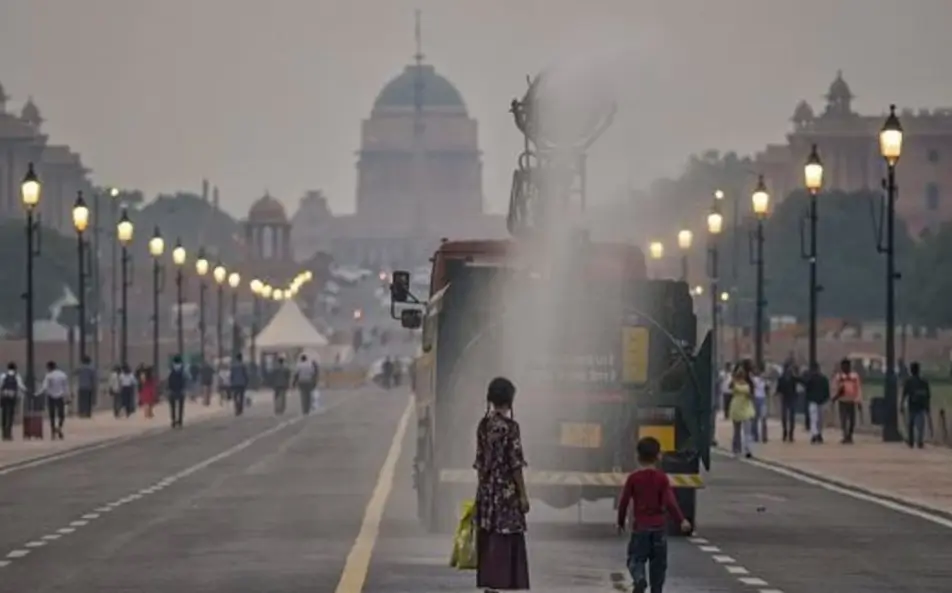
Polluted water doesn’t clean itself quickly. Damaged land doesn’t become usable overnight. Forests that are affected don’t just grow back the same way.
In some cases, the changes are permanent.
And yet, when peace is discussed, this part is rarely included in what “recovery” actually means.
At The United Indian, this feels like one of those gaps in conversation that doesn’t get noticed easily. War is discussed in terms of strategy and outcomes, but rarely in terms of the environment it leaves behind.
Calling it a Climate Changer isn’t about exaggeration. It’s about acknowledging that the impact doesn’t end when the headlines do.
Everything you need to know
Because it creates long-term environmental damage and increases emissions.
They consume large amounts of fuel and can lead to pollution and contamination.
Because immediate political and humanitarian concerns take priority.
Not completely, which leaves a gap in tracking the impact.
Some of it does, but some effects can last for decades or become permanent.
#weareunited
We respect your privacy. Unsubscribe at any time. Privacy Policy
Jan 05, 2026
TUI Staff
Dec 26, 2025
TUI Staff
Nov 01, 2025
TUI Staff
Oct 30, 2025
TUI Staff
Apr 27, 2026
TUI Staff
Apr 25, 2026
TUI Staff
Apr 23, 2026
TUI Staff
Apr 21, 2026
TUI Staff
Stay Tuned with The United Indian!
Our news blog is dedicated to sharing valuable and pertinent content for Indian citizens. Our blog news covering a wide range of categories including technology, environment, government & economy ensures that you stay informed about the topics that matter most. Follow The United Indian to never miss out on the latest trending news in India.

Comments (0)
Be the first to comment!