
US Tariffs on India: Trump Proposes 25% Duty, Offers 17% Deal Rate - Which Indian Exports Will Be Hit?
Washington's new tariff proposal spares India's pharma and smartphone exports but could hit jewellery, apparel and shrimp with duties up to 25%.
 IN
Thu, Nov 26, 2026 | 03:27 PM IST


Indian exporters face fresh uncertainty after Washington proposed duties of up to 25% on several categories of goods imported from India. The announcement, made on November 25, 2026, also offers a possible lower rate of 17% if New Delhi and Washington reach a qualifying trade agreement.
The new US tariffs have not taken effect. Smartphones and many pharmaceutical products are among the proposed exemptions, while jewellery, garments, shrimp and certain other export categories could face additional pressure. For businesses supplying American customers, the final product coverage and timing will matter as much as the headline percentage.
The Office of the United States Trade Representative announced its findings following an investigation into manufacturing overcapacity. Washington argues that certain Indian industrial policies and manufacturing practices disadvantage American businesses. According to the official USTR announcement, the new US tariffs could reach 25% on covered Indian goods, with adjustments for duties already imposed under Section 301.
This distinction matters. The proposal does not automatically add another 25 percentage points to existing Section 301 duties. Products excluded from the new measure may also remain subject to ordinary customs duties or separate trade restrictions. The investigation began in March 2026 and forms part of a wider review of manufacturing practices across several major trading economies.
One of the most important details is the proposed exemption list. Smartphones and many generic pharmaceutical products are excluded, protecting two of India's largest export categories to the American market. The exclusions also cover specified patented medicines, semiconductor products and selected goods already subject to national-security duties under Section 232. These include certain steel, aluminium and copper products, along with covered vehicles and components.
However, exemption does not mean every product within those industries is automatically free from additional duties. The applicable classification in the official tariff schedule determines whether a particular shipment qualifies. For Indian manufacturers, that difference could be crucial when negotiating contracts or calculating the final cost of supplying American customers.
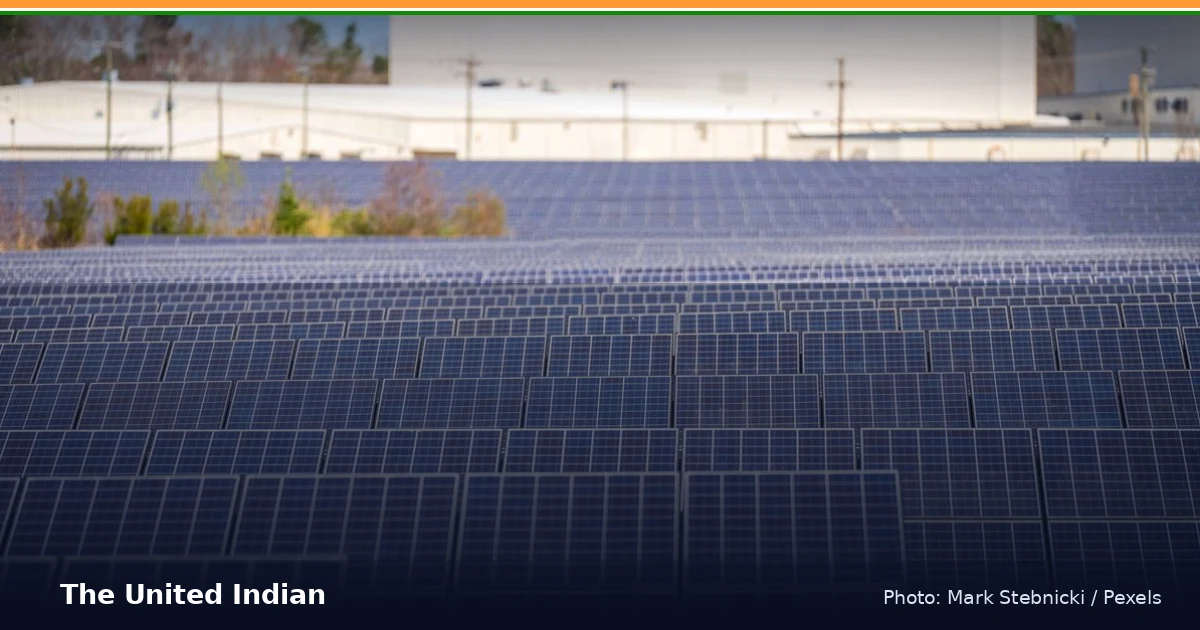
The proposed exemptions leave several labour-intensive sectors more exposed. Apparel, textiles, jewellery, shrimp and certain solar products could face higher import duties if Washington proceeds with its plan. These industries often compete heavily on price. An increase in tariffs could make Indian shipments more expensive for American importers, potentially affecting orders, profit margins and sourcing decisions.
Textile exporters in Tiruppur, jewellery manufacturers in Surat and seafood businesses in Andhra Pradesh may be particularly sensitive to changes in American purchasing decisions.
However, losses are not guaranteed. The impact would depend on the final tariff rate, competition from other exporting countries, existing contracts and whether companies can pass additional costs to buyers. Some businesses may consider bringing forward shipments before any new duties begin. That could provide temporary relief, although no final implementation date has been confirmed.
The possibility of a lower rate makes negotiations between New Delhi and Washington especially significant. Under the proposal, a US India trade deal addressing the findings of the manufacturing investigation could allow the tariff ceiling to fall from 25% to 17%. That represents a difference of eight percentage points. However, the reduction would not happen automatically after any agreement. Washington has linked the possible adjustment to commitments responding to concerns about manufacturing capacity, industrial incentives and other trade practices.
India has rejected the allegation that its manufacturing sector suffers from structural excess capacity. In its November 25 statement, the Ministry of Commerce said the India US trade deal discussions should remain the forum for resolving bilateral trade concerns. The India US trade deal is still under negotiation, and the final terms could affect how the proposed rates are applied.
The USTR has invited public comments until January 5, 2027. Hearings are scheduled to begin on January 25, after which officials will consider responses before deciding on final action.
Washington is also seeking views on a possible arrangement allowing limited quantities of textile and apparel imports at reduced rates. That could offer relief to some businesses, but no such mechanism has been finalised.
Until the consultation and decision-making process is complete, US tariffs under this new proposal remain uncertain. Exporters will need to monitor official notifications, check the classification of their products and review existing duty obligations. For India, the outcome will depend on both the ongoing negotiations and Washington's final decisions on exemptions and rates. The difference between 25% and 17% could be significant for exporters, but the final rules will determine who actually pays more.
Everything you need to know
The Office of the US Trade Representative proposed tariffs of up to 25% on Indian goods under a Section 301 investigation into structural excess manufacturing capacity. The rate could be reduced to 17% if India reaches a trade agreement with the United States.
Generic medicines and smartphones, India's two largest export categories to the US, are exempt. The proposed exclusions also cover patented pharmaceutical products, certain retail-packaged medicines, specified semiconductors, and select steel, aluminium and copper products already under Section 232 measures.
Jewellery, apparel and shrimp are among the categories that could face tariffs of up to 25%, leaving labour-intensive sectors more exposed than pharmaceuticals and electronics. Solar products, textiles and petrochemicals were also flagged as exposed to the proposed duties.
Nov 26, 2026
TUI Staff
Nov 26, 2026
TUI Staff
Nov 25, 2026
TUI Staff
Nov 26, 2026
TUI Staff
Nov 26, 2026
TUI Staff
Nov 25, 2026
TUI Staff

Stay informed with independent, fact-checked journalism on technology, environment, government, economy and more. Independent and editorially reviewed since 2021.








Comments (0)
Be the first to comment!