
JEE Advance Result Site Alert: 16-Year-Old Spots Data Issue, IIT Roorkee Acts Fast
Student Data Alert
 IN
Sat, Oct 17, 2026 | 06:29 AM IST
IN
Sat, Oct 17, 2026 | 06:29 AM IST

Sometimes a big issue is not noticed by a large team first. Sometimes it is noticed by one person sitting behind a laptop and paying attention. That is what happened with the jee advance result website. A 16-year-old cybersecurity researcher, Rylen Anil, claimed that the JEE Advanced 2026 candidate and result infrastructure had a public cloud storage misconfiguration. In simple words, he said some candidate data was visible without proper protection. Rylen claimed that the issue exposed large volumes of candidate data without authentication. This is not a small matter. Exam websites carry sensitive details. Names, results, admit card data, phone numbers and other student information can become risky if not properly secured. I think this is where many people get worried. Students already go through months of pressure for exams. They should not also have to worry about whether their data is safe after the result is declared.
Rylen Anil, who goes by the handle @DarthKermy72747, reportedly flagged that the JEE Advanced 2026 result infrastructure had a public cloud storage issue. The Federal reported that he claimed around 179.6k result records and about 187.3k admit-card PDFs may have been exposed, including details such as candidate names, dates of birth and mobile numbers. Those numbers are serious. Even if someone is not technical, the concern is easy to understand. If student data is stored online, it has to be locked properly. It cannot be left open because of a configuration error. And this is exactly why ethical reporting matters. Instead of misusing the alleged flaw, the issue was flagged publicly and brought to the attention of the authorities. That part matters too.
IIT Roorkee, the organising institute for JEE Advanced 2026, acknowledged the alert and thanked the researcher for flagging the matter. Reports said the institute took corrective action after the concern was raised. The Federal also reported that IIT Roorkee fixed the cloud storage misconfiguration after the issue was flagged. That response is important. In digital systems, problems can happen. But how an institution responds matters a lot. Denial makes things worse. Quick correction builds more trust. Students and parents do not expect every system to be perfect all the time. But they do expect authorities to act fast when something serious is pointed out. In this case, the “thank you” from the institute also sends a useful message. People who responsibly flag security issues should not be treated like troublemakers. They help improve the system.
The JEE Advanced result is not just another web page. For students, it is a life-changing result. It decides whether they move closer to an IIT seat or have to choose another path. That is why the platform holding this data must be treated with extra care. Exam data is sensitive. Admit cards can contain personal details. Results can reveal academic performance. Phone numbers and dates of birth can be misused if they fall into the wrong hands. This is why institutions need strong data protection. Not just after a problem comes out. Before. The issue also comes at a time when other education-related digital platforms have faced questions. Times of India reported that concerns had recently surfaced around the Central Board of Secondary Education On-Screen Marking system and the National Testing Agency re-examination portal before this JEE Advanced issue came into focus. That pattern should worry everyone.
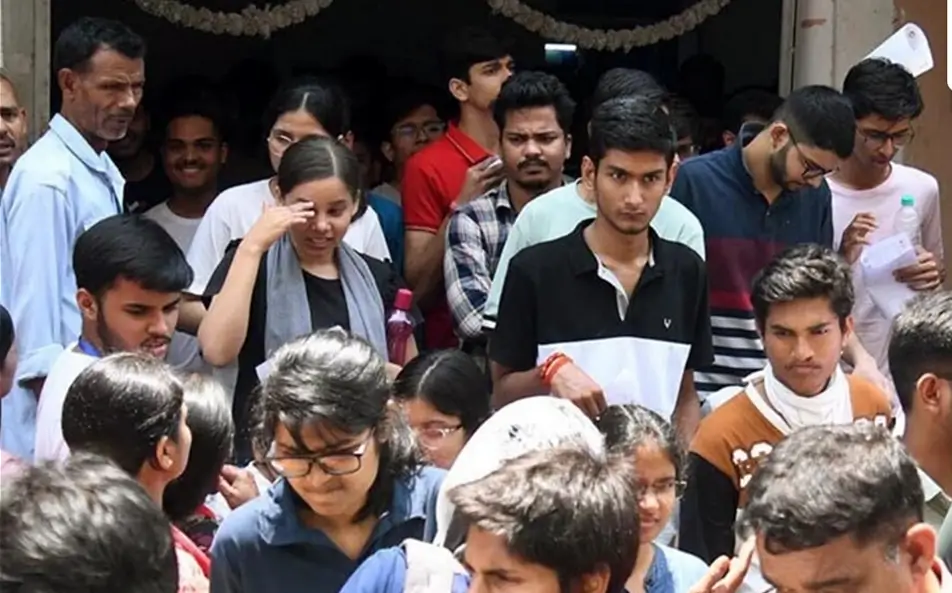
The exam system is already stressful. A student preparing for JEE Advanced spends years solving questions, taking mock tests, managing pressure and dealing with expectations at home. After all that, the result day should be about marks, rank and counselling. Not data exposure. I still remember how result days used to feel even for smaller exams. You refresh the page. Your hands feel cold. Family members keep asking, “Aaya kya?” Now imagine adding a data security worry on top of that. That is not fair to students. The system has to protect them quietly in the background. Students should not have to become cybersecurity experts just to trust an exam website.
India has moved many exams, results and application systems online. That has made things faster in many ways. Students can download admit cards, check results and apply for counselling from home. That is good. But digital convenience also brings digital responsibility. When lakhs of students use a platform, even a small mistake can affect many people. Cloud storage, access control, authentication and audit checks are not optional. They are basic requirements. A result website should not only work on result day. It should also be safe. This issue is a reminder that public digital systems need regular security testing, clear response teams and better protection before launch.
One thing that stands out in this story is Rylen’s age. He is 16. At that age, many students are preparing for board exams, entrance tests or college plans. Here is someone who noticed a possible public system issue and brought it forward. That should be appreciated. India needs more young people who understand technology deeply and use it responsibly. Ethical cybersecurity is not about breaking things. It is about finding weak points before bad actors do. If handled well, such cases can create a better relationship between institutions and independent researchers. Instead of fear, there should be a proper reporting channel.
The second mention of the JEE Advanced result matters because this story is bigger than one website. It is about trust in India’s education technology systems. Students share personal data because they have no choice. Exam bodies collect that data because they need to run large national tests. That creates a responsibility. A system handling lakhs of students should be checked carefully before it goes live. And if someone flags a problem, the response should be quick, transparent and serious. This time, IIT Roorkee thanked the researcher and took corrective action. That is a good step. But the larger lesson should not be missed. India’s exam platforms need stronger security by design, not just quick fixes after someone notices a problem.
At The United Indian, we look beyond the result link. This story matters because students trust exam platforms with their personal data, and that trust must be protected.
Digital exams and online results are now normal in India. But convenience means little if student data is not secured properly.
Follow The United Indian for grounded stories on education, technology and the systems that affect students and families.
Everything you need to know
A 16-year-old cybersecurity researcher, Rylen Anil, flagged a possible public cloud storage issue linked to the JEE Advanced 2026 result infrastructure.
The concern was linked to candidate and result-related data. Reports mentioned around 179.6k result records and about 187.3k admit-card PDFs, including names, dates of birth and mobile numbers.
IIT Roorkee acknowledged the alert, thanked Rylen Anil for flagging the issue and reportedly took corrective action to fix the misconfiguration.
Exam result websites carry sensitive student information. If such data is not properly secured, it can create privacy and misuse risks for candidates.
The bigger lesson is that online exam platforms need stronger security checks before going live. Digital convenience is useful, but student data must be protected first.





Oct 15, 2026
TUI Staff
Oct 15, 2026
TUI Staff
Oct 14, 2026
TUI Staff
Oct 15, 2026
TUI Staff
Oct 15, 2026
TUI Staff
Oct 15, 2026
TUI Staff
Oct 14, 2026
TUI Staff

Stay informed with independent, fact-checked journalism on technology, environment, government, economy and more. India’s most trusted digital news platform.







Comments (0)
Be the first to comment!