
ABVP Manifesto 2026: New Hostels, Safer PGs and Women’s Safety — What DU Students Are Promised
Satya Niketan has turned student housing and safety into a defining DUSU election issue.
 IN
Mon, Sep 14, 2026 | 04:23 PM IST
IN
Mon, Sep 14, 2026 | 04:23 PM IST


With the Delhi University Students’ Union election just days away, ABVP has released its 2026 manifesto with a heavy focus on one issue that has suddenly become impossible for Delhi University students to ignore: where they live, and whether that accommodation is actually safe. The Akhil Bharatiya Vidyarthi Parishad has organised its manifesto around four themes — A-Awas, B-Bhagidari, V-Vishwas and P-Parinaam — covering student accommodation, participation in university decision-making, campus safety, academic reforms and career opportunities.
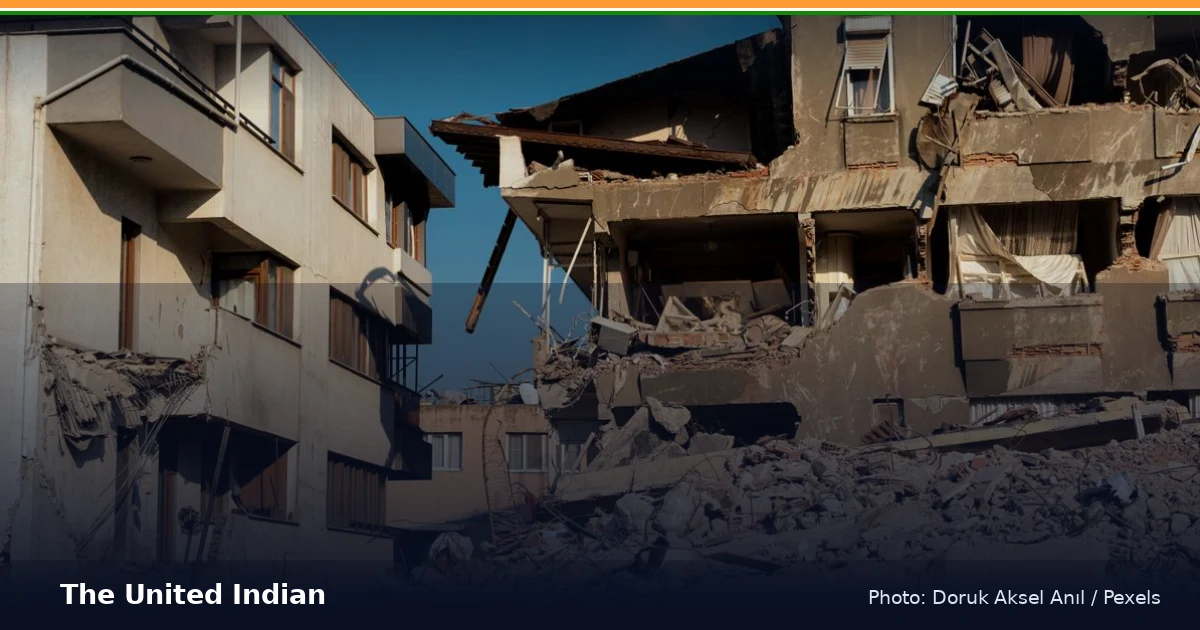
The housing promises arrive in the shadow of the September 6 Satya Niketan PG collapse, which killed seven people and brought Delhi’s shortage of affordable, regulated student housing back into public focus. For thousands of students voting in the Delhi University election on September 18, that makes this manifesto less about abstract campus politics and more about everyday questions: Will there be enough hostels? Are private PGs being inspected? Can women move safely between college, hostel and Metro stations after dark?
The Akhil Bharatiya Vidyarthi Parishad has branded its manifesto around four pillars: A-Awas, B-Bhagidari, V-Vishwas and P-Parinaam. The structure brings together housing, student participation, trust and safety, and measurable academic and career outcomes. The organisation says its manifesto was shaped through its earlier “My DU, My Manifesto” campaign, launched in August, through which students were invited to submit concerns and suggestions using QR codes and interactions with volunteers across colleges. The party’s central panel for DUSU 2026 includes Yash Dabas for president, Ishu Maurya for vice-president, Riya Chhawdi for secretary and Lakshya Raj Singh for joint secretary.
Polling is scheduled for September 18, with results expected on September 19.
The most politically significant part of the manifesto is its emphasis on student accommodation. ABVP has promised new hostels, greater capacity for women students, a dedicated Student Housing Cell and helpline, and safety audits of hostels and paying-guest properties. The organisation has also called for stricter implementation of fire-safety rules and improvements in basic hostel and PG facilities such as drinking water, cleanliness and internet connectivity.
This is not a small issue at Delhi University. Hindustan Times reported that DU has about 7,224 official hostel beds, while more than half of students enrolled in conventional programmes are estimated to need accommodation. That gap has pushed large numbers of students into private PG clusters around areas such as Satya Niketan, Kamla Nagar and Mukherjee Nagar. The September 6 Satya Niketan collapse has now turned that shortage into a major election issue.
Student housing was already a long-running problem, but the collapse dramatically changed the tone of the campaign. Seven people were killed, including five students, after a multi-storey PG building in Satya Niketan collapsed. Rival student groups have since placed hostel availability, PG regulation and structural safety near the centre of their election campaigns.
ABVP has separately launched a campaign to flag unsafe PGs and has demanded broader safety audits of accommodation in student-heavy neighbourhoods. Its presidential candidate Yash Dabas said the organisation would continue pursuing safe student housing as a priority. The manifesto therefore arrives at a moment when accommodation is no longer simply about rent or convenience. It is now also about structural safety.
Women’s safety forms another major part of the manifesto. The organisation has proposed stronger security patrols, better lighting, Pink Booths, additional women security personnel, common rooms and sanitary-napkin vending machines across campuses. It has also promised to strengthen Internal Complaints Committees and grievance-redressal mechanisms.
In campaigning before the manifesto release, the group had also highlighted demands for CCTV cameras, women’s safety patrol vehicles and U-Special bus services. These safety measures are particularly relevant for students who commute between campuses, private PGs, Metro stations and markets around North and South Campus. Secretary candidate Riya Chhawdi said women students should not have to compromise on either education or safety because basic facilities are inadequate.
The manifesto also moves beyond traditional campus issues into employability. ABVP has promised job fairs, partnerships with industry and research organisations, training and internship opportunities, and programmes related to artificial intelligence and digital skills.
That reflects a wider shift in student politics. Placements, internships and job readiness increasingly matter alongside older election issues such as fees, transport and college infrastructure. For graduating students, a promise that improves industry access may feel more immediate than many ideological debates associated with campus politics.
This is the key limitation readers should understand. A manifesto promise is not the same thing as an approved infrastructure project. DUSU cannot independently buy land, sanction construction budgets or build university hostels. Those decisions involve Delhi University, individual colleges, government agencies and funding authorities. The students’ union can campaign, negotiate, organise protests and put pressure on decision-makers, but large infrastructure projects require institutional approval.
That distinction matters when assessing promises of new hostels. The university is already discussing additional accommodation, and the Satya Niketan tragedy has triggered wider official reviews of student housing. Delhi’s Lieutenant Governor has approved a high-powered committee to examine hostel capacity, PG safety and the possible use of underutilised government properties for student housing. So housing reform is now moving on multiple tracks beyond the Delhi University election itself.
Student accommodation has become a common issue across rival organisations. The AISA-SFI alliance has demanded rent regulation around college areas, subsidies for verified private housing and more hostels. Another student group, ASAP, is campaigning under a “Hostels for All” theme. That means voters are unlikely to decide simply on whether a group mentions housing.
The more difficult comparison will be which plan appears realistic and which organisation can demonstrate that it has the leverage to push university and civic authorities towards implementation. For ABVP, its association with the RSS and the fact that the BJP governs Delhi may make accountability on those promises particularly prominent during campaigning.
The manifesto offers several concrete ideas, but students may want to judge it on more than the number of promises. The more important questions are whether new hostel projects have identifiable funding, whether PG audits can be independently verified, whether safety proposals involve specific agencies, and how much of the academic reform agenda lies within DUSU’s actual authority. Past DUSU manifestos from different organisations have also included recurring promises around hostels, women’s security, Wi-Fi, scholarships and grievance systems. That makes implementation, rather than wording, the real test.
Everything you need to know
ABVP’s manifesto focuses on student accommodation, campus participation, safety, academic reforms and employability. Housing proposals include additional hostel capacity, a Student Housing Cell, safety helplines and regular safety and fire audits of student accommodation.
The September 6 Satya Niketan PG collapse killed seven people, including five students, drawing attention to Delhi University’s shortage of safe and affordable hostel accommodation and students’ dependence on private PGs.
Voting for the Delhi University Students’ Union election is scheduled for September 18, 2026, with counting and results scheduled for September 19.
ABVP has fielded Yash Dabas for president. Its central panel also includes Ishu Maurya for vice-president, Riya Chhawdi for secretary and Lakshya Raj Singh for joint secretary.
Not independently. DUSU can campaign, negotiate and pressure university and government authorities, but land, funding, construction and approvals for new hostels ultimately involve Delhi University, individual colleges and public agencies. A separate high-powered committee is already examining Delhi’s student-accommodation shortage and safety concerns.



Sep 14, 2026
TUI Staff
Sep 11, 2026
TUI Staff
Sep 11, 2026
TUI Staff
Sep 14, 2026
TUI Staff
Sep 11, 2026
TUI Staff
Sep 11, 2026
TUI Staff

Stay informed with independent, fact-checked journalism on technology, environment, government, economy and more. India’s most trusted digital news platform.




Comments (0)
Be the first to comment!