
Is India Preparing for a Financial Lockdown? PM Modi’s Crisis Appeal Explained
Crisis Calls Savings
 IN
Thu, Sep 24, 2026 | 03:32 AM IST
IN
Thu, Sep 24, 2026 | 03:32 AM IST

When oil prices rise, it does not stay limited to global markets. It slowly reaches fuel pumps, airline tickets, household spending, business costs, and even the value of the rupee. That is why PM Modi has now asked Indians to make some difficult but practical choices for the next year. He has called upon people to refrain from unnecessary spending based on foreign exchange at the BJP meeting held at Hyderabad. He cited as examples the need to avoid buying gold, defer non-essential foreign travel; cut down on petrol and diesel use; and resume work at home, video meetings, virtual conferences, carpooling, metro travel, and electric mobility, wherever possible. The overarching message was a simple one: India needs to save foreign exchange and ease pressure on its imports at a time when the world is facing a crisis.
The appeal comes at a time when the Iran-US war has pushed global crude prices higher and disrupted energy supply concerns around West Asia. India imports more than 88% of its crude oil needs, which means every sharp rise in oil prices directly affects the country’s import bill, rupee pressure and inflation risk.
The biggest pressure point is oil. The report noted that global crude prices moved above $105 a barrel after US President Donald Trump rejected Iran’s latest peace proposal. The conflict has also kept the Strait of Hormuz, one of the world’s most important oil shipping routes, partially disrupted for weeks, raising concerns about supply shortages lasting longer than expected. That is why the appeal around fuel consumption matters. India does not control global crude prices, but it can reduce some pressure by using less imported fuel. This is where everyday behavior comes into the picture. If more people use metro services, share rides, avoid unnecessary trips, and use electric vehicles where possible, the total national fuel demand can soften.
The idea may sound small at an individual level, but in a country of India’s size, even small changes can add up. A few fewer car trips, more online meetings, less road freight where rail can be used, and smarter travel choices can collectively reduce oil demand. That is also why PM Modi's WFH became a talking point. The Prime Minister reminded citizens that during Covid-19, India had already learned how to work through video calls, virtual meetings and remote systems. His argument is that some of those habits can be revived now—not because of a lockdown, but because of an economic and energy emergency.
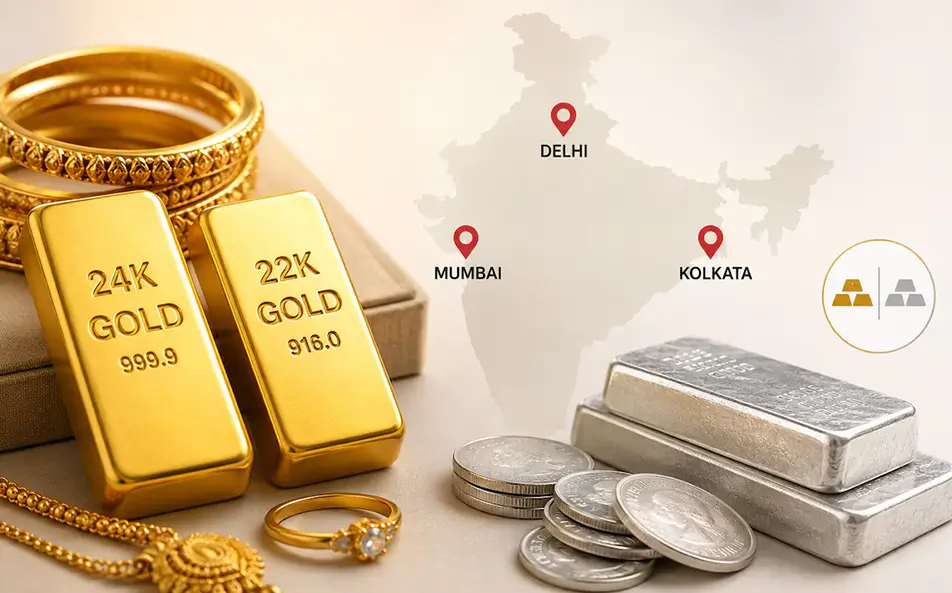
The most unusual part of the appeal was about gold. Indians have a deep emotional and cultural connection with gold, especially during weddings and festivals. But from an economic point of view, gold is also a major import item. Buying gold means dollars leave the country, and during a crisis, that adds pressure to foreign exchange reserves. That is why Prime Minister Narendra Modi asked citizens to avoid gold purchases for at least one year. He said gold buying uses foreign exchange extensively and urged people to take a national-interest pledge to pause such purchases during the crisis. This is not only about jewelry. It is about the import bill. When crude oil is already expensive and India is spending more dollars on energy, additional gold imports make the pressure heavier. Higher gold demand can widen the trade deficit and weaken the rupee further, especially when global uncertainty is already pushing markets around.
There is also a complicated market angle here. During global crises, investors often rush to gold because it is seen as a safe-haven asset. But in the current situation, high crude prices can also raise inflation fears, keep interest rates high, and make gold prices volatile. The report noted that spot gold slipped around 0.6% after hopes of a peace deal faded and the dollar strengthened.
The appeal did not stop at gold and fuel. Modi also asked people to postpone non-essential foreign travel, overseas vacations and destination weddings for a year. This may sound like a lifestyle suggestion, but the economic logic is clear. When Indians travel abroad, spend overseas, book foreign hotels, hold destination weddings outside India, or pay for luxury travel in foreign currency, it increases dollar outflow. During normal times, that may not be a serious national concern. But during an oil shock, every extra dollar leaving the country becomes more sensitive. So the message is not that travel is wrong. The message is that timing matters. If the country is facing pressure on imports, fuel prices, currency and reserves, delaying avoidable foreign spending becomes part of a wider savings effort. This is also linked to energy security. A country that imports most of its oil has to think not only about supply, but also about how much foreign currency it needs to keep buying that supply. Saving dollars becomes almost as important as saving fuel.
The Centre has so far kept petrol and diesel prices largely unchanged despite pressure from global oil markets. But the report said officials have indicated that fuel retailers may not be able to absorb losses indefinitely if crude prices stay elevated. Petroleum minister Hardeep Singh Puri also said state-run oil companies are absorbing heavy losses to protect consumers from fuel price hikes.
That is the difficult part. If the government passes the full burden to consumers, fuel prices rise and inflation spreads. If oil companies absorb too much for too long, their finances come under stress. If the government supports them, fiscal pressure rises. None of these options are easy. This is why the appeal is being framed as a national effort. Lower consumption can reduce pressure without immediately forcing a direct price shock on citizens. It is not a complete solution, but it can buy time.
The appeal also triggered political criticism. Congress leader Rahul Gandhi called the request to avoid gold purchases, reduce fuel use, delay foreign travel and return to work-from-home a “proof of failure,” arguing that ordinary people were now being asked to adjust because the centre had failed to prepare properly for the crisis. The criticism from the opposition is that the government should provide a clear policy response to the fuel price increases, import cost pressures, and currency pressures rather than pass these costs on to households.
Congress leader KC Venugopal said that the government was putting the burden on common people rather than providing energy security to India. He pointed out that three months into the Iran-US war, the centre seems to be as if it were still unprepared for the crisis. This contrast illustrates the political sensitivity on this issue. It is a summons to discipline and national savings for the government. For the opposition, it questions the state of preparedness and planning and if the common man is being made to pay the price for a bigger policy failure.
At the heart of the appeal is a simple idea: imports are not just government numbers. They are connected to everyday choices. Petrol, diesel, gold, foreign trips, destination weddings, edible oil, fertilisers and imported products all add up in different ways. Modi also called for reduced edible oil consumption, lower use of chemical fertilisers, greater adoption of natural farming and stronger preference for swadeshi products. The wider push is toward self-reliance during a period when global shocks are making imports more expensive and uncertain.
Whether people follow the appeal fully is another question. But the message is clear: India is facing a situation where household behaviour, business decisions and national economic strategy are being linked more directly than usual.
At The United Indian, we look beyond political statements to understand what they mean for daily life. This is not just about gold or fuel; it is about how a global conflict can reach Indian families through prices, travel, savings and inflation.
India’s dependence on imported oil makes global crises deeply personal. When crude prices rise, the effects can travel from the Strait of Hormuz to Indian households, fuel bills, wedding plans and market confidence.
Follow The United Indian for clear, grounded stories on politics, the economy, and the decisions shaping everyday India.
Everything you need to know
No, this is not an official financial lockdown. It is more of a voluntary appeal from PM Modi asking people to reduce spending on gold, fuel, foreign travel, and other import-heavy habits during a tough global situation.
Because gold is heavily imported, and buying more of it means more foreign exchange leaves India. At a time when crude oil imports are already putting pressure on the economy, the government wants people to reduce avoidable dollar outflow.
India imports most of its crude oil, so higher global oil prices directly affect the country’s import bill, rupee pressure, and inflation risk. That is why people are being asked to use public transport, carpool, work from home and reduce unnecessary travel.
Because spending abroad also uses foreign currency. The idea is not that travel is wrong, but that avoidable foreign spending can be delayed when the country is trying to save dollars during an oil and import pressure situation.
The opposition says the government is putting the burden on ordinary people instead of presenting a strong policy response. Congress leaders argued that asking people to cut back shows the centre was not prepared enough for the crisis.



Sep 23, 2026
TUI Staff
Sep 22, 2026
TUI Staff
Sep 19, 2026
TUI Staff
Sep 19, 2026
TUI Staff
Sep 23, 2026
TUI Staff
Sep 22, 2026
TUI Staff
Sep 21, 2026
TUI Staff
Sep 21, 2026
TUI Staff

Stay informed with independent, fact-checked journalism on technology, environment, government, economy and more. India’s most trusted digital news platform.




Comments (0)
Be the first to comment!