
Stock market today: Why Nifty50 and BSE Sensex crashed as oil prices rise amid US Iran war fears
Markets Under Pressure
 IN
Tue, Sep 22, 2026 | 04:57 AM IST
IN
Tue, Sep 22, 2026 | 04:57 AM IST

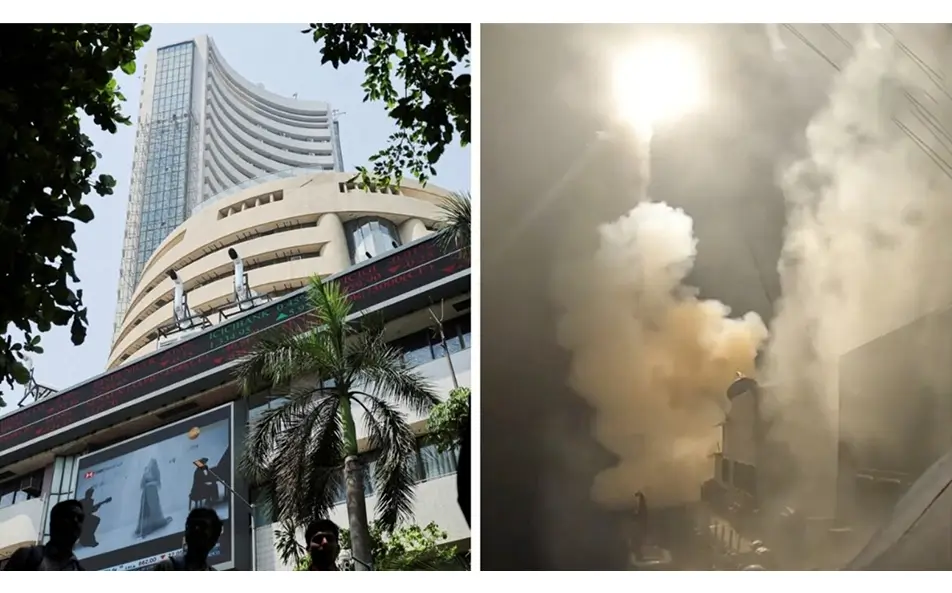
If you were tracking the stock market today, the drop didn’t just show up on screens, it showed up in sentiment almost immediately. The BSE Sensex slipping over 1,800 points and the Nifty50 following the same direction made it look like a sudden collapse, but the triggers had been building quietly for a while. Markets rarely fall without reason, and this time, the reasons came together almost at once.
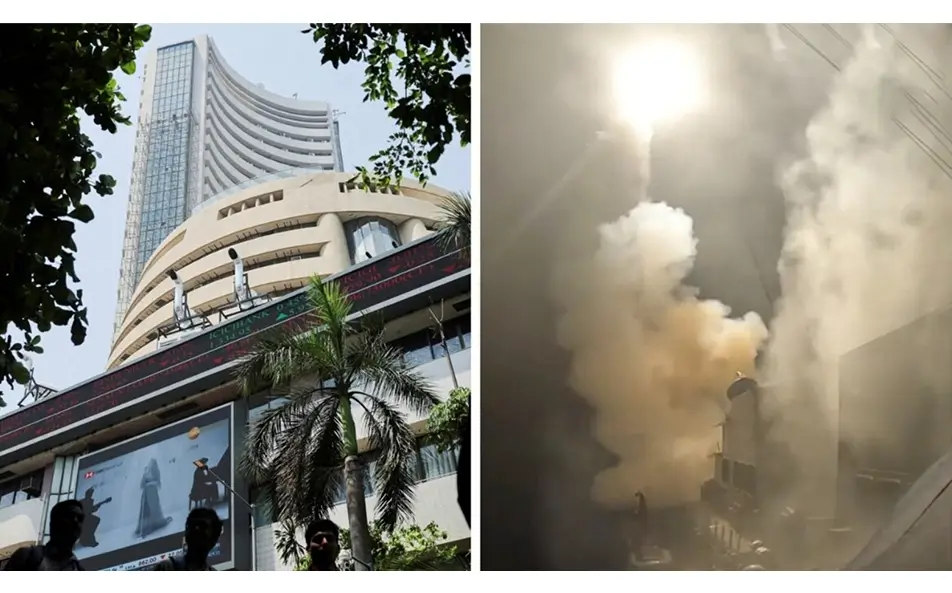
The biggest concern came from outside India. Rising tensions linked to the US Iran war narrative have once again pushed investors into a cautious mode. Whenever global uncertainty increases, markets like India tend to react quickly, not because of immediate damage, but because of what could happen next. That “what if” factor often matters more than current reality.
One of the strongest triggers behind the fall in the stock market today was the movement in oil prices. For a country like India, which depends heavily on crude imports, rising oil prices don’t stay limited to the energy sector. They spill over into inflation concerns, fiscal pressure, and corporate margins.
As the possibility of escalation in the Middle East conflict grows, oil markets react first. That reaction then feeds into equity markets. Investors begin to reassess costs, earnings expectations, and overall economic stability. This is why even a movement in oil, without any direct domestic trigger, can cause a broad sell-off across sectors.
Markets don’t operate in isolation anymore. What happens globally reflects almost instantly on Dalal Street. Weak cues from global markets, combined with geopolitical tension, create a situation where investors prefer to reduce risk rather than take fresh positions.
Foreign institutional investors, in particular, tend to react quickly in such environments. Even a small shift in global sentiment can lead to outflows, which then amplifies the fall in indices like the BSE Sensex and Nifty 50. It becomes less about individual stocks and more about overall risk exposure.
The pressure wasn’t limited to one sector. Banking stocks, IT, and even energy counters saw selling. However, companies linked to fuel and energy came under sharper focus due to rising oil prices. Movements in the Indian oil share price reflected that uncertainty, as investors tried to understand how sustained price increases might impact margins and demand.
When multiple sectors move down together, the fall tends to feel sharper than usual. That’s exactly what happened, turning what could have been a moderate correction into a more noticeable decline.
While numbers and data explain part of the fall, sentiment explains the rest. Markets are driven as much by perception as by fundamentals. When uncertainty rises, even stable stocks can see selling pressure.
The stock market today reflected that shift in sentiment clearly. Investors were not necessarily reacting to immediate losses but to the possibility of further downside. That’s often how corrections gain momentum, not from panic alone, but from cautious repositioning.
It’s important to understand that not every sharp fall signals a long-term problem. Sometimes, it reflects short-term adjustments to external factors. The current situation, driven by rising oil prices and concerns around the US Iran war, falls into that category.
However, if these factors persist, markets may remain volatile. Stability will depend on how quickly global tensions ease and how oil prices respond. Until then, fluctuations like this may continue to appear.
At The United Indian, we look at market movements not just as numbers on a screen but as reflections of larger global and economic shifts. The fall in the stock market today shows how closely India is connected to global developments. What happens in one part of the world can quickly influence investor behaviour here, shaping outcomes in ways that go beyond domestic factors.
Disclaimer: This article is based on information available from multiple international news agencies and organizations as of March 16, 2026. The situation is rapidly evolving. The United Indian is committed to providing balanced, factual reporting and will update this article as new developments emerge. All images used are either from public domain sources or used under fair use for news reporting purposes.
Everything you need to know
The fall wasn’t because of just one reason. A mix of rising oil prices, global uncertainty, and concerns around the US Iran war created pressure. When multiple factors come together, markets tend to react more strongly than usual.
India imports a large portion of its crude oil, so when oil becomes expensive, it increases costs across sectors. This impacts company profits, inflation, and overall economic outlook, which is why investors become cautious.
Not necessarily. Sharp falls often happen due to short-term triggers like global tensions. If those factors settle, markets can stabilise again. Long-term trends depend on broader economic conditions, not just one day’s movement.
Banking, IT, and energy stocks saw selling pressure. Companies linked to fuel and oil were especially in focus because of rising crude prices and uncertainty around demand and margins.
Most experienced investors avoid reacting immediately to sudden drops. Instead, they wait, observe, and make decisions based on long-term goals rather than short-term market movements.




Sep 19, 2026
TUI Staff
Sep 19, 2026
TUI Staff
Sep 16, 2026
TUI Staff
Sep 16, 2026
TUI Staff
Sep 21, 2026
TUI Staff
Sep 21, 2026
TUI Staff
Sep 21, 2026
TUI Staff
Sep 21, 2026
TUI Staff

Stay informed with independent, fact-checked journalism on technology, environment, government, economy and more. India’s most trusted digital news platform.








Comments (0)
Be the first to comment!