
India World Cup: How MS Dhoni went from hero to a figure many questioned over time
Hero To Debate
 IN
Sun, Oct 04, 2026 | 03:20 PM IST
IN
Sun, Oct 04, 2026 | 03:20 PM IST

There are some moments in sport that don’t fade, no matter how many years pass, and the night India lifted the India World Cup in 2011 is one of them. It wasn’t just a win, it felt personal for millions of people who had waited years to see it happen again. The image of the final is still clear in people’s minds, especially that one shot that sealed everything.
When MS Dhoni finished the match with that six, it didn’t just end a game, it created a memory that became almost permanent. The crowd, the noise, the sense that something historic had just happened - it all came together in that moment. It’s the kind of memory that people revisit without needing a reminder.
But what’s interesting is what happened after that night. The victory should have marked the beginning of a golden phase, and for a while, it did feel that way. However, over time, the mood around Dhoni began to shift in ways that no one really expected.
The same captain who had just led India to one of its biggest achievements slowly started becoming a point of debate. It didn’t happen overnight. It built gradually, through performances, decisions, and expectations that kept getting higher with every passing series.
Winning the India World Cup didn’t just bring celebration, it also changed the way people looked at success. Suddenly, every tournament, every series, every decision was measured against that moment.
In Indian cricket, success doesn’t stay in the past for long. It becomes a benchmark for the future. And that’s where things began to get complicated for Dhoni. People didn’t just expect consistency, they expected dominance. When results didn’t match those expectations, the conversation started changing. Questions began to replace admiration, and slowly, criticism started becoming louder.
Captaincy in cricket is never just about tactics. It’s about perception. Every decision whether it works or not - becomes part of how a captain is judged.
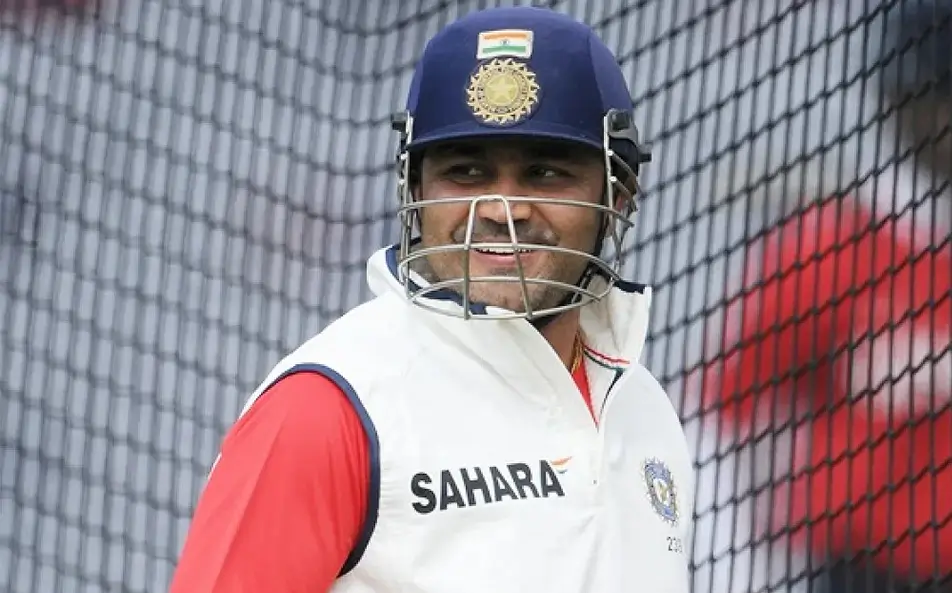
Dhoni’s calm style, which once felt like his biggest strength, began to be seen differently during tougher phases. Team selections, batting orders, and on-field calls were all scrutinised more than before. Even players like Virender Sehwag, who had been key parts of earlier success, became part of these discussions, as people tried to understand what had changed and why things didn’t feel the same anymore.
For a long time, Dhoni stayed the same. He didn’t react much, didn’t explain decisions openly, and continued with his usual approach. That silence, which once added to his image, started to be interpreted differently. Fans, especially in a country like India, don’t stay neutral for long. When things go well, support is overwhelming. When things don’t, the shift can be just as strong.
That’s when the tone changed. The same player who had once been seen as untouchable in terms of criticism began to face questions that were sharper and more frequent.
What makes this phase interesting is how quickly success can be reinterpreted. The same ICC trophies that once defined Dhoni’s career didn’t always protect him from criticism later on. It wasn’t that people forgot what he had achieved. It was more that expectations moved faster than memory. What once felt like enough suddenly didn’t feel like it was anymore.
That’s the part that often defines sports careers not just what you achieve, but how long those achievements continue to shape perception.
The transition from being celebrated to being questioned didn’t happen in one moment. It was gradual, almost unnoticed at first. There wasn’t a single match or decision that caused it. Instead, it was a series of smaller moments that added up over time. A loss here, a questionable call there, a performance that didn’t meet expectations - all of it combined.
By the time people fully realised it, the conversation around Dhoni had already changed.
At The United Indian, this story feels less about judging Dhoni and more about understanding how quickly perception can shift in a place like India.
The India World Cup win is still one of the most emotional moments in cricket history here. But what followed shows something else that success doesn’t freeze time. It only raises expectations for what comes next. With MS Dhoni, the journey wasn’t about a fall. It was about how the space between past success and present expectation kept getting wider. And sometimes, that space is where the toughest conversations begin.
Everything you need to know
Because it wasn’t just about cricket. For many people, it felt like a long wait finally ending. The joy of that night still feels personal, which is why it keeps coming back in conversations even after so many years.
There wasn’t a clear turning point. It happened slowly, over time. As performances became inconsistent and expectations stayed high, the tone around him started shifting without anyone really noticing at first.
In a way, yes. That win raised the bar so high that anything less started to feel disappointing, even when the team was still doing reasonably well.
Because people remember him in different ways. Some see the calm leader who delivered big wins, while others focus more on the later phase of his career. Both views come from different experiences of watching him.
Very much. Athletes often go through phases where they are celebrated, then questioned. It’s part of how expectations and time shape the way people look at success.
Oct 03, 2026
TUI Staff
Oct 03, 2026
TUI Staff
Oct 01, 2026
TUI Staff
Oct 01, 2026
TUI Staff
Oct 03, 2026
TUI Staff
Oct 03, 2026
TUI Staff
Oct 03, 2026
TUI Staff
Oct 03, 2026
TUI Staff

Stay informed with independent, fact-checked journalism on technology, environment, government, economy and more. India’s most trusted digital news platform.






Comments (0)
Be the first to comment!