
Delhi Dry Days 2026: Liquor Shops to Remain Closed on Diwali and Guru Nanak Jayanti
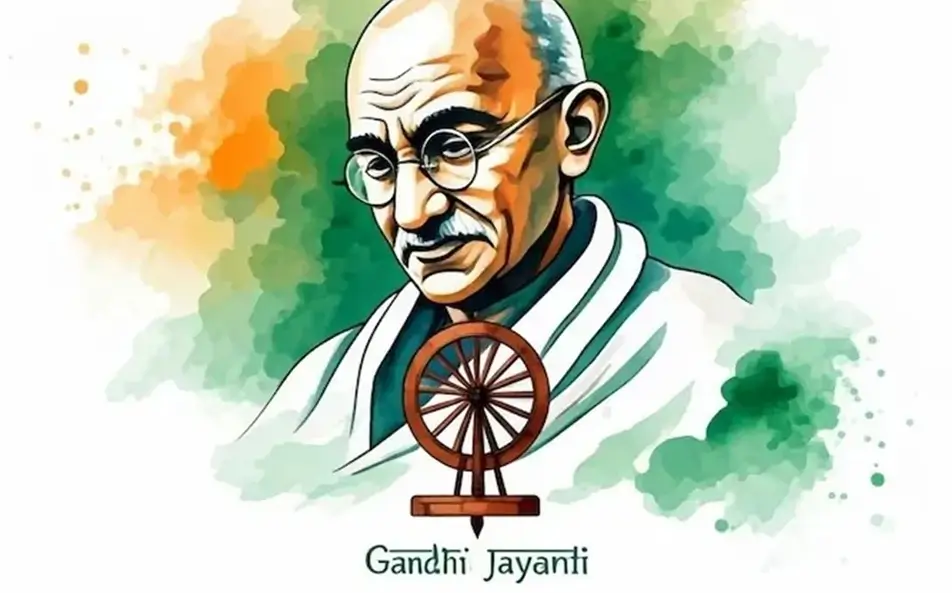
After Gandhi Jayanti, Delhi has two more notified dry days coming in November.
 IN
Sat, Oct 03, 2026 | 03:14 PM IST
IN
Sat, Oct 03, 2026 | 03:14 PM IST


Delhi has announced three alcohol-sale restriction dates for the October-November festive period, with the first already observed on October 2 and two more coming in November.
Under an order issued by the Delhi Excise Department on September 24, Delhi liquor sales are prohibited at specified licensed establishments on Gandhi Jayanti, November 8 for Diwali, and November 24 for Guru Nanak birth anniversary. The order was issued by Excise Commissioner Sunny K Singh under Rule 52 of the Delhi Excise Rules, 2010.
The latest Delhi dry days notification covers liquor vends and several categories of licensed premises. However, the rules include a limited exemption for hotels holding L-15 or L-15F licences to serve liquor to resident guests in their rooms.
The Excise Department has identified three dates during this period on which the specified restrictions will apply.
| Date | Occasion | Status |
|---|---|---|
| October 2, 2026 | Gandhi Jayanti | Already observed |
| November 8, 2026 | Diwali | Upcoming |
| November 24, 2026 | Guru Nanak birth anniversary | Upcoming |
The October 2 restriction has already passed. Delhi residents therefore need to note the two remaining dates in November.
On both November 8 and November 24, establishments covered by the excise order must comply with the applicable restrictions on sale and service of alcohol.
The September 24 order was issued under Rule 52 of the Delhi Excise Rules, 2010. It covers a broad range of licences, including wholesale and retail licences as well as several categories associated with hotels, restaurants, bars, clubs and other establishments. The categories cited in the notification include L-1 and L-1F wholesale licences; L-2 licences; L-3, L-4 and L-5 hotel, restaurant and bar categories; public-sector retail licences such as L-6; and several other specialised liquor licences.
Licensees covered by the order are required to keep their licensed premises closed as applicable and prominently display the excise order. They are also not entitled to compensation for losses resulting from the closure restrictions. For consumers, the practical effect is that normal Delhi liquor sales through covered retail outlets will stop on the notified dates.
This question requires more nuance than simply saying every establishment selling alcohol must shut. Delhi Excise Department guidance explains that the effect of a restricted day depends partly on the category of licence involved. Its general guidance says retail liquor vends remain closed when such restrictions apply, while rules for liquor service at licensed hotels, clubs, bars and restaurants can differ according to the occasion and licence.
The September 24 notification itself includes several hotel, restaurant and bar licence categories among those covered by the current order. People planning to visit a particular hotel, club or restaurant should therefore not assume normal alcohol service will be available merely because the establishment itself remains open. A restaurant, for example, may continue serving food even when it cannot sell alcohol under the applicable excise restriction.
There is one specific exemption highlighted in the notification. The restriction does not prevent hotels holding L-15 and L-15F licences from serving alcohol to residents staying in their rooms. Delhi Excise Department guidance also states that room service to hotel residents may continue under the relevant licence even during certain restricted periods. This does not mean hotel bars are automatically exempt. The provision specifically concerns liquor supplied to resident guests in accordance with the applicable room-service licence.
October 2 is one of Delhi's established national-holiday alcohol restriction dates. The Excise Department's public guidance identifies Republic Day, Independence Day and Gandhi Jayanti as the three national holidays traditionally subject to the strongest restrictions. For 2026, the October 2 restriction was reinforced through the September 24 order. The date has now passed, but it remains part of the three-date notification covering the current festive period.
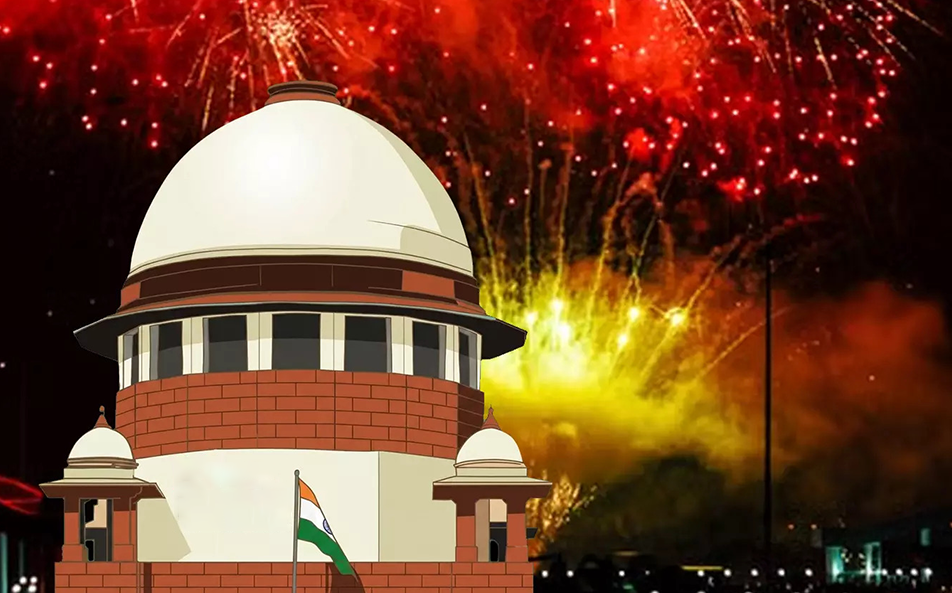
The next date consumers and businesses need to note is Diwali, which falls on November 8 in the 2026 Delhi calendar. Covered liquor shops and other licensed establishments must follow the restrictions specified in the Excise Department's order on that date. The restriction is particularly relevant because alcohol demand often rises during the festive season. Recent Delhi sales data obtained through an RTI application showed that festive periods can produce significant increases in liquor purchases in the capital.
Consumers planning purchases for the festival will therefore need to account for the November 8 closure rather than expecting normal retail availability on the day itself.
The third date covered by the current notification is November 24, marking Guru Nanak birth anniversary. Liquor outlets and other covered licensees must observe the restrictions specified by the Excise Department that day. The occasion is already included among the religious and significant days identified in Delhi Excise Department guidance for alcohol-sale restrictions.
After Guru Nanak birth anniversary, further restricted dates may be announced separately depending on the government's excise calendar. The September 24 notification cited in the current reporting specifically covers the three dates in October and November.
A restricted day is not simply a direction to close the front doors of physical liquor stores. Delhi Excise guidance describes the restriction in terms of suspension of the sale and supply of liquor by covered licensees. Wholesale supply and retail vending are therefore affected where the relevant licences fall under the notification.
Consumers should not interpret delivery platforms or other ordering mechanisms as a way around an excise restriction. Any legal sale remains subject to Delhi's licensing rules and the conditions imposed on the licence holder. Private possession of legally purchased alcohol is a different matter. Delhi Excise guidance states that there is no general prohibition on an individual serving authorised liquor at a private residence, provided possession remains within legally permissible limits.
No. The three dates in the September 24 order should not be interpreted as the only such dates across the entire excise year. Delhi's Excise Department issues orders covering different periods, and its official document portal shows that separate orders were also published earlier in 2026. For example, dry-day orders were issued on April 24 and May 26. The department's broader guidance also lists national, religious and commemorative occasions that may attract restrictions during an excise year. The current Delhi dry days order should therefore be understood as the applicable notification for the three specified dates rather than a complete annual calendar.
The restrictions arrive as Delhi prepares for broader changes to its excise framework. The Indian Express reported in late September that the government was preparing a new liquor policy that could involve revised excise duty and retail margins, potentially affecting prices during the festive season.
That policy process is separate from the September 24 closure order. Unless the Excise Department issues a subsequent notification amending or cancelling the dates, businesses and consumers should continue to follow the existing schedule. That means Diwali on November 8 and the Guru Nanak birth anniversary on November 24 remain the two upcoming dates to watch.
For anyone planning purchases or events, the position is straightforward: the first of the three Delhi dry days was observed on October 2, while the remaining restrictions fall on November 8 and November 24. Checking the licence category of a hotel, restaurant or other establishment is important because the precise rules on alcohol service can vary, particularly for hotel room service.
Everything you need to know
The two upcoming dates under the current notification are November 8 for Diwali and November 24 for Guru Nanak’s birth anniversary. October 2 for Gandhi Jayanti has already passed.
Yes. November 8, 2026, has been notified as a dry day for specified liquor licence categories in Delhi.
Yes. Delhi will observe a dry day on November 24, 2026, for Guru Nanak’s birth anniversary under the September 24 Excise Department order.
The order covers several hotel, restaurant, bar, retail and wholesale licence categories, so alcohol service can be restricted even if the establishment itself remains open for other purposes.
There is a limited exception allowing eligible hotel licence holders to serve liquor to resident guests in their rooms under the applicable licence conditions.


Oct 01, 2026
TUI Staff
Oct 01, 2026
TUI Staff
Oct 01, 2026
TUI Staff
Oct 01, 2026
TUI Staff
Oct 01, 2026
TUI Staff
Oct 01, 2026
TUI Staff
Oct 01, 2026
TUI Staff

Stay informed with independent, fact-checked journalism on technology, environment, government, economy and more. India’s most trusted digital news platform.
Comments (0)
Be the first to comment!