
Mahatma Gandhi Jayanti 2026 : From Bapu’s Birth to Swachh Bharat, Why October 2 Still Matters
From Bapu’s Birth To The Ideas That Shaped India
 IN
Thu, Oct 01, 2026 | 08:19 PM IST
IN
Thu, Oct 01, 2026 | 08:19 PM IST


What if a single date could tell the story of an entire nation?
Every October 2, India remembers Bapu. But what if this familiar date is about more than a portrait, a prayer meeting or a school speech?
In 2026, the day brings together Gandhi’s 157th birth anniversary, the UN’s International Day of Non-Violence and India’s continuing focus on cleanliness and public participation.
Mahatma Gandhi Jayanti falls on Friday, October 2, 2026, marking Gandhi’s 157th birth anniversary. The Ministry of Culture records that Gandhi was born on October 2, 1869, in Porbandar, Gujarat.
In India, the day commemorates Gandhi’s life and contribution to the freedom movement. It is also observed globally as the International Day of Non-Violence, after the United Nations established the observance in 2007.
After studying law in London, Gandhi worked in South Africa. His experiences with racial discrimination influenced his approach to resistance. He returned to India in 1915 and became a major figure in the freedom movement.
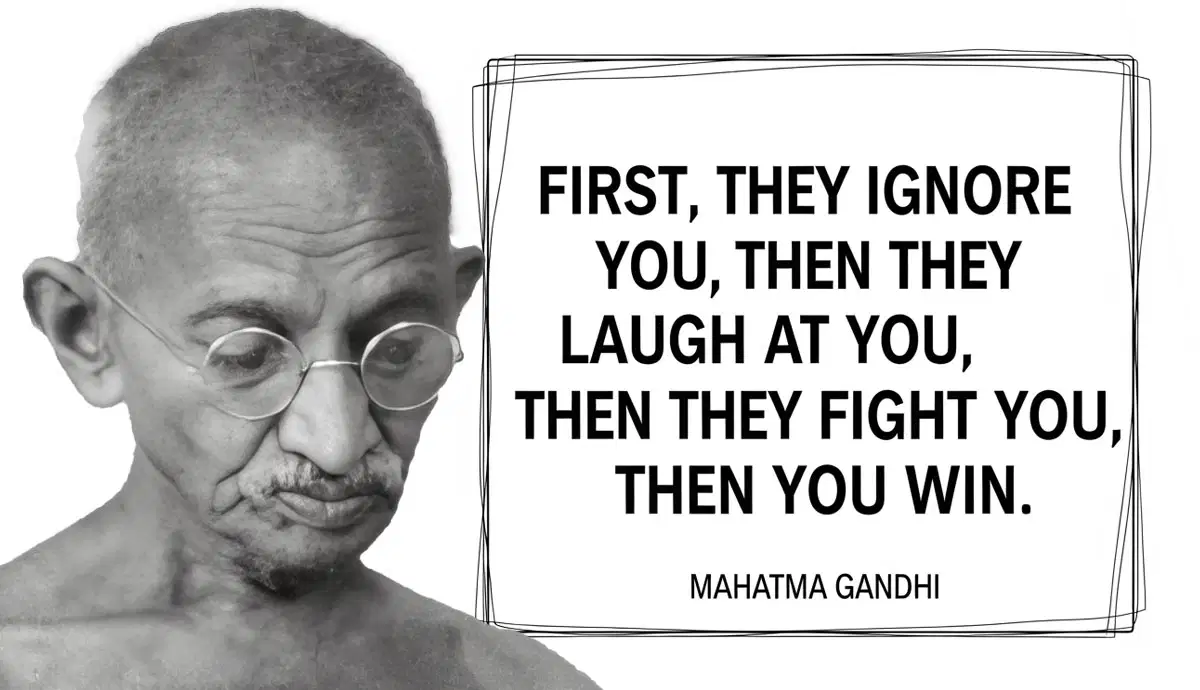
Instead of answering injustice with violence, he developed Satyagraha - resistance rooted in truth and non-violence.
The 1930 Salt March became a clear example. Gandhi and his followers walked from Sabarmati Ashram to Dandi to challenge British salt laws.
For a wider look at the freedom struggle, read The United Indian’s Independence Day coverage, which traces the journey that led India to 1947.
It is easy to remember Gandhi through four familiar words: Satya, Ahimsa, Satyagraha and Swaraj.
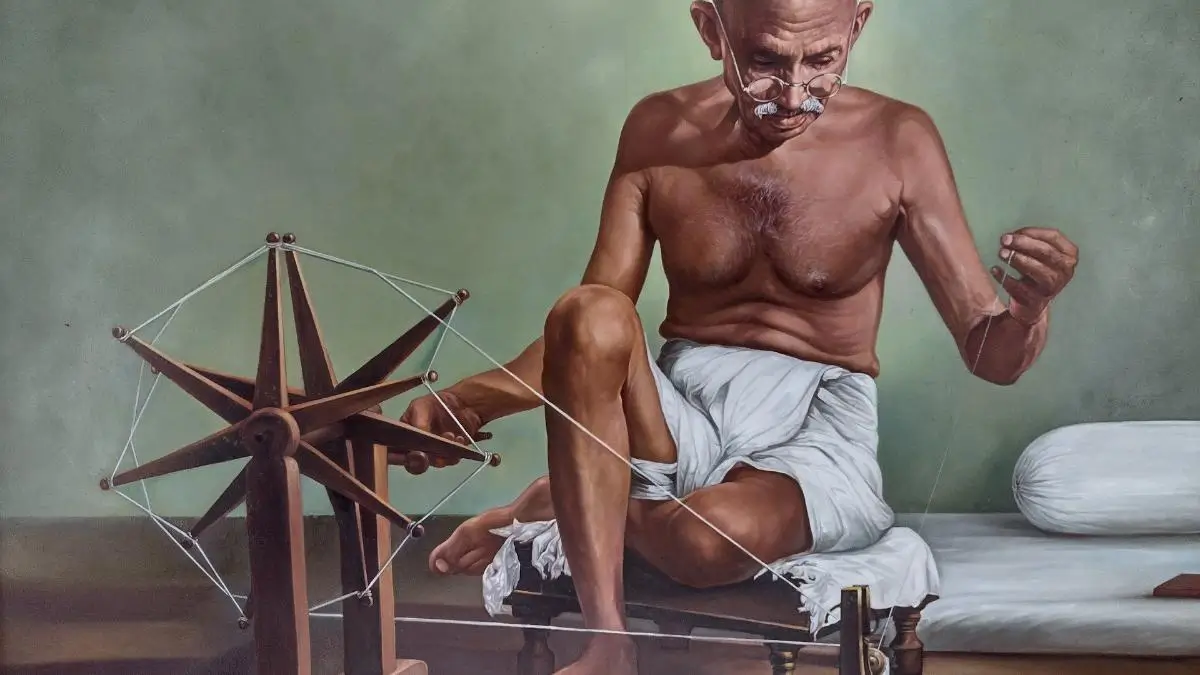
Satya means truth. Ahimsa means non-violence. Satyagraha refers to resisting injustice through truth and non-violent action. Swaraj means self-rule, while Swadeshi encouraged self-reliance and Indian-made goods.
The United Nations describes Gandhi as a pioneer of non-violence and notes the influence of his philosophy on movements for civil rights and social change.
That global legacy is one reason 2 October Gandhi Jayanti carries meaning beyond a national holiday.
In 2007, the United Nations General Assembly adopted Resolution A/RES/61/271 and established October 2 as the International Day of Non-Violence.
The UN says the observance promotes awareness of non-violence through education and public awareness, while highlighting peace, tolerance and understanding.
The UN’s 2026 message again points to Gandhi’s example of dialogue and non-violence as tools for addressing injustice and creating lasting change.
So 2 October Gandhi Jayanti is not only an Indian remembrance day. It is part of a wider global conversation about how societies respond to conflict.
There is another side to October 2 that feels very contemporary: cleanliness.
Gandhi repeatedly spoke about sanitation and cleanliness. On October 2, 2014, the Government of India launched the Swachh Bharat Mission, deliberately linking the campaign with Gandhi’s birth anniversary.
The distinction matters: Gandhi did not create the modern Swachh Bharat Mission. It is a modern government programme connected with ideas associated with his emphasis on cleanliness.
Img Src : TheCollector
The 2026 “Swachhata Hi Seva campaign” carries the theme “Swachhata Mein Sahbhag; Swachh Bharat, Viksit Bharat”, putting citizen participation at the centre.
Its five pillars include:
On October 2, Special Gram Sabhas are planned in rural areas and Special Council Meetings in urban areas. Plantation activities under “Ek Ped Maa Ke Naam” and public Swachhata Pledges are also part of the announced programme.
That gives the day a practical dimension: remembrance is paired with participation.
The message is simple: cleanliness cannot remain somebody else’s job.
Prayer meetings, memorial services, cultural programmes and educational activities have long been part of the observance. Rajghat in New Delhi remains one of the key places associated with Gandhi Jayanti.
Gandhi Smriti in Delhi, Sabarmati Ashram in Ahmedabad and Mani Bhavan in Mumbai offer deeper glimpses into his life.
The official Incredible India listing identifies Rajghat as a key venue for the 2026 observance.
This may be the question Mahatma Gandhi Jayanti leaves us with.
Ahimsa can make us think about how we handle disagreement. Swadeshi can prompt questions about self-reliance and what we choose to buy. Seva can translate into volunteering and community service. Even cleanliness becomes more meaningful when it shifts from “someone should do this” to “we all have a role”.
The 2026 campaign’s focus on young people and public participation makes that connection especially timely.
That wider idea of civic responsibility also connects with The United Indian’s recent explainer on the Mahatma Gandhi National Rural Employment Guarantee Act, which looks at rural participation through a different lens.
Img Src : India Today
Gandhi is widely called the “Father of the Nation”. But there is an important factual distinction.
The Gandhi Smriti and Darshan Samiti says there is no official Government of India record or notification conferring that title on him. Its FAQ notes that available information indicates Subhas Chandra Bose addressed Gandhi as “Father of the Nation” in a 1944 broadcast.
It is a small detail, but it shows why history deserves more nuance.
Mahatma Gandhi Jayanti is about more than remembering a historical figure.
It connects a birth in Porbandar in 1869 with the freedom movement, a philosophy of non-violence with a global UN observance, and Gandhi’s association with cleanliness with the modern Swachh Bharat campaign.
In 2026, the message is especially grounded in participation.
Truth can begin with how we speak. Non-violence can begin with how we disagree. Service can begin with what we do for the people and places around us.
And perhaps that is why 2 October Gandhi Jayanti still matters - not because history asks us to simply remember Bapu, but because it gives us a reason to ask what his ideas look like in our own lives.
Everything you need to know
Mahatma Gandhi Jayanti 2026 will be observed on Friday, October 2, 2026, marking Mahatma Gandhi’s 157th birth anniversary.
October 2 marks the birth anniversary of Mahatma Gandhi, who was born on October 2, 1869, in Porbandar, Gujarat.
Mahatma Gandhi Jayanti commemorates Gandhi’s life and his role in India’s freedom movement, while also highlighting principles such as truth, Ahimsa and nonviolence.
The United Nations observes October 2 as the International Day of Non-Violence, recognising Gandhi’s influence on the philosophy and practice of nonviolent resistance.
The day is traditionally marked by prayer meetings, memorial tributes, cultural and educational programmes, cleanliness activities and community initiatives across India.

Oct 01, 2026
TUI Staff
Oct 01, 2026
TUI Staff
Oct 01, 2026
TUI Staff
Sep 29, 2026
TUI Staff
Oct 01, 2026
TUI Staff
Oct 01, 2026
TUI Staff
Oct 01, 2026
TUI Staff
Sep 29, 2026
TUI Staff

Stay informed with independent, fact-checked journalism on technology, environment, government, economy and more. India’s most trusted digital news platform.

Comments (0)
Be the first to comment!