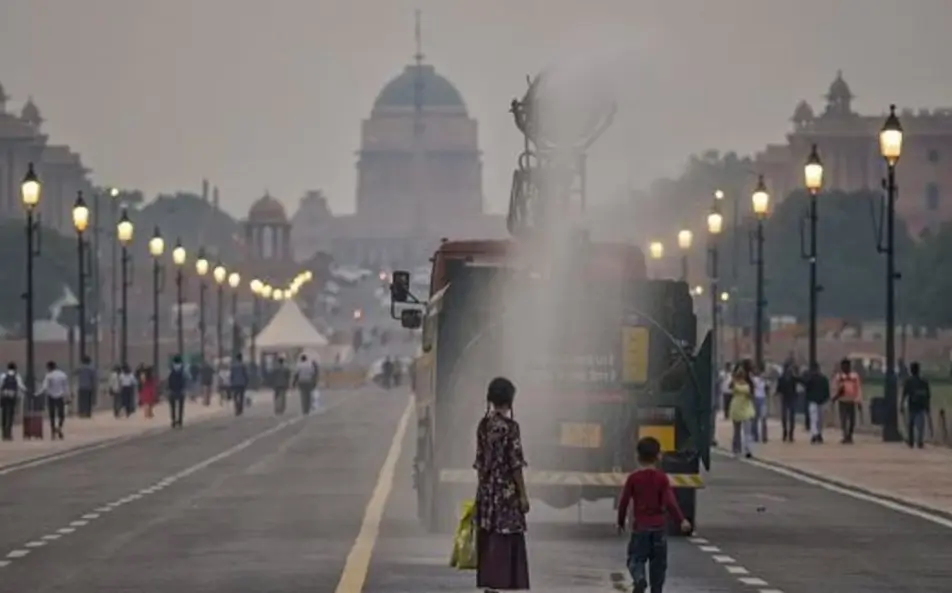
When pollutants such as smoke, dust, and toxic gases mix with the atmosphere, they make the air unsafe to breathe. It is a major environmental challenge in many parts of the world, particularly in densely populated cities where traffic, industrial activity, construction, and other sources contribute to poor air quality. Several factors are responsible for air pollution. Vehicle emissions, factory smoke, burning of fossil fuels, construction dust, agricultural residue burning, and waste disposal can release pollutants into the atmosphere. Natural events such as forest fires and dust storms can also affect air quality. Common pollutants include particulate matter (PM2.5 and PM10), nitrogen dioxide, sulphur dioxide, carbon monoxide, and ground-level ozone. Breathing polluted air can have negative effects on health, especially on the lungs, heart, and circulatory system. It may contribute to breathing difficulties and increase the risk of certain long-term health conditions. Children, older adults, and people with existing health problems can be especially vulnerable. Air pollution also affects the environment by contributing to climate change, damaging vegetation, reducing visibility, and disrupting ecosystems. Addressing this challenge requires cooperation between governments, industries, communities, and individuals. Measures such as using public transport, adopting cleaner energy sources, controlling industrial emissions, improving waste management, and protecting green spaces can help reduce pollution. Greater public awareness and consistent environmental action are essential for creating cleaner and healthier surroundings.
Oct 30, 2025
Aug 19, 2025
Nov 12, 2024
Oct 05, 2023
May 05, 2023