Middle East Crisis 2026: US-Israel War on Iran Reshapes the Region as Humanitarian Emergency Deepens
Day 17 of the US-Israel military campaign against Iran marks the most significant escalation in the Middle East since 2003, with a humanitarian crisis spanning over a dozen countries and global economic consequences.
Day 17 of the US-Israel military campaign against Iran marks the most significant escalation in the Middle East since 2003, with a humanitarian crisis spanning over a dozen countries and global economic consequences.
Last updated: March 16, 2026 | By The United Indian Editorial Team
The Middle East has entered its most volatile phase in over two decades. As the US-Israel military campaign against Iran reaches its 17th day, the ripple effects are being felt not only across the region but throughout the global economy. The conflict, which began with a joint US-Israeli strike on February 28, has expanded to involve over a dozen countries and has triggered a severe humanitarian emergency that international agencies are struggling to contain.
How the Conflict Began
On February 28, 2026, a coordinated US-Israeli military operation targeted sites across Iran in what officials described as a preemptive action against Tehran's nuclear capabilities. The strikes resulted in significant destruction of military installations, government facilities, and, according to multiple international observers, civilian infrastructure including hospitals and schools. Iranian Supreme Leader Ali Khamenei was killed in the operation, along with several other senior officials, according to reports from multiple international news agencies including Al Jazeera and CNN.
Iran responded within hours by launching hundreds of drones and ballistic missiles at targets in Israel and at US military bases across the region, including facilities in Bahrain, Jordan, Kuwait, Qatar, Saudi Arabia, Turkey, and the United Arab Emirates. This retaliatory wave marked the widest single military engagement in the Middle East since the 2003 invasion of Iraq.
Enjoying this story? Get TUI's free newsletter: the news that matters, straight to your inbox. No spam, unsubscribe anytime. Subscribe free →
Map of the Middle East region — the 2026 conflict has expanded across multiple countries. (Image: Wikimedia Commons, Public Domain)
Day 17: Strikes on Tehran Intensify
As of March 16, the situation continues to escalate. Thick plumes of black smoke were reported rising over Tehran early Monday morning as Iranian state media confirmed large explosions in the capital. The Israeli military stated it had launched a fresh wave of strikes targeting what it described as strategic infrastructure in the city. The Iranian government has characterized these strikes as attacks on civilian areas.
According to the United Nations, the death toll across the region has surpassed 2,300 people, with thousands more injured and millions displaced. The World Health Organization issued a statement on March 11 warning that the conflict is deepening an already severe health crisis in the Middle East, with hospitals overwhelmed, medical supply chains disrupted, and healthcare workers themselves becoming casualties of the fighting.
Watch: Al Jazeera coverage of the developing situation
The Strait of Hormuz Crisis
Perhaps the most far-reaching consequence of the conflict has been the effective closure of the Strait of Hormuz, the narrow waterway through which approximately 20% of the world's oil supply passes daily. Since the onset of hostilities, commercial shipping through the strait has ground to a halt, sending global oil prices soaring to levels not seen since the 1970s energy crisis.
US President Donald Trump has been actively seeking international support to secure the shipping lane and restore oil flows. However, these efforts have met significant resistance from key allies. Japan's Prime Minister announced that Tokyo would not send warships to assist in the operation. Australia similarly declined to participate in any military activity in the area or to send naval vessels to secure the route. In the United Kingdom, Prime Minister Keir Starmer confirmed that London would also not deploy warships for this mission, reflecting a broader reluctance among Western allies to become further entangled in the conflict.
The Strait of Hormuz — a critical chokepoint for global energy supplies, now effectively shut down. (Image: NASA/Wikimedia Commons, Public Domain)
Humanitarian Impact Across the Region
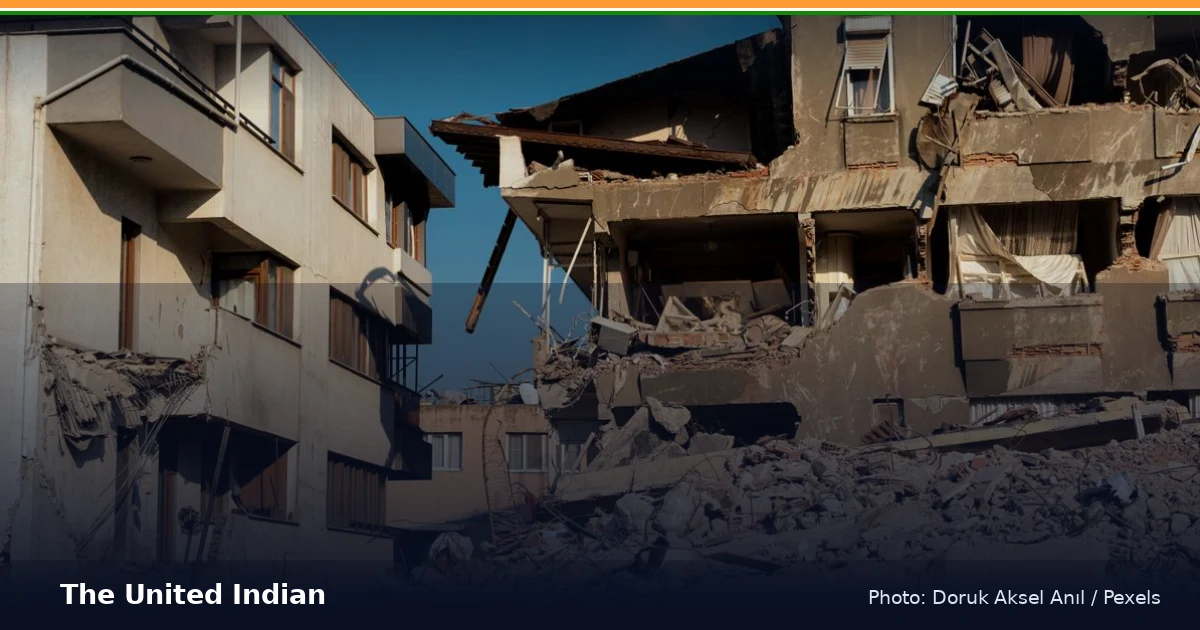
The United Nations has described the humanitarian situation as catastrophic. A March 13 UN report documented mounting civilian displacement and casualties across the region. Relief agencies are struggling to deliver aid to affected populations, particularly in Iran where infrastructure damage has severely hampered access.
The WHO's March 11 statement specifically highlighted the collapse of healthcare systems in conflict zones, noting that attacks on medical facilities constitute violations of international humanitarian law. Multiple hospitals across Iran have been damaged or destroyed, leaving millions without access to basic medical care.
"The scale of civilian suffering in this conflict demands an immediate ceasefire. Every day of continued hostilities deepens the humanitarian catastrophe." — UN Secretary-General's office statement, March 13, 2026
Watch: CNN report on Day 17 developments
Global Economic Consequences
The economic fallout from the conflict extends well beyond the Middle East. With the Strait of Hormuz effectively blocked, energy markets have been thrown into turmoil. Oil prices have surged past record highs, putting immense pressure on consumers and businesses worldwide. Stock markets in Asia, Europe, and the Americas have experienced significant volatility since the start of hostilities.
India, which imports a substantial portion of its crude oil from the Persian Gulf region, faces particular vulnerability. The Indian government has been in discussions with alternative suppliers and is reportedly considering tapping into its strategic petroleum reserves to manage the supply disruption. The Indian rupee has also come under pressure as concerns about the country's energy security mount.
India's Position and Response
India has maintained its traditional stance of advocating for dialogue and de-escalation. The Ministry of External Affairs issued a statement calling for an immediate cessation of hostilities and urging all parties to return to the negotiating table. India has also offered to play a mediating role, given its historically balanced relationships with both Iran and the Western powers involved in the conflict.
The Indian government has been actively working to secure the safety of its diaspora in the Gulf region. Estimates suggest that over 8 million Indian nationals reside in Gulf Cooperation Council countries, many of whom are in areas affected by the conflict. Emergency helplines have been activated, and the Indian Navy has placed vessels on standby for potential evacuation operations.
India has called for an immediate ceasefire and offered to mediate between the parties. (Image: Wikimedia Commons, Public Domain)
International Diplomatic Efforts
The UN Security Council has held multiple emergency sessions since the start of the conflict, though no binding resolution has been passed due to vetoes from permanent members. China and Russia have both condemned the initial US-Israeli strikes, while France and the UK have called for restraint from all sides without explicitly condemning the operation.
The European Union has activated its crisis response mechanism and is coordinating humanitarian aid deliveries to affected areas. Several EU member states have recalled their ambassadors from Iran for safety consultations. The Arab League held an emergency summit in Cairo on March 10, issuing a joint statement demanding an immediate ceasefire and the withdrawal of all foreign military forces from the region.
Social Media Coverage
Social media platforms have been flooded with real-time updates, eyewitness accounts, and commentary on the conflict. Below are some notable posts from journalists and organizations covering the situation:
European leaders reject demands by US President Trump to join military operations to ensure freedom of navigation in the Strait of Hormuz, as Iran's FM Araghchi says the waterway remains open, "but closed to our enemies."
The US-Israel war on Iran has forced families in Tehran to adapt to a new way of life, with businesses closed and savings dwindling as residents hope for peace.
Military analysts and diplomatic observers offer varying assessments of how the conflict might evolve in the coming weeks. Several scenarios are being considered, ranging from a negotiated ceasefire brokered by neutral parties like India or China, to a further escalation that could draw in additional regional actors including Turkey and Pakistan.
The key variables that will determine the conflict's trajectory include the internal political dynamics in Iran following the death of its supreme leader, the willingness of the US and Israel to agree to a ceasefire, the response of Gulf states whose territories have been directly affected by Iranian retaliatory strikes, and the economic pressure created by sustained high oil prices.
What is clear is that the consequences of this conflict will reshape the geopolitical landscape of the Middle East for years, if not decades, to come. The humanitarian toll continues to mount with each passing day, and the urgency for a diplomatic resolution has never been greater.
Disclaimer: This article is based on information available from multiple international news agencies and organizations as of March 16, 2026. The situation is rapidly evolving. The United Indian is committed to providing balanced, factual reporting and will update this article as new developments emerge. All images used are either from public domain sources or used under fair use for news reporting purposes.
The conflict began on February 28, 2026, when the United States and Israel launched coordinated military strikes against Iranian nuclear facilities and military installations. The strikes followed months of escalating tensions over Iran's nuclear program and regional proxy activities.
How has the Strait of Hormuz been affected by the conflict?
The Strait of Hormuz, through which approximately 20% of the world's oil supply passes daily, has been effectively shut down to commercial shipping since the onset of hostilities. This has caused global oil prices to surge to levels not seen since the 1970s energy crisis.
What is the humanitarian impact of the Middle East conflict in 2026?
The United Nations has described the humanitarian situation as catastrophic, with mounting civilian displacement and casualties across the region. Healthcare systems in conflict zones have collapsed, with multiple hospitals forced to cease operations. The WHO has documented attacks on medical facilities as violations of international humanitarian law.
TUI
The United Indian Editorial Team
Independent · Fact-Checked · Est. 2021
Our editorial team covers India’s most important developments across environment, technology, governance, economy and society. Every story is independently researched, fact-checked, and written without advertiser influence.








Comments (0)
Be the first to comment!