
Cockroach Janta Party: How a Joke Page Became Bigger Than BJP on Instagram
Meme Meets Politics
 IN
Tue, Oct 06, 2026 | 08:58 PM IST
IN
Tue, Oct 06, 2026 | 08:58 PM IST

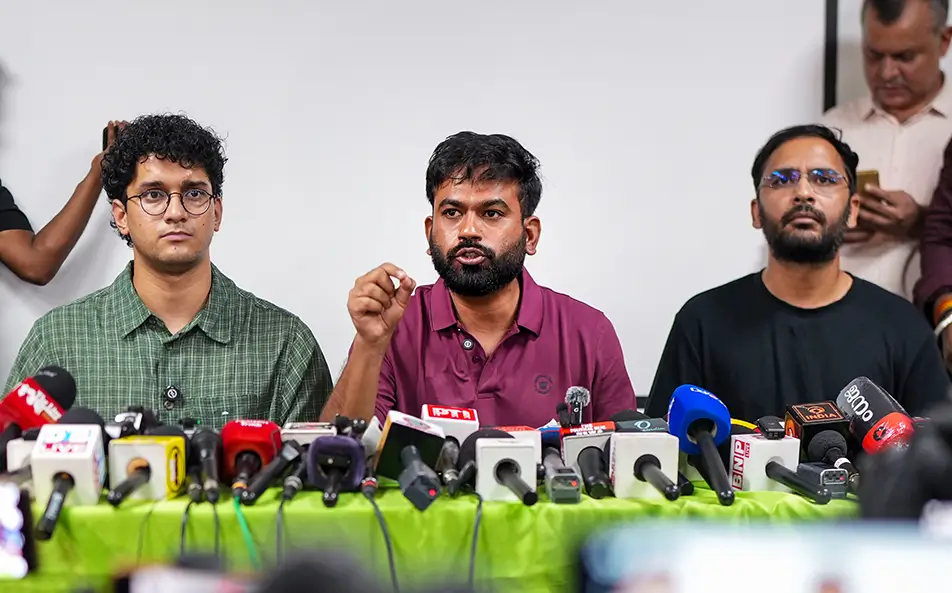
Indian politics has seen big rallies, louder speeches, booth-level machines and carefully planned digital campaigns. But this week, a page called Cockroach Janta Party managed to do something that made everyone stop scrolling. It crossed the 10 million mark on Instagram. The satirical outfit claimed 10.1 million followers, moving ahead of the Bharatiya Janata Party’s official Instagram handle, which was reported at 8.7 million followers. Economic Times also reported the page at around 10.2 million followers. That one number became the whole story: a meme page with a ridiculous name had overtaken India’s most powerful political party on one of the country’s loudest social platforms. Of course, Instagram followers do not win elections. They do not replace workers on the ground. They do not form governments. But they do show attention. And right now, attention is exactly what CJP has captured.
The bizarre name had a specific origin. The trend began after remarks by Chief Justice Surya Kant, who was reportedly quoted as calling some unemployed youths “cockroaches” and “parasites.” In response, young social media users turned the insult into satire and eventually launched a movement. Hindustan Times described the Cockroach Janta Party and the National Parasitic Front as “satirical political parties that emerged from growing dissatisfaction among internet users.” That is where the word “cockroach” came from. It was not random comedy. It became a way for young people to respond to criticism with satire — if they were being viewed that way, they would turn the label back into a form of protest. The party describes itself in a deliberately unserious way. Its tone is built around young people, unemployment jokes, frustration with the system and meme-style political commentary. Some reports said it calls itself the “Voice of Lazy and Unemployed,” while other descriptions framed it as a youth-driven satirical movement.
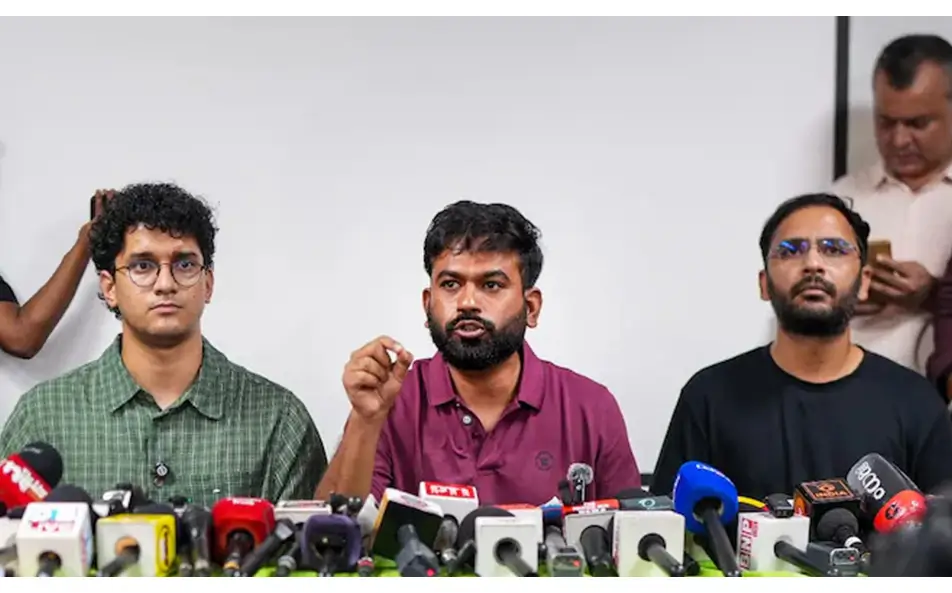
The speed is what shocked people. Hindustan Times reported that the party celebrated its milestone with the line, “It took just 4 days." Don’t underestimate the power of the youth.” Founder Abhijeet Dipke also posted, “World’s largest party, they said,” taking a direct swipe at the BJP's long-used branding. That line was made for social media. The BJP instagram comparison became irresistible because the BJP is known for its powerful digital presence. It has spent years building a disciplined online communication system. Yet, in follower count, a satirical page suddenly crossed it. That does not mean CJP is politically stronger than BJP. It means the internet was in the mood for a joke that felt like a protest. And sometimes, that is enough for a trend to explode.
The funny part of CJP is obvious. The serious part is what makes it matter. Young people are not only laughing at the name. They are laughing because the joke gives shape to a feeling many of them already had. They feel ignored. They feel judged. They feel that systems talk about youth but rarely listen to them properly. This is where CJP BJP comparisons become more than follower-count drama. One side represents India’s strongest real-world political machine. The other represents a fast-moving digital mood. They are not equal in power, but they are competing for attention. CJP’s posts use exaggerated slogans, absurd political language and meme humor. That is exactly why it travels quickly. A normal political statement may get ignored. A funny, angry reel can move across thousands of phones in minutes. This is the new language of online politics.
This is the biggest question around CJP news right now. A viral page can rise fast and disappear just as fast. India has seen many internet storms that looked huge for a few days and then vanished. So it is still too early to say whether CJP becomes a real youth movement or remains a sharp social media joke. There are also questions around its founder and political links. It id reported that Abhijeet Dipke has been linked to the Aam Aadmi Party. That has led critics to ask whether the movement is fully organic or partly shaped by political strategy. That question matters.
If people feel the page is only satire, it may retain its rebellious charm. If they feel it is being used by one political side, some of that raw energy may weaken. Why Politicians Are Watching: When politicians begin responding to a meme, it stops being just a meme. Opposition leaders such as Mahua Moitra and Kirti Azad reportedly engaged with the trend online, according to Hindustan Times. Akhilesh Yadav also joined the conversation with the phrase “BJP banam CJP.” It shows how quickly internet humour can spill into mainstream politics. Some opposition voices appear to see the trend as a way to challenge BJP’s digital dominance. Supporters view it as an expression of youth frustration and energy. Critics dismiss it as politics driven by online theatrics. All three perspectives can exist at the same time. That complexity is what makes CJP interesting. It is funny, but not meaningless. It is satire, but not empty satire. It lives on the internet yet touches very real political concerns.
The rise of the Cockroach Janta Party says something about Indian politics in 2026. Young people are not only watching speeches or party campaigns. They are building their own language of protest. Sometimes that language looks serious. Sometimes it looks absurd. Sometimes it looks like a cockroach meme. But underneath the joke is a real question: are young people feeling heard? If the answer was yes, a satire page may not have grown this fast.
For CJP to become more than an internet phenomenon, it would require consistency, purpose, and public trust. Even if it fades away, it has already demonstrated something powerful: when people become frustrated, they increasingly express themselves in a digital language, and when that language gains momentum, even the biggest political systems pay attention. For now, a cockroach-themed movement has challenged expectations. It found a place in India's political conversation—and refused to be ignored.
At The United Indian, we look beyond viral numbers. CJP’s rise is not just about Instagram followers; it is about youth frustration, satire and the changing language of political expression.
Social media does not replace ground politics, but it can reveal public mood faster than traditional campaigns. The CJP trend shows how quickly humour can become a political signal.
Follow The United Indian for grounded stories on politics, youth
Everything you need to know
Cockroach Janta Party is a satirical online political page that turned a controversial “cockroach” remark into a meme-style youth protest. It is not a traditional political party in the usual sense
Because it crossed the 10 million follower mark very quickly and reportedly moved ahead of BJP’s official Instagram handle. That made people take the meme page seriously as a digital trend.
Only on Instagram, follower count, not in real politics. The BJP is still a major national party with ground workers, elections and organisation. CJP is mainly a viral social media movement right now.
Because the page uses humour to talk about unemployment, frustration, exams, youth anger and the feeling of not being heard. The joke feels funny, but the emotion behind it is real.
It can only become bigger if it builds consistency, purpose and trust beyond memes. Viral attention is powerful, but real political influence needs much more than followers.


Oct 06, 2026
TUI Staff
Oct 05, 2026
TUI Staff
Oct 05, 2026
TUI Staff
Oct 06, 2026
TUI Staff
Oct 05, 2026
TUI Staff
Oct 05, 2026
TUI Staff

Stay informed with independent, fact-checked journalism on technology, environment, government, economy and more. India’s most trusted digital news platform.





Comments (0)
Be the first to comment!